
Taylor Swift now occupies a position of command in pop culture that has moved beyond comparison. What she has built no longer asks for easy parallels: it’s a singular path, and it deserves to be acknowledged as such. Her focus, her direct communication with fans, and the way she releases albums with minimal gaps between them, even while sustaining a tour that lasted more than a year, all help explain why her presence feels almost omnipresent, yet carefully controlled.
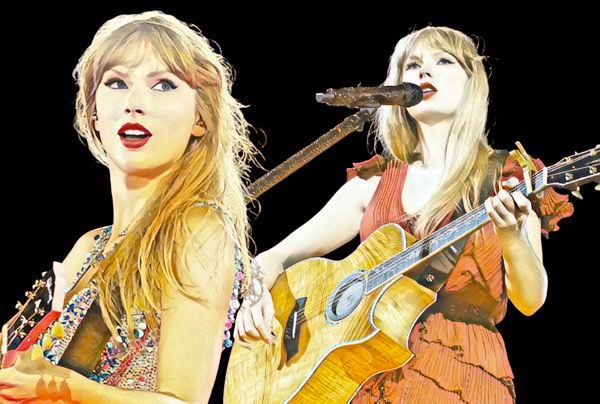
The sheer scale of the Eras Tour is genuinely staggering. Taylor is, as she jokingly puts it, “a conglomerate.” And Taylor Swift: The End of an Era exists to make that machinery visible: to show just how intelligent, attuned, strategic, and creative she is as an artist. The series documents everything from the earliest steps, but makes a key narrative choice by widening the lens to include other characters — her team, collaborators, family, friends — which prevents further overexposure of her private life. Even so, Taylor appears completely at ease, sharing phone calls, home videos, and moments with loved ones and her fiancé. The result offers a clear sense of the reach of the Taylor Swift brand, on and off stage.
At several points, it recalls how Madonna pioneered this kind of self-documentation, understanding early on that recording the process is also a way of shaping legacy. But there’s a notable difference here: across six episodes, not all of them centered on Taylor every minute, the story gains heart and emotional depth. The partial absence of its protagonist paradoxically makes the portrait more human.
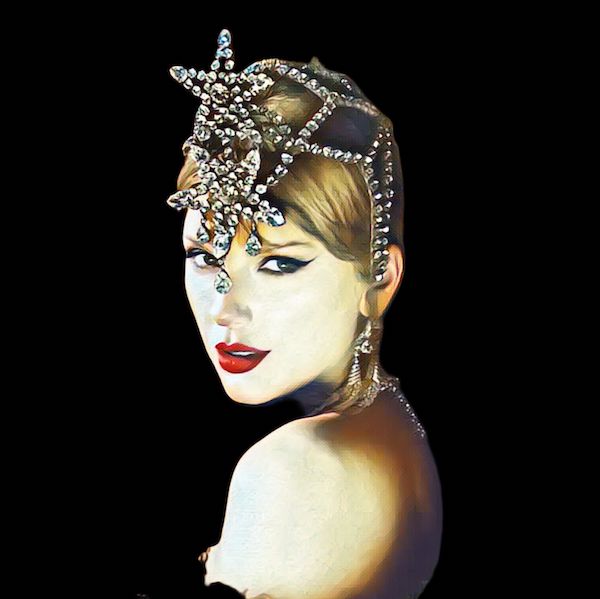
The final two episodes, arriving on December 23, are likely to intensify that conversation even further. One of them covers the Brazilian leg of the tour — marked by a tragic incident in which a fan died due to extreme heat during the concert. It’s a heavy, sensitive moment, and one that will undoubtedly be closely scrutinized. There’s little doubt these final chapters will be thoroughly dissected by Swifties, frame by frame, word by word — silences included.
I appreciate Taylor Swift as an artist, but I’m not exactly the series’ target audience — and perhaps that’s precisely why the conclusion feels unavoidable: it’s impossible not to acknowledge her stature. Today, Taylor holds a crown once worn by Michael Jackson in terms of cultural impact and fan loyalty. The scale is comparable, the devotion undeniable. And regardless of personal taste, that is something truly remarkable to witness.
Descubra mais sobre
Assine para receber nossas notícias mais recentes por e-mail.
 miscelana.com