
The court hearing scheduled for January 7, 2026, in the case of Nick Reiner should not be read as a narrative turning point, but as the formal opening of a legal process that is already complex, sensitive, and strategically fraught. Everything known so far — and, crucially, everything that remains unknown — points toward a long road ahead.
This date marks the arraignment, the procedural stage in the U.S. legal system when charges are formally read, the defendant may enter a plea, and the case officially moves forward in court. It is typically a brief, technical hearing, and in practical terms, one that offers very little in the way of revelations. There are no witnesses, no evidence presented, no reconstruction of events.
What makes this case exceptional is not what will happen on January 7, but what comes after — and why.
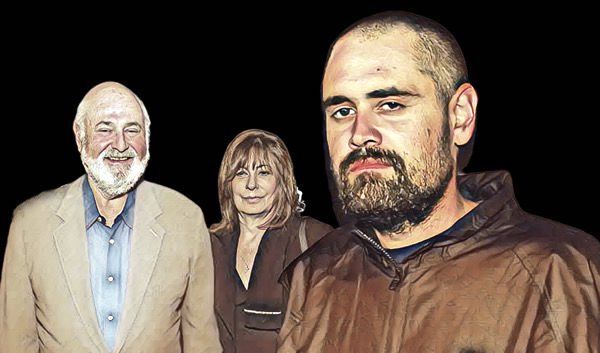
According to the Los Angeles Times, the real center of the legal fight is already clear: Nick Reiner’s mental state at the time of the killings. Prosecutors allege that he fatally stabbed his parents in the primary bedroom of their Brentwood home and fled shortly afterward. Yet, so far, no motive has been publicly articulated. The charges exist; the narrative does not.
At the same time, sources close to the investigation confirm that Nick struggled for years with substance addiction, had been prescribed medication for schizophrenia, and was under some level of mental health care before the killings. A full psychiatric evaluation, experts say, will likely take months, and its findings could significantly influence how both sides proceed — including whether prosecutors pursue the most severe penalties available.
This context helps explain why Nick appeared in court wearing a suicide prevention smock, a measure reserved for defendants deemed at risk of self-harm, and why his defense requested a delay of the arraignment until January. To date, he has not entered a plea, and the public has yet to hear his account of what happened.
There is also an unavoidable political dimension. Los Angeles County District Attorney Nathan Hochman has already charged the case with special-circumstance allegations, opening the door to life imprisonment without parole — and, in theory, even the death penalty. While California remains under a gubernatorial moratorium on executions, legal analysts note that walking back such charges carries political risk. Once the stakes are raised, retreat becomes difficult.
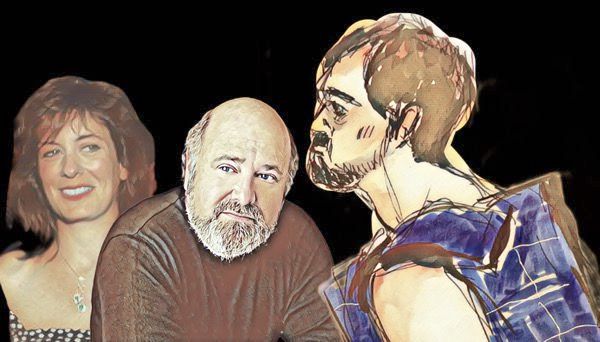
As a result, experts consulted by the Times believe a lenient plea deal is unlikely. The minimum punishment prosecutors would consider acceptable is life without parole, which dramatically reduces incentives for a swift resolution and pushes the case toward a full trial.
Another potentially decisive element is a reported argument between Nick and his father at a Christmas party just hours before the killings. While prosecutors have not publicly confirmed the incident, attorneys note that it could be used in two opposing ways: as evidence of premeditation, or as a tool to undermine a potential insanity defense. The logic is blunt: if the defendant was capable of engaging in a heated argument shortly before, the prosecution may argue that he understood his actions.
This is where the process is likely to slow considerably. In California, an insanity defense is particularly difficult to prove. The burden rests on the defense to show that the defendant could not distinguish right from wrong at the time of the crime — a very high bar that requires extensive expert testimony, conflicting psychiatric reports, and prolonged procedural disputes. Jurors are often deeply skeptical of such claims, fully aware that a successful insanity verdict removes criminal responsibility.

Meanwhile, critical gaps remain. Nick’s movements after the killings have not been fully clarified; authorities know he went to a hotel in Santa Monica before being arrested near USC, but details remain scarce. Prosecutors have released very little forensic or technical evidence to the public so far.
All of this explains why no trial date has been set, and why it is entirely plausible that the case could take years to reach that stage. Comparisons to other prolonged, high-profile homicide cases are not exaggerated: when multiple killings intersect with mental health disputes and maximum-penalty exposure, the legal process rarely moves quickly.
January 7, then, will not deliver answers or emotional closure. It merely marks the formal beginning of a case that promises to be slow, technical, and deeply unsettling — for the courts, for the public, and for a family already living through an irreparable tragedy.
Descubra mais sobre
Assine para receber nossas notícias mais recentes por e-mail.
 miscelana.com