
Entering 2026, chances are you have already been struck by a video of people dancing a short, syncopated step, light and conversational, almost as if the body itself were speaking. It is everywhere across social media, and the song is “You Rock My World” by Michael Jackson. So much so that it is now known as the “You Rock My World “ walk. How did the King of Pop return through the language of digital youth culture? Context matters.
When Michael Jackson released “You Rock My World” in August 2001, he was at a very specific and often misunderstood moment in his career. The song did not emerge as a comeback attempt, nor as a nostalgic gesture. It was conceived as the introduction to a new phase, even as it deliberately carried the DNA of classic Michael.
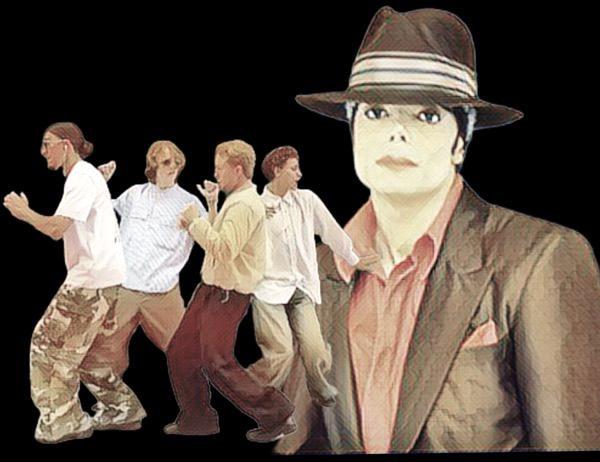
“You Rock My World” was the lead single from Invincible, Michael’s tenth and final studio album, released during his lifetime. The album arrived after a long hiatus, public disputes with his record label, deep shifts within the music industry, and increasingly aggressive media scrutiny of his personal life. Even so, Michael chose to open the project with a romantic, danceable, elegant track, almost as a reminder that, before any external narrative, he was still an artist of groove.
The song was written by Michael in partnership with Rodney “Darkchild” Jerkins and blends R&B, pop, and post-disco, speaking both to the early 2000s and to the musical legacy of the 1970s and 1980s. It is no coincidence that many critics compared the track to his Quincy Jones era, not as repetition, but as aesthetic continuity.
Success at the time of release
“You Rock My World” was an immediate success, especially when viewed in context. In the United States, the song reached the top 10 of the Billboard Hot 100, peaking at number 10 based solely on radio airplay, since no commercial single was released domestically at the time. It became Michael Jackson’s last top-10 hit in the U.S. during his lifetime.
Internationally, the impact was even greater. The song reached number one in countries such as France, Spain, Portugal, Poland, Romania, and South Africa, while also landing in the top 10 across key markets including the United Kingdom, Germany, Canada, Italy, and Australia. It was also nominated for a Grammy Award for Best Male Pop Vocal Performance.
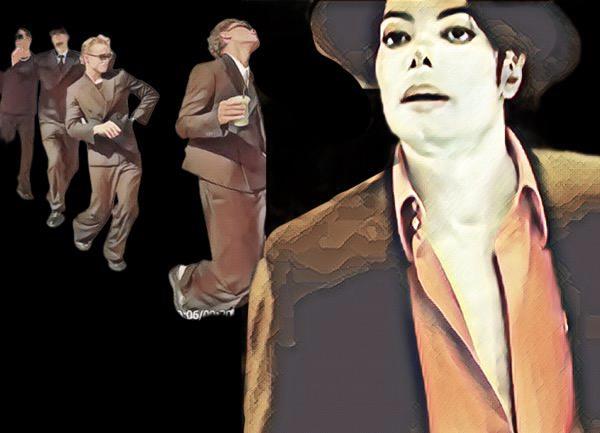
The music video, a 13-minute short film directed by Paul Hunter, reinforced this repositioning. Michael dances, flirts, and performs alongside Chris Tucker, with appearances by Marlon Brando in his final on-screen role and Michael Madsen. It was a conscious return to the language Michael mastered like no one else: narrative, body, and music.
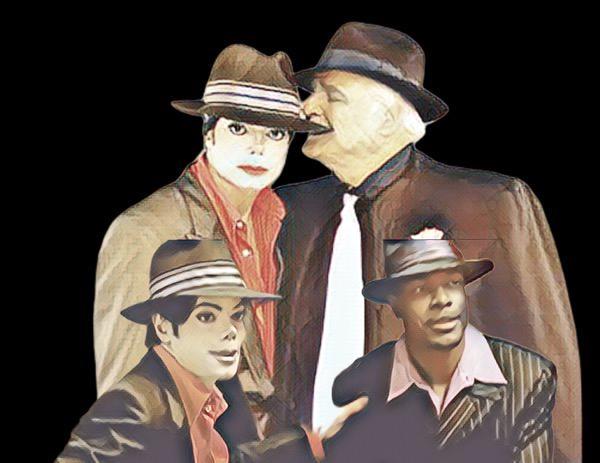
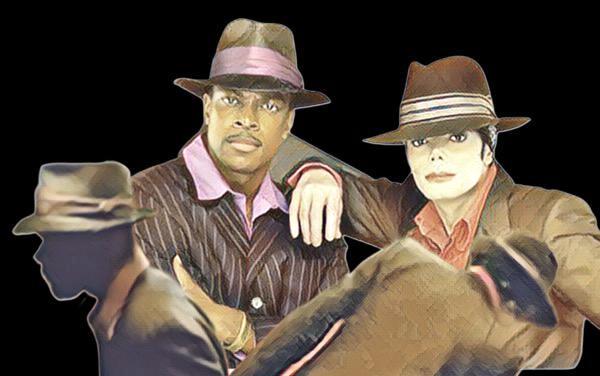
Interestingly, the steps that are now going viral were never the centerpiece of the video. They appear almost casually, improvised by Tucker and background dancers behind Michael. They were always there, waiting to be rediscovered.
Time passed,d and the song came back.
Michael Jackson died in June 2009. In 2026, seventeen years have passed since his death. And it was precisely this year, also marked by the release of his biopic, that “You Rock My World” found new life on TikTok.
This resurgence, however, did not happen randomly. It has a clear origin.
The role of Quick Style in the viral revival
The new wave began with Quick Style, also known as Quick Crew, a Norwegian hip-hop and urban dance group formed by twin brothers Suleman and Bilal Malik, of Pakistani descent, and their childhood friend Nasir Sirikhan, of Thai heritage.
Founded in 2006, the group won Norske Talenter, Norway’s version of Got Talent, in 2009, became world champions in IDO competitions, appeared on NBC’s World of Dance, and built a solid international career working with brands such as Nike, Puma, Red Bull, and Samsung. These are not casual creators, but a collective deeply respected within global dance culture.
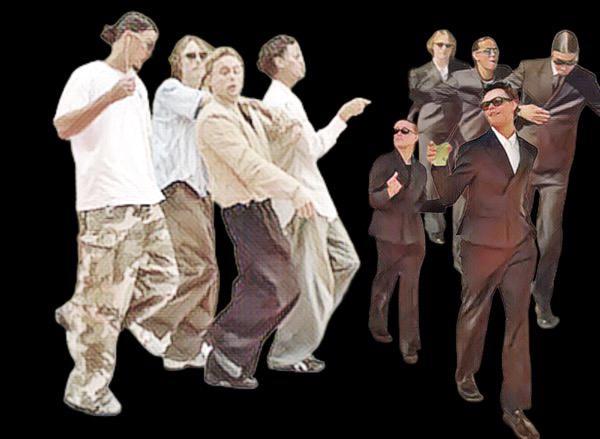
In late 2025, Quick Style posted a video dancing to “You Rock My World.” The key difference was not imitation of Michael Jackson, but translation. They reimagined the song through a contemporary lens, with fluid movements, precise timing, and a sense of collective joy and connection. The video was clean, direct, and highly replicable, perfectly suited to TikTok’s ecosystem.
The impact was immediate. The video went viral, was replicated by other dancers, couples, and creators, and helped reposition the song as a current dance track rather than an archival artifact.
To understand the scale of Quick Style’s reach, it is worth noting that a previous video posted by the group, filmed at Suleman’s wedding in 2022, surpassed 170 million views on YouTube by January 2026. On TikTok, videos using “You Rock My World” now total hundreds of thousands of creations, with cumulative views in the tens of millions when reposts, duets, and variations of the trend are taken into account.
What the TikTok trend looks like
Unlike ironic or nostalgia-driven trends, the use of “You Rock My World” follows a clear pattern:
- dance videos in pairs or groups
- emphasis on connection, lightness, and timing rather than complex choreography
- no costumes or direct references to Michael Jackson
- The song is used as a bodily experience, not a quotation
This distinction is crucial. The song goes viral because it works today. Because its groove still invites the body to respond.
What this says about Michael Jackson in 2026
Seventeen years after his death, in the same year Hollywood attempts to organize his life into the form of a biopic, Michael Jackson remains present outside institutional control. Not as a solemn memory, but as living material. Usable. Danceable.
“You Rock My World” did not return because someone decided to honor it. It returned because someone danced, and others wanted to dance too.
And perhaps that explains better than any thesis why Michael Jackson still matters. He does not endure only as an icon. He endures as movement.
Descubra mais sobre
Assine para receber nossas notícias mais recentes por e-mail.
 miscelana.com