
With the premiere of A Knight of the Seven Kingdoms, Westeros returns to a time before dragons, before vast dynastic wars, before power was exercised on a continental scale. It is a more intimate, more human world, where personal choices still seem small, until they reveal their devastating force. Much of what is now treated as “spoilers” in Game of Thrones is born precisely there.
There is an emblematic moment in which Joffrey Baratheon, proudly displaying his historical knowledge, casually lists events that would later prove decisive both for House of the Dragon and for this new series. And few moments remain as quietly unforgettable as one of the final season’s most beautiful scenes: in the episode preceding the Battle of Winterfell, Podrick Payne sings Jenny of Oldstones, suspending time and catching everyone off guard. It is within this space—between memory, song, and fate—that one of the saddest stories ever sung in the Seven Kingdoms resurfaces with renewed force: the story of Jenny of Oldstones.
Romantic relationships in Game of Thrones and House of the Dragon rarely survive the weight of duty, alliances, and honor. When affection is genuine, the price is usually steep. Jenny of Oldstones is not a love song. It is a historical lament—a sung memory of a moment when someone dared to choose the heart, and the realm was never the same again.
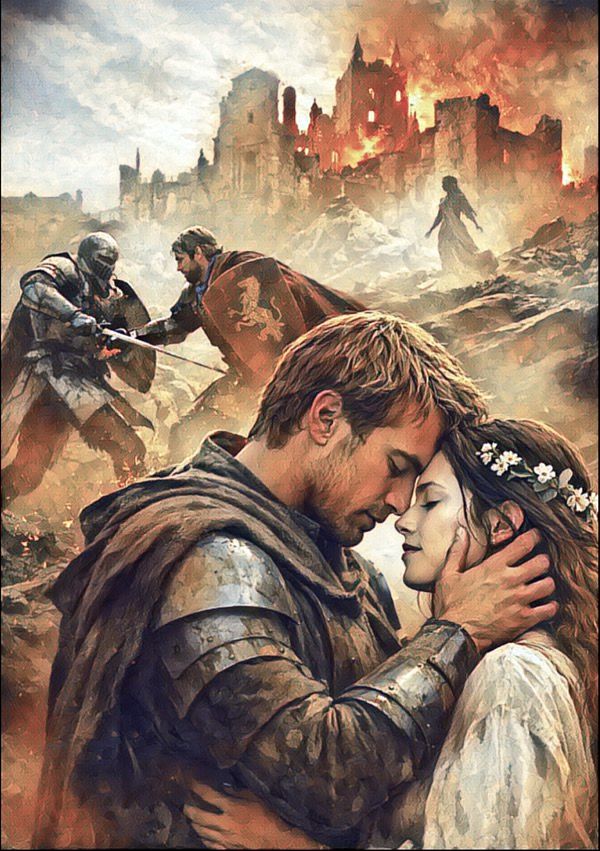
Jenny of Oldstones occupies a singular place in Westeros. For her, a prince gave up the crown. That prince was Duncan Targaryen, the eldest son of King Aegon V, known as Egg, raised from childhood to inherit the Iron Throne. Duncan and Jenny’s story blends hope, stubbornness, and tragedy, becoming one of the most melancholic legends of the Seven Kingdoms.
As heir, Duncan was the Prince of Dragonstone and was named in honor of the king’s closest friend, Ser Duncan the Tall—the same hedge knight whose youth we now follow in A Knight of the Seven Kingdoms. The young prince inherited not only the name but the obstinacy. While traveling through the Riverlands, he fell in love with a strange, gentle, and mysterious girl named Jenny of Oldstones.
Jenny lived among ancient ruins and claimed descent from the kings of the First Men. For that, she was mocked, dismissed as a disturbed peasant, perhaps even a witch. To Duncan, however, she was everything. Their love was mutual, intense, and secret—and precisely because of that, explosive.
Duncan had already been promised to the daughter of Lyonel Baratheon, Lord of Storm’s End, known as the Laughing Storm, who stands out in the pilot episode of the new series. This marriage was not a personal detail; it was a political contract meant to seal alliances, ensure stability, and reaffirm the authority of the Iron Throne. By secretly marrying Jenny, a commoner, Duncan did more than follow his heart—he publicly humiliated House Baratheon and broke the king’s word.
The reaction was immediate. Aegon V attempted to annul the marriage and demanded that his son abandon Jenny. Duncan refused. Summoned before a decisive council, he was forced to choose between love and the Iron Throne. He chose Jenny. He abdicated the crown, and his brother Jaehaerys became heir.
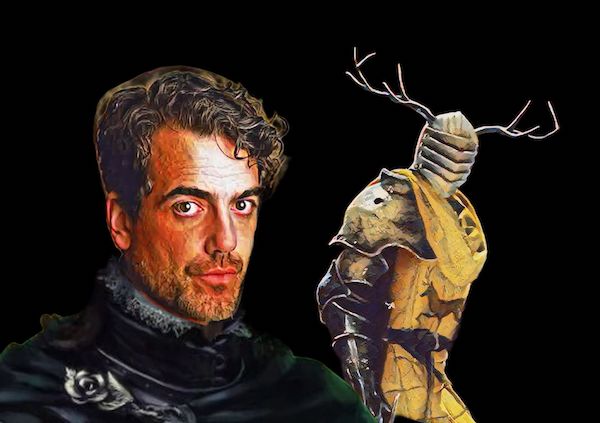
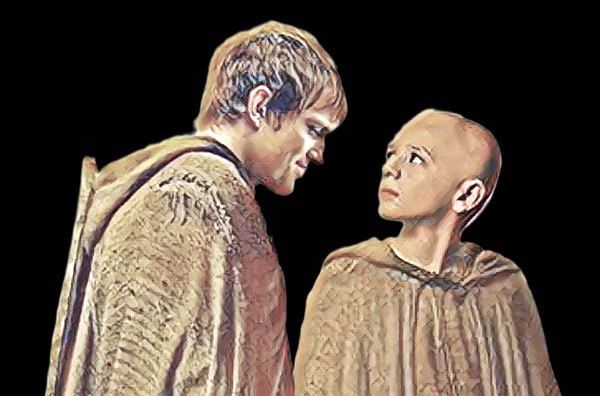
For Lyonel Baratheon, this was unacceptable. It was not about romance, but about honor, precedence, and political survival. Lyonel raised his banners, gathered his vassals, and led an open rebellion against the Iron Throne—a direct challenge to the king. The uprising was small in military scale, but immense in meaning: it demonstrated that if an heir could break sworn alliances for love, the entire system of power was vulnerable.
Aegon V chose to avoid civil war. The rebellion was resolved through trial by combat. On one side stood Lyonel Baratheon. On the other hand, Ser Duncan the Tall. The fight was brutal, physical, and direct. Dunk prevailed. The rebellion ended there. Knowing what we now know, it is impossible not to imagine that moment anew.
Lyonel did not die. He was neither executed nor stripped of his lands. He remained Lord of Storm’s End. His defeat was symbolic and political, not fatal. He lost the fight, but preserved his dignity and lived to see the consequences ferment across generations.
To repair the damage caused by his son’s passion, Aegon V made a decisive promise: his youngest daughter, Rhaelle Targaryen, would marry the Baratheon heir. The marriage restored the alliance. From it was born Steffon Baratheon, father of Robert Baratheon. The irony is cruel: the rebellion sparked by Jenny of Oldstones lies directly at the root of the eventual fall of House Targaryen.

Within this political rearrangement, Jenny was officially accepted. Rhaelle liked her, and the former commoner—now Lady Jenny—became a popular figure in the Seven Kingdoms, the first princess without noble blood. For a brief moment, it seemed that love had won. But Westeros does not reward such defiance.
Jenny’s closest friend was a small woods witch, known for her visions. She was also the one who spoke the prophecy of the Song of Ice and Fire, declaring that the promised prince would be born from the line of Aerys and Rhaella Targaryen, children of Jaehaerys. Upon hearing this, Jaehaerys forced his children to marry, against Rhaella’s wishes. The prophecy began shaping generations.
Meanwhile, Aegon V became consumed by another obsession: restoring dragons to the Seven Kingdoms, extinct since the civil war between Rhaenyra and Aegon II. In his pursuit, he turned to forbidden knowledge, journeys to Asshai, and dangerous experiments. Convinced he had found a way, he gathered his children and allies at Summerhall to celebrate the imminent birth of his first great-grandson, Rhaegar. Duncan and Jenny were among those present.
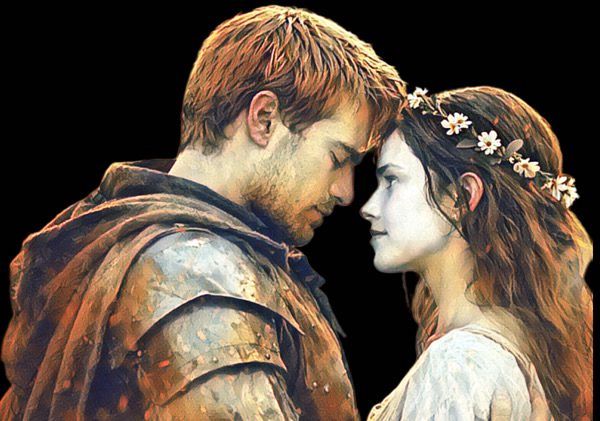
What happened at Summerhall remains shrouded in mystery. It is known only that there were seven dragon eggs, honoring the Seven Gods. The flames spiraled out of control. The castle was consumed by fire and reduced to ruins. Among the dead were King Aegon V, Ser Duncan the Tall, Prince Duncan, and Jenny. Legend says that, among the ruins, she can still be seen dancing with her ghosts.
Jaehaerys and his children survived. Amid the ashes, Rhaegar was born. Years later, Rhaella would give birth to Daenerys. Rhaegar would be killed in battle by Robert Baratheon, Rhaelle’s grandson, but in secret, he had fathered a child with Lyanna Stark: Jon Snow, the literal union of ice and fire. The prophecy was true.
Revisiting the story of Jenny of Oldstones now, after first publishing it in 2023, feels even more resonant with A Knight of the Seven Kingdoms on screen. The series reminds us that long before dragons and contested thrones, Westeros was already ruled by intimate, silent, deeply human choices. And that some defeats do not kill—they endure. Lyonel Baratheon survived his rebellion. Jenny did not. But the echo of their love still haunts Westeros.
Should the story of Duncan and Jenny ever reach the screen, it would surely become one of the most beautiful tragedies in the Game of Thrones universe.
High in the halls of the kings who are gone
Jenny would dance with her ghosts
The ones she had lost and the ones she had found
And the ones who had loved her the most
The ones who’d been gone for so very long
She couldn’t remember their names
They spun her around on the damp old stones
Spun away all her sorrow and pain
And she never wanted to leave, never wanted to leave
Never wanted to leave, never wanted to leave
They danced through the day
And into the night through the snow that swept through the hall
From winter to summer then winter again
‘Til the walls did crumble and fall
And she never wanted to leave, never wanted to leave
Never wanted to leave, never wanted to leave
And she never wanted to leave, never wanted to leave
Never wanted to leave, never wanted to leave
High in the halls of the kings who are gone
Jenny would dance with her ghosts
The ones she had lost and the ones she had found
And the ones
Who had loved her the most
Descubra mais sobre
Assine para receber nossas notícias mais recentes por e-mail.
 miscelana.com
2 comentários Adicione o seu