
As published in CLAUDIA on June 9, 2020
Six years ago, as an editor at CLAUDIA, I began following the case of Jeffrey Epstein and Ghislaine Maxwell more closely. I was familiar with both from a Vanity Fair article published years earlier, but the Netflix documentary directed by Lisa Bryant is one of the most comprehensive and illuminating accounts of the story. At the time, there were still accomplices and perpetrators alive and free. We arrive in 2026, still uncovering sordid details and absurdities behind the scenes of this nightmare. Here, I revisit the interview as it was published at the time.
In the early 2000s, American businessman Jeffrey Epstein was seen as a modern-day Great Gatsby — the character from F. Scott Fitzgerald’s classic novel, portrayed by Leonardo DiCaprio in the most recent film adaptation. The mystery surrounding Epstein’s fortune and lifestyle drew the attention of Vanity Fair, which published an article that barely scratched the surface of the monstrosity of Epstein’s true identity.
Like Gatsby, Epstein became known only after he was already a millionaire in New York. Described as a charmer, he was influential and often acted as host at parties on his private Caribbean island. At times, he appeared alongside socialite Ghislaine Maxwell at jet-set events, but the two never publicly acknowledged a serious relationship.
The truth about Epstein is that he ran a network of prostitution and sexual exploitation of minors. For more than 20 years, celebrities, politicians, and other millionaires who were aware of the scheme avoided reporting it. Like Gatsby, Epstein’s life also came to a tragic end, with his apparent suicide less than a year earlier, while he was incarcerated in New York. At that time, director Lisa Bryant was already in the final stages of the documentary Jeffrey Epstein: Power and Perversion, a Netflix exclusive released in early June 2020.
Featuring archival footage and testimonies from survivors, the four-episode documentary is gripping. Lisa spoke with CLAUDIA by phone from New York. She believes there is room for a continuation and that this is a story of nightmares and unexpected outcomes.
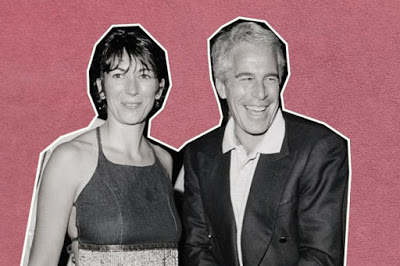
How did you get involved in this project? He was still alive when you were filming, right?
Yes, he was alive, and we had already been filming for eight months when he was arrested. I joined the project because the producers felt this was a documentary that needed a female perspective.
Did you know who Jeffrey Epstein was?
I did, but the more I discovered, the angrier I became. I couldn’t believe all of this was happening with the knowledge of certain people. It’s astonishing how power and money were able to hide these hateful acts for so long. I was also shaken by the corruption and by what unfolded when I learned about the deal he made with the American justice system — when, in truth, anyone else would have received a life sentence. He got away with a slap on the wrist.
Part of the problem during the trial was identifying the victims as prostitutes, since he paid them. That has changed somewhat since the #MeToo movement.
They needed respect and not to be labeledas prostitutes and liars. Epstein had an army of powerful lawyers who helped frame these teenage girls as prostitutes. They might have had photos on social media drinking or wearing bikinis, but using that against them is simply wrong. What I wanted with this documentary was to show people that this was happening openly and that no authority figure or millionaire should be free to do this. This documentary should be a call to action, so people can see that the American system is broken and was built to protect political power. I hope people learn from it.
What was the biggest challenge in telling this story?
Keeping it simple. It’s a complex story, and audiences outside the United States had never heard of Epstein and wouldn’t grasp the scope. The level the network reached is unimaginable. Beyond the abuse of women, there’s Epstein’s personal story — his pattern, his criminal methods, his lies, his abuse of women, and how he managed to maintain his reputation despite everything. What becomes clear in the documentary is that he always acted however he wanted and got whatever he wanted, no matter who was involved. He believed he was above the law and thought he was the smartest man alive. The fact that he managed to live like this for so long is shocking.
Your script shows sensitivity toward the victims, but even today, it seems they still have to justify themselves to be heard…
It was illegal. They were underage. They cannot be judged as adults. They were manipulated into participating, trained — he had a well-oiled machine and a step-by-step manual. All of these women’s stories add up. They didn’t know each other; they had no way of inventing and matching all the details. It was insane to hear almost the same pattern repeated over so many years and across so many women. Even if they had been 20 or 21, it would still have been sex trafficking. They were trafficked to powerful men who were accomplices — they did nothing and said nothing. It was complicity that allowed this behavior to continue.
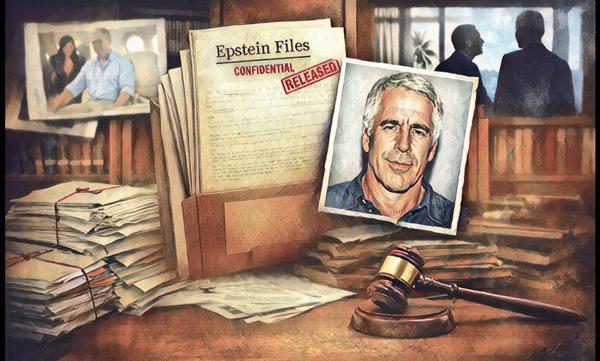
Did he try to stop the production of the documentary?
He was aware that we were filming and, as far as I know, didn’t try to interfere. We took many precautions to protect the material — everything was stored in a sealed room monitored by security cameras. We formally requested interviews with him, but he refused through his lawyer, Alan Dershowitz, who appears in the documentary. We went to his door, and he didn’t answer. Suddenly, overnight, the entire story shifted and took on a news-driven approach, which is very different from documentary filmmaking. We didn’t have a team available for news coverage, and everything changed rapidly after his arrest. We had to change our perspective and practically start over. It wasn’t easy. Before, it was extremely difficult to convince people to speak about him — they were very afraid while he was alive and didn’t want to be associated with Epstein. After his arrest, it improved only slightly, but then the entire world wanted to speak with the survivors. The requests reached hundreds per day. It became an international story because it was so unbelievable.
Is the story finished with Epstein’s death?
It’s still unfolding, and the investigations aren’t over. The victims haven’t received compensation yet, but it seems they may succeed. People like Ghislaine Maxwell, who must be questioned, remain missing. There are co-conspirators who are free and facilitated this horrific behavior — they participated in the scheme. Our documentary had to stop, but journalists continue the work. Epstein’s suicide essentially ended our narrative, but the story is still developing. What mattered most to us were the survivors’ stories — their perspective, their courage, and the depth of their accounts. Our goal was to give them the platform that had been denied to them for nearly 30 years. They gave us feedback on how their lives changed. They felt free, better about themselves, no longer having to hide or feel ashamed. That’s the greatest reward: knowing we were able to make their lives a little better, even though they were denied the closure of seeing him pay for his crimes for the rest of his life.
Is there a chance of more episodes in the future?
Yes, it depends, of course, on Netflix. If, for example, Ghislaine Maxwell is arrested, that would be a strong reason to revisit the story. But we don’t even know where she is or what she’s doing.
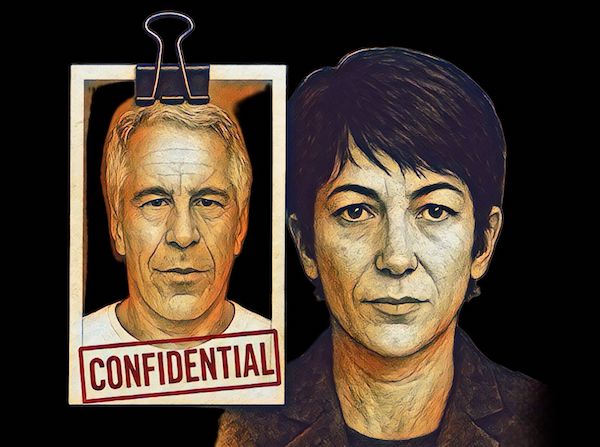
Where is Ghislaine Maxwell?
That’s the million-dollar question. Everyone wants to know — including the FBI. Pressure is growing from the survivors, who want her to be held accountable and tried. The agreement that shields her is still valid, but the legal battle to overturn it is intense. With Epstein’s death, the argument is that the agreement loses its validity. This discussion couldn’t be mentioned in the documentary due to judicial secrecy. It’s possible the FBI already knows where Ghislaine is and that she may be cooperating to help dismantle the child prostitution network — nothing concrete is known. But for the survivors, it’s a life mission to reach everyone involved, and she was at the top of the pyramid. We’ll have to keep watching.
P.S.: Ghislaine Maxwell was arrested a month later, tried, and convicted between 2021 and 2024. Full coverage of the case can be found here on Miscelana: EVERYTHING ABOUT GHISLAINE MAXWELL and EVERYTHING ABOUT JEFFREY EPSTEIN.
Descubra mais sobre
Assine para receber nossas notícias mais recentes por e-mail.
 miscelana.com