
When Songs of a Lost World by The Cure won the Grammy, the recognition felt historic. After more than four decades of career, it was the band’s first Grammy, belated, symbolic, almost out of time. But there was no celebration. Robert Smith and the band were not at the ceremony. In those days, they were attending the funeral of someone deeply connected to the group’s history, a loss that made any public gesture of triumph impossible.
Nothing could have been more consistent with the album being honored. Songs of a Lost World was born from a succession of griefs: the death of Smith’s mother and brother, the earlier loss of his father, the passing of close friends, and the awareness of aging as a permanent state. In interviews, Smith described the record not as an exercise in overcoming pain, but as a way of living alongside absence, accepting that some losses are never resolved. Time, here, does not heal. It only accumulates.

This mature, almost philosophical approach connects The Cure directly to The Twilight Sad. Not by coincidence, Smith has long expressed deep admiration for the Scottish band and has taken them on tour. If The Cure writes grief from the distance of someone who has survived many losses, The Twilight Sad’s most recent album stands on the opposite side of the experience: still inside the impact, still without a stable language. James Graham sings as if trying to name pain while it is still happening.
Between these two poles — grief already sedimented and grief still in combustion — music emerges as an essential tool. Not as a cure, but as permanence. It is from this axis that these ten albums are organized: records in which loss is not merely a theme, but the structural condition of the work.
1. Songs of a Lost World — The Cure
Written out of deep family losses and the consciousness of aging, the album transforms grief into a permanent state. Songs like Alone and Endsong refuse any promise of redemption. There is no catharsis, only lucidity. Grief here does not ask for comfort; it learns how to exist. Unsurprisingly, the band won the Grammys for Best Alternative Music Performance for “Alone” and Best Alternative Music Album for Songs of a Lost World. Well deserved.
2. It’s The Long Goodbye — The Twilight Sad
Born from crises still in progress, The Twilight Sad’s work approaches grief without enough distance to organize it. In Waiting for the Phone Call and Designed to Lose, pain returns in cycles, without narrative or transcendence. This is raw grief, still searching for language.
3. Skeleton Tree — Nick Cave & the Bad Seeds
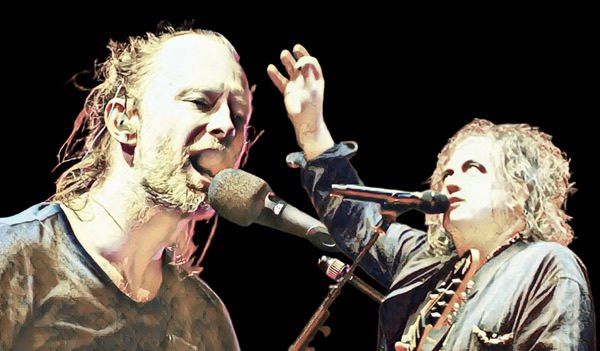
Recorded during the immediate shock following the death of Nick Cave’s son, the album sounds fractured, almost suspended. Tracks like Jesus Alone and Girl in Amber reveal a broken language, unable to fully symbolize loss. Here, grief still interrupts thought itself.
4. Ghosteen — Nick Cave & the Bad Seeds
Three years later, Cave returns to the same grief, now spiritualized. Ghosteen turns absence into constant presence. In Bright Horses and Ghosteen Speaks, music becomes vigil, an attempt at dialogue with the invisible. There is no closure, only listening.
5. The Final Cut — Pink Floyd
Roger Waters revisits the death of his father in World War II and the collapse of the British post-war ideal. Unlike The Wall, there is no epic grandeur here, only erosion. The Gunner’s Dream and Two Suns in the Sunset transform personal grief into historical accusation. This is political grief — corrosive, irreconcilable.
6. In the Grace of Your Love — The Rapture
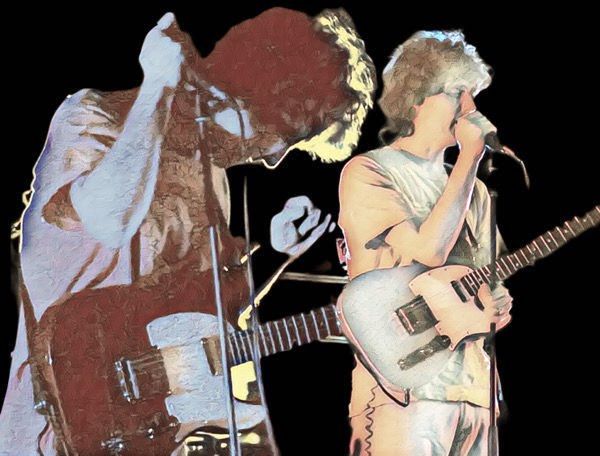
The album emerges from the suicide of Luke Jenner’s mother and a personal and creative collapse that nearly dissolved the band. Unlike other grief records, it does not choose withdrawal. In Miss You and Children, loss is named; in Sail Away, it intersects with fatherhood and continuity. Pain here becomes movement. The body dances in order not to disappear.

7. Carrie & Lowell — Sufjan Stevens
Written after the death of his mother, the album revisits a childhood marked by absence and silence. In Fourth of July and Should Have Known Better, grief is filtered through memory, guilt, and the attempt to organize the past. Delicate and carefully constructed, it is a record of belated elaboration.
8. Blackstar — David Bowie
Recorded while Bowie knew he was dying, the album transforms death itself into an artistic gesture. Lazarus and Blackstar do not ask for empathy; they stage a farewell. Grief here is anticipated, conscious, absorbed into the work as a final form of control.
9. A Moon Shaped Pool — Radiohead
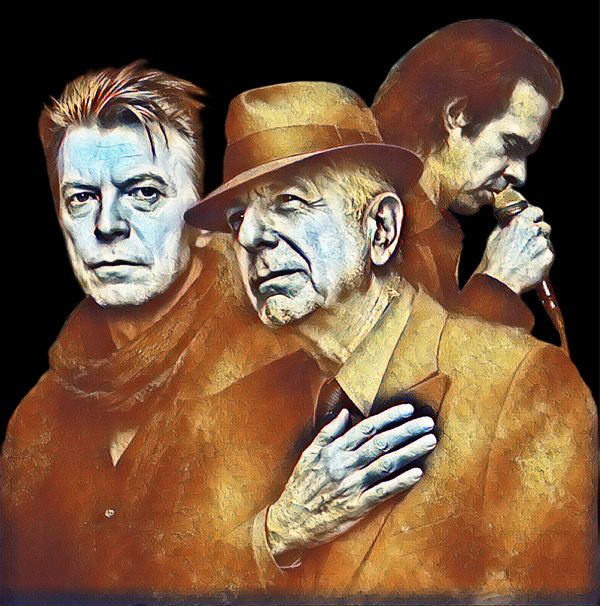
After the end of a long relationship and the passing of his first wife, Thom Yorke wrote an album of emotional suspension. In Daydreaming and True Love Waits, grief is affective, silent, unresolved. A record about what remains when an imagined future disappears.
10. You Want It Darker — Leonard Cohen
Recorded shortly before his death, the album is a final dialogue with God. In You Want It Darker and Leaving the Table, Cohen neither negotiates nor revolts. Grief is theological, grave, almost liturgical. A farewell without spectacle.
What unites these albums is not only the pain that gave rise to them, but the way music changes when loss stops being an episode and becomes a condition. In all of them, grief is not resolved — it is inhabited. Music does not offer an exit. It offers permanence.
Descubra mais sobre
Assine para receber nossas notícias mais recentes por e-mail.
 miscelana.com
1 comentário Adicione o seu