
In A Knight of the Seven Kingdoms, nothing is accidental. Every character carries a destiny that may seem small in the present but echoes for decades across the history of Westeros. At the center of this machinery lies a key moment: how Baelor Targaryen dies. His death is not merely a personal tragedy, but the turning point that reshapes the line of succession, pushes Egg toward the throne, hardens Maekar, erases Valarr, and redefines the role of Duncan the Tall.
By tracing the fates of Egg, Aerion, Daeron, Baelor, Valarr, Maekar, Dunk, Lyonel Baratheon, Raymun Fossoway, and Tanselle, it becomes clear that this is not simply a story about knights and tournaments, but about how a single loss alters the entire course of the Targaryen dynasty and prepares the ground for everything that comes after.
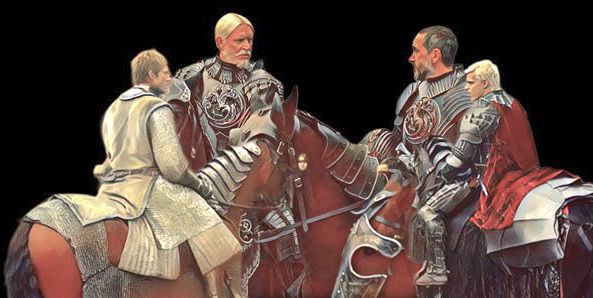
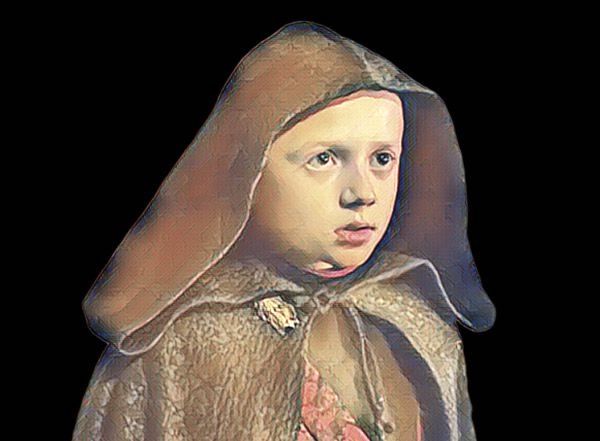
Egg (Aegon Targaryen): the boy who becomes king and dies trying to bring dragons back
Egg grows up and, after multiple deaths clear his path and his brother Aemon—by then a maester at Castle Black—is unable to take the throne, he ascends as Aegon V Targaryen. He rules, driven by a desire to protect the smallfolk from the abuses of the nobility. His reign is marked by genuine attempts at social reform, almost always blocked by the great lords.
Without dragons, the Iron Throne no longer inspires enough fear to sustain a project of structural justice. Gradually, Egg comes to see the return of dragons not as an act of personal glory, but as a political instrument capable of enforcing changes that the law alone cannot guarantee.
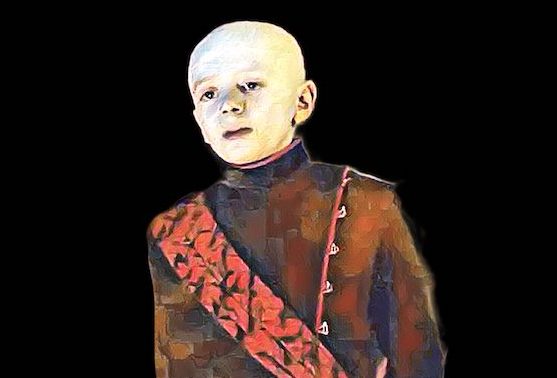
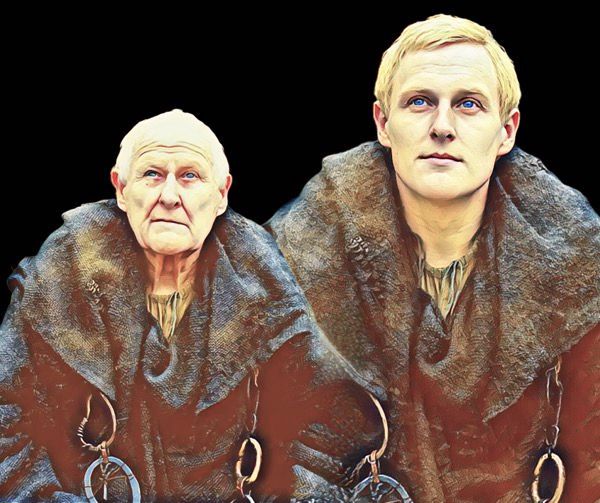
His fate ends tragically at the Tragedy of Summerhall, where he dies at around fifty-nine years old, attempting to resurrect dragons through a ritual that spirals completely out of control. Duncan the Tall dies beside him, trying to save him. It is not an act of sudden madness, but the culmination of a frustrated reign, in which idealism meets its cruelest limits.
Egg is the grandfather of Daenerys and the great-grandfather of Jon Snow, and in A Knight of the Seven Kingdoms, we can already see the seeds that will reappear in his descendants: a connection to the common people, a strong sense of justice, and a refusal to accept the established order as immutable. At the same time, his trajectory is haunted by darker echoes. The madness of his brother Aerion anticipates, in another key, the insanity of Aerys, the Mad King. Daeron’s prophetic dreams—real and ignored—serve as a silent counterpoint: Daeron dreams and freezes; Egg does not dream, but acts. At Summerhall, it is possible that Egg believed he was fulfilling a destiny, not defying it.
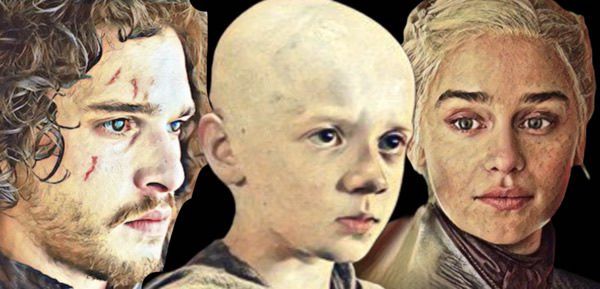
He dies trying to do good with the wrong tools. Not as a mad king, but as a reformer who realizes, too late, that Westeros rarely changes without fire.
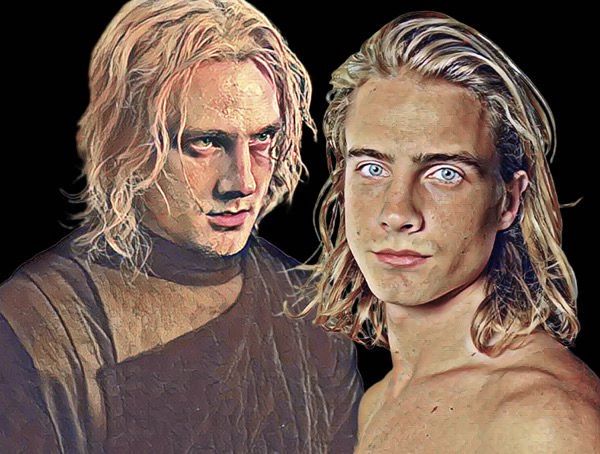
Aerion Targaryen: how Aerion Brightflame dies drinking fire
Aerion, known as Brightflame, believes himself to be a dragon in human form. He survives the Trial of Seven—defeated and humiliated—and, despite his instability, eventually marries, in an attempt by his family to restrain his excesses and preserve the bloodline.
His fate is sealed when Aerion drinks wildfire, believing it will transform him into a dragon. He dies slowly and horribly, becoming one of the most extreme examples of Targaryen madness. This is neither idealism nor a misread prophecy, but absolute delusion: Aerion did not want to control fire—he wanted to be consumed by it.
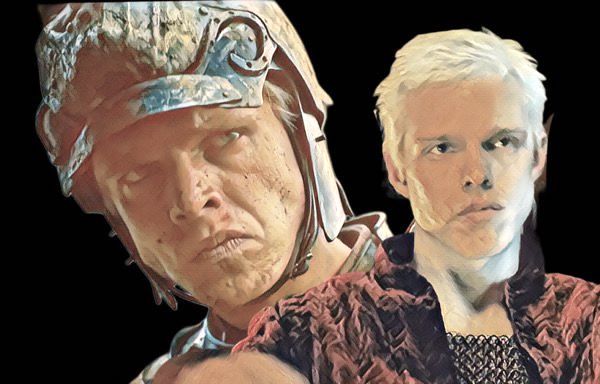
Daeron Targaryen: How Prince Daeron dies far from glory
Daeron, the gentlest and most lucid of the brothers, dies young, the victim of illness exacerbated by alcoholism. His quiet end contrasts sharply with the violence and heroism that surround other Targaryens, reinforcing the sense of a lost generation.
Baelor Targaryen: How Baelor Breakspear dies saving Dunk
Baelor Breakspear dies after being fatally struck by a blow delivered by Maekar during the Trial by Combat, when he intervenes to protect Duncan the Tall. The death is accidental, but its consequences are irreversible. The ideal heir falls not through ambition or personal failure, but by trying to prevent honor from being crushed by brutality—a cruel irony in a system that rewards strength over justice.
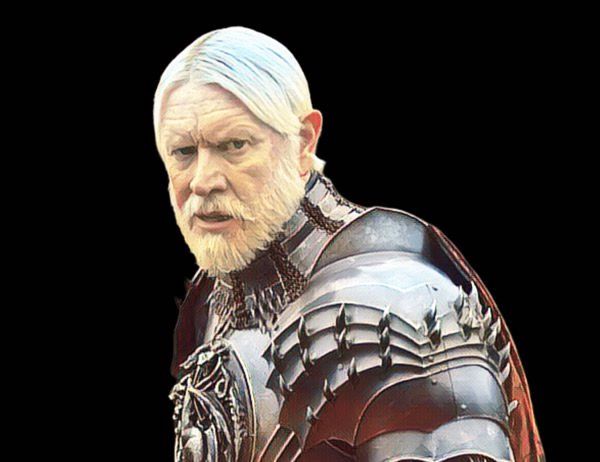
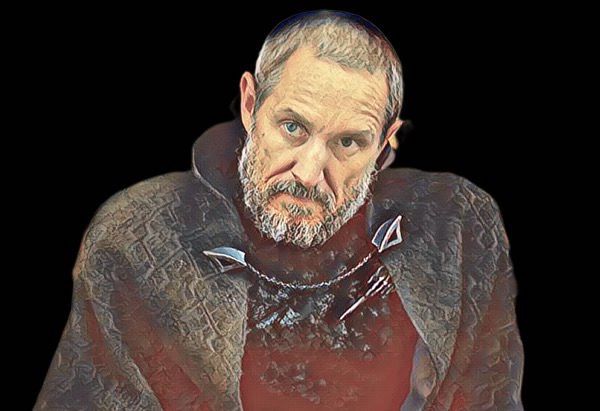
Baelor’s loss reshapes the brothers who remain. In Maekar, it installs a silent weight, a deeper hardness marked by the guilt of having caused the death of the man who best embodied the kingdom’s future. In Egg, still a boy, Baelor’s death becomes a formative lesson about the cost of justice in Westeros: doing what is right does not always protect the righteous. This wound follows him into adulthood and helps explain the king he will become—someone willing to seek new means, even dangerous ones, to prevent such tragedies from happening again.
Valarr Targaryen: How Valarr dies shortly after his father
Valarr, Baelor’s son, survives the immediate trauma of his father’s death but dies of a fever shortly afterward, possibly linked to an epidemic. With his death, Baelor’s direct line is extinguished, clearing the way for Maekar’s reign and, later, Egg’s.
Maekar Targaryen: the king shaped by loss
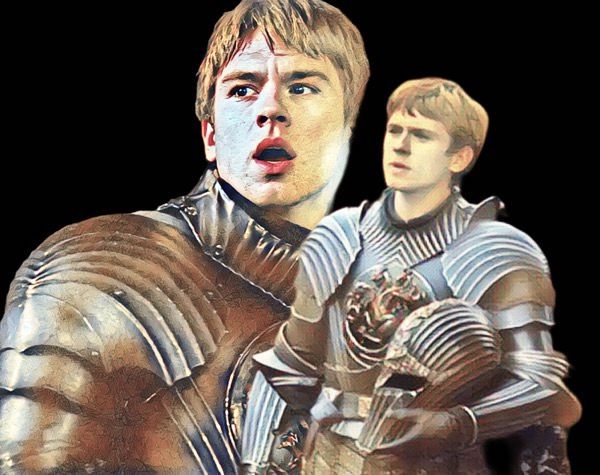
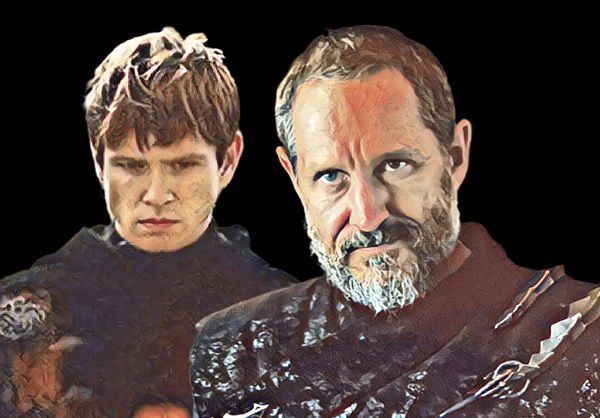
Maekar hardens after Baelor’s death and becomes king more by lack of alternatives than by any true desire to rule. His trajectory is defined by a rigid sense of duty and a conflicted relationship with his children, mediated almost always by silence and discipline rather than intimacy.
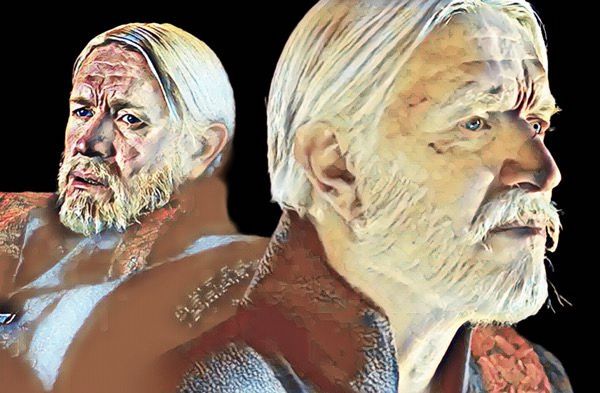
With Daeron, the dreamer, Maekar responds with impatience and incomprehension, unable to deal with someone who can see the future but refuses to act on it. In Aemon, he finds his most balanced son, one who chooses knowledge and renunciation as a form of moral survival. Aerion, meanwhile, concentrates everything Maekar cannot restrain or correct: violence, arrogance, and delusion. Egg, the youngest, receives a rare and awkward affection, made more of quiet protection than of words, perhaps because he reminds Maekar of Baelor—or of everything that was lost with him.
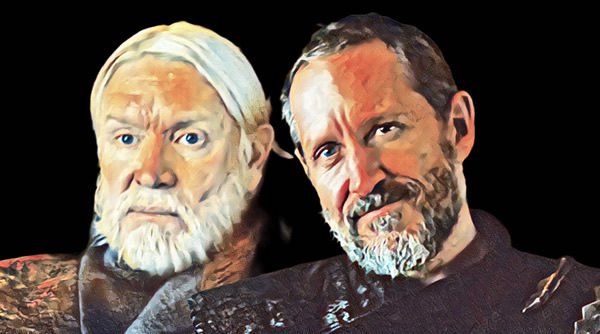
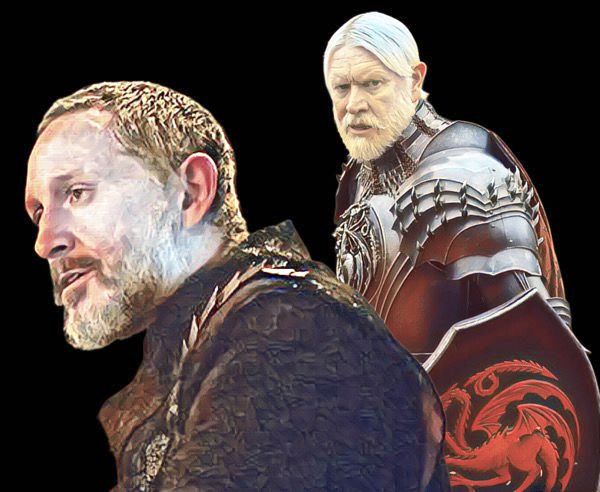
Duncan the Tall remains an uncomfortable but necessary presence. Maekar never fully forgives him for the chain of events that led to Baelor’s death, yet he cannot ignore his integrity. Between them exists a rough respect, sustained less by friendship than by mutual recognition.
Maekar’s grief is never expressed in visible gestures. He does not soften, retreat, or allow himself consolation. Instead, he turns loss into rigidity, order, and emotional restraint. His fate ends in battle, during the Siege of Starpike, reinforcing the tragic pattern of Targaryen kings who die on the battlefield—men unable to escape the violence they tried to administer.
Duncan the Tall: How Duncan dies beside Egg
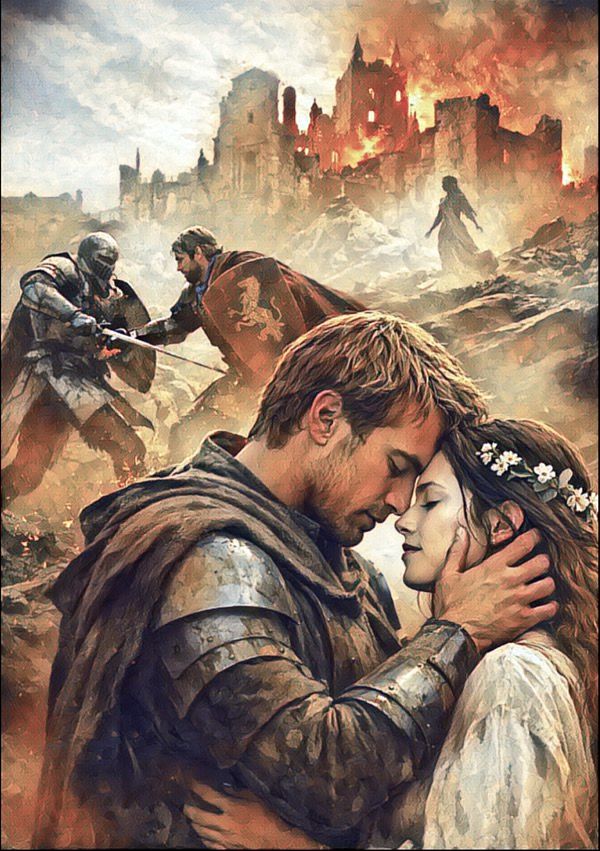
Duncan the Tall rises from squire to Lord Commander of the Kingsguard. His final fate is sealed at Summerhall, where he dies trying to save Egg during the fire. It is an ending consistent with his life: dying in defense of the one he swore to protect.

Lyonel Baratheon: the rebellion that precedes Robert
Lyonel Baratheon, great-grandfather of Robert, Stannis, and Renly Baratheon, possesses more life, energy, and drive than his more famous descendants. Even so, in A Knight of the Seven Kingdoms, we can already see the seeds of what will become Robert’s Rebellion some seventy years later. The history of House Baratheon is marked by family conflict, wounded pride, and the constant tension between loyalty and autonomy—made sharper by the fact that the house carries Targaryen blood.
When Egg becomes king as Aegon V Targaryen, he marries Betha Blackwood and has five children: Duncan, the eldest; Jaehaerys; Shaera; Daeron; and Rhaelle, who later marries Ormund Baratheon, formally sealing the bond between the two houses. Duncan, the heir, is betrothed to Lyonel Baratheon’s daughter—a strategic political match whose name is never recorded in the books, but whose historical weight is immense. The plan collapses when Duncan falls in love with Jenny of Oldstones and chooses to marry for love.
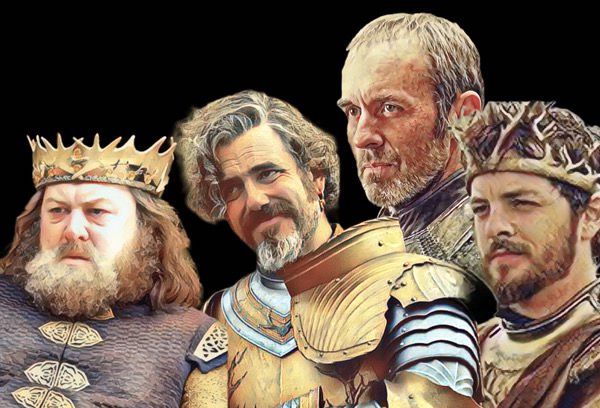
The rupture echoes through Westeros’ future. Decades later, Egg’s grandson Rhaegar Targaryen would also place desire above duty by falling in love with Lyanna Stark, provoking Robert Baratheon’s fury and igniting a war that would destroy the dynasty. In Duncan’s case, the broken promise leads Lyonel to rebel against the Iron Throne and declare himself King of the Stormlands. The crisis, however, is resolved through diplomacy, in an agreement crafted by Egg himself—a rare reminder that not all rebellions in Westeros end in blood.
Lyonel Baratheon does not die in battle or as a martyr. After the contained rebellion, he returns to Storm’s End and dies years later of natural causes, leaving behind a legacy often overlooked but essential: proof that the Baratheon temperament was always one step away from insurrection. Robert would merely inherit—and amplify—what had already been there since Lyonel.
Raymun Fossoway: the knight who survives the tragedy
Raymun Fossoway, “of the red apple,” has no known tragic end. He survives the Trial by Combat, keeps his honor intact, and represents the rare possibility of continuing to live after witnessing the fall of the great.
Tanselle: the artist’s open ending
Tanselle, the puppeteer, disappears from the historical record after the events at Ashford. Her fate is unknown, but symbolically powerful: she survives outside the books, far from war, bloodshed, and the dynastic disputes that destroy the nobility.
Descubra mais sobre
Assine para receber nossas notícias mais recentes por e-mail.
 miscelana.com