
Amid so many emotional stories coming out of the Winter Games in Milan and with the Oscars just around the corner, TV fans received the sad news today of the death of actor James Van Der Beek, who became one of the most recognizable faces on television in the late 1990s by playing Dawson Leery on Dawson’s Creek. He was only 48.
James never fully transitioned from television to film, nor did he go on to headline another project that came close to matching the cultural impact of Dawson’s Creek, largely because his name became permanently tied to a generation that learned to speak about feelings out loud, in long and almost literary monologues, in a television era that still believed teenagers could discuss European cinema, sex, friendship, and existential frustration without irony.
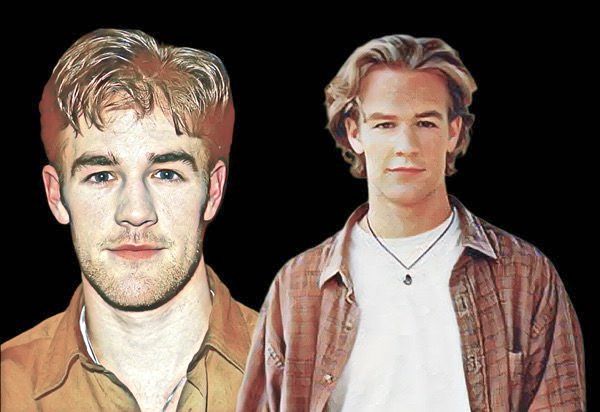
Born on March 8, 1977, in Connecticut, Van Der Beek began acting at a young age in theater before moving into film and television. His first major film role came with Varsity Blues, a sports drama that captured the world of high school football and cemented his status as a teen symbol of the era. But it was as Dawson that he entered the collective imagination for good.
Dawson’s Creek, which aired from 1998 to 2003, turned Van Der Beek into a pop icon. The character was an aspiring filmmaker, a hopeless romantic, often naïve, sometimes irritating, but always sincere. In a pre-social media era, Dawson represented the young man who felt too much and analyzed too much, who believed love had to be lived with cinematic intensity. The haircut, the easy tears, the impassioned speeches by the creek all became part of the television iconography of that period.
After the series ended, Van Der Beek faced the classic challenge of actors marked by a defining role. Over the following decades, he moved between independent films, television appearances, and projects that played with his own public image. In shows like Don’t Trust the B—- in Apartment 23, he displayed sharp comedic timing by portraying an exaggerated version of himself, dismantling the myth of the sensitive 1990s heartthrob and revealing rare self-awareness for a former teen idol.
He also appeared in productions such as CSI: Cyber and Pose, demonstrating versatility and a willingness to reinvent himself in an industry that does not always offer clear paths for former stars of youth-driven phenomena.
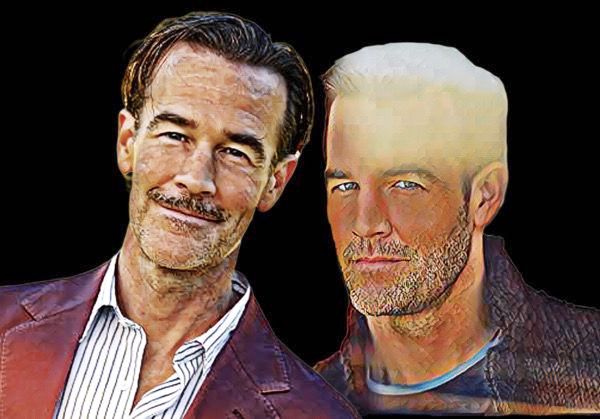
Off-screen, Van Der Beek spoke openly about family, spirituality, and the ups and downs of his career. Married and a father of six, he used social media to share personal reflections, often with the same emotional candor that defined his most famous character. In recent years, he has been speaking about the importance of mental health, fatherhood, and balance in a profession marked by instability.
In 2024, he moved fans deeply and, in some way, prepared them for what might come when he made public his battle with colorectal cancer, diagnosed in 2023. The family confirmed his death in a social media statement, saying he passed away “peacefully” and asking for privacy during this time of mourning.
James Van Der Beek’s death closes not only an artistic trajectory but also an emotional chapter of pop culture. For millions of viewers who grew up to the sound of melancholic soundtracks and existential dialogue, he will remain the face of an era when television dared to treat coming of age as serious drama rather than disposable entertainment.
Van Der Beek leaves behind his wife and children, as well as a generation who, upon revisiting his work, may once again believe that feeling intensely is still an act of courage. Listening to Paula Cole sing I Don’t Want to Wait today feels almost obligatory.
Descubra mais sobre
Assine para receber nossas notícias mais recentes por e-mail.
 miscelana.com