
The anxiety surrounding the House of the Dragon Season 3 teaser says less about marketing and more about collective trauma. The HBO series carries the burden of continuing the Game of Thrones universe, and every new image from Season 3 is examined as if it were a test of trust between the creators and the audience. This is not just anticipation for new episodes. It is a need to believe that Westeros can still deliver a great story.

I would have assumed the new House of the Dragon teaser would air during the final episode of A Knight of the Seven Kingdoms this Sunday, the 22nd, as a symbolic bridge between two phases of the Targaryen dynasty. But the internet insists we are less than 24 hours away from the first official Season 3 footage. This time, the anticipation is not pure excitement. It is tension.
House of the Dragon was born in an unfortunate position and remains caught in the middle of competing pressures. It was the official return to Westeros after the divisive ending of Game of Thrones, while also adapting the Dance of the Dragons, one of the most beloved periods of Targaryen history. Season 1 managed something rare by rebuilding part of the audience’s trust through political drama, complex characters, and a tragic tone reminiscent of the original series at its best.
Significant changes were made to George R. R. Martin’s Fire & Blood, but many were accepted because they strengthened the drama. The transformation of Rhaenyra Targaryen and Alicent Hightower from friends into enemies gave the conflict a deeply emotional core. King Viserys I, portrayed by Paddy Considine, became one of the most human figures in the entire franchise, a fundamentally good man crushed by the weight of his own dynasty.
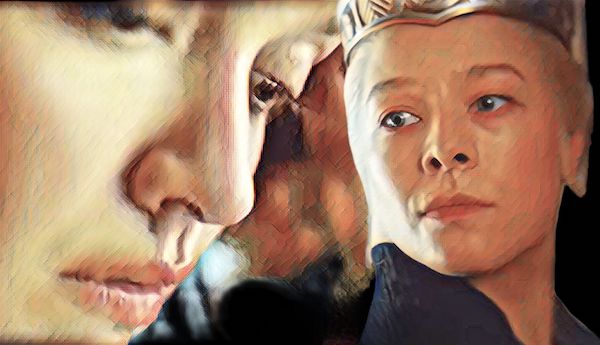
Over time, however, the reality became more complicated. The departure of director Miguel Sapochnik raised concerns about visual consistency. Martin’s unusually direct public criticism of certain narrative decisions created the impression of internal conflict. When the author himself expresses discomfort, audience perception inevitably shifts.
Season 2 divided viewers. It featured outstanding performances and spectacular moments, yet also a sense that the full war was constantly being postponed. Many felt the story was still preparing to begin even after two seasons. This perception increases the pressure on Season 3, which promises to depict the conflict at its most devastating stage.
The confirmed June 2026 release window and the first official image of Rhaenyra seated on the Iron Throne, accompanied by the line “From fire comes darkness,” suggest a clear tonal shift. The struggle for legitimacy appears to be over. Now the story turns to the burden of ruling a realm already shattered by the Targaryen civil war.
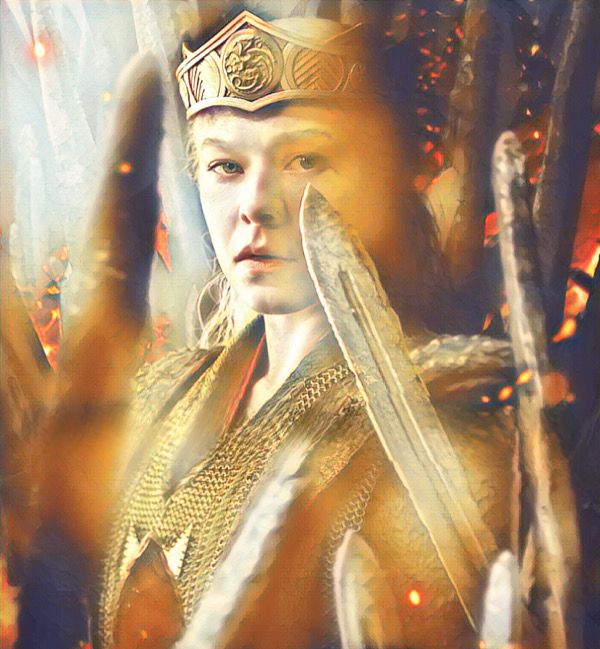
Narratively, House of the Dragon Season 3 is expected to include decisive events from the Dance of the Dragons, such as the capture of King’s Landing, escalating warfare in the Riverlands, and large-scale dragon battles. These moments are not mere spectacle. They mark the irreversible decline of the dynasty that ruled Westeros for centuries.
There is also the looming expectation of an ending. The series is widely believed to conclude with Season 4, meaning every episode from this point forward must move the story toward an unavoidable resolution. There is no longer room for hesitation.
An interesting contrast emerges with A Knight of the Seven Kingdoms. While that series has been praised for its intimate, human-scale storytelling about ordinary lives in Westeros, House of the Dragon dives into the catastrophic collapse of the ruling elite that causes those tragedies. Together, the two shows offer a complete portrait of the realm: power at the top and consequences at the bottom.
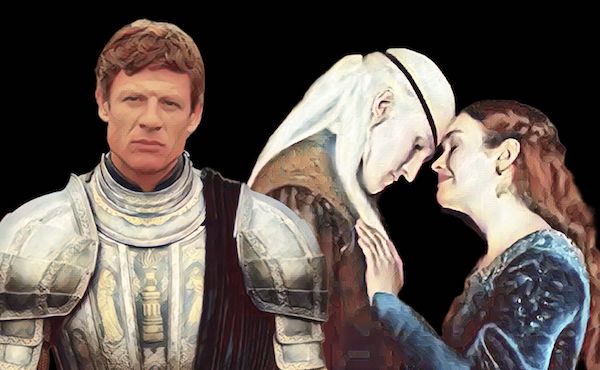
That is why the anticipation for the Season 3 teaser goes beyond simple curiosity. Viewers are looking for reassurance that the series has rediscovered its emotional balance between intimate drama and epic spectacle. They want to believe this story will reach its conclusion with the tragic intensity that made the Dance of the Dragons so compelling in Martin’s lore.
At its core lies a deeper fear: repeating the Game of Thrones experience, years of emotional investment followed by a rushed ending. Westeros taught its audience to love morally complex characters and devastating fates, but also showed how unmet expectations can turn enthusiasm into disappointment.
Perhaps that is why the mere promise of a teaser is enough to send the internet into a frenzy. This is not just a promotion for a new season of House of the Dragon. It is cautious hope that trust can be restored.
And in Westeros, trust has always been the rarest currency of all.
Descubra mais sobre
Assine para receber nossas notícias mais recentes por e-mail.
 miscelana.com