
Both thrilling and cruel, the teaser for the third season of House of the Dragon delivers one of the most painful images imaginable for fans and essentially confirms the tragedy that will shatter unsuspecting viewers: the death of Jacaerys Velaryon. This is not merely the fall of a beloved character, but the symbolic collapse of Rhaenyra’s hope. Jace was the prepared heir, the diplomat, the bridge between legitimacy and pragmatism. His loss marks the moment when the conflict stops being a political struggle and becomes irreversible destruction.
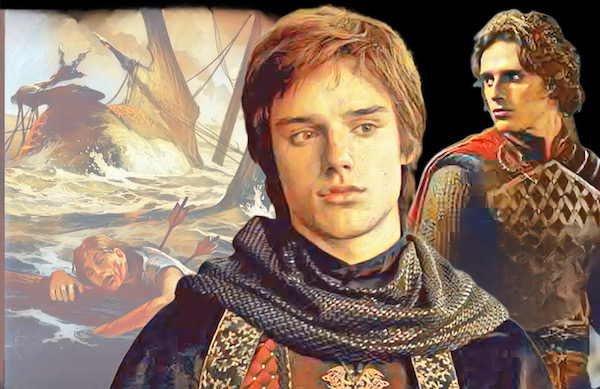
The production scale is immediately striking. Dragons in combat, mobilized armies, and devastated landscapes make it clear that battles will be the core of the season and explain where the budget has gone. After a second season often criticized for restraint and for the lack of major confrontations, the new chapter appears ready to fully embrace the epic scope promised from the start.
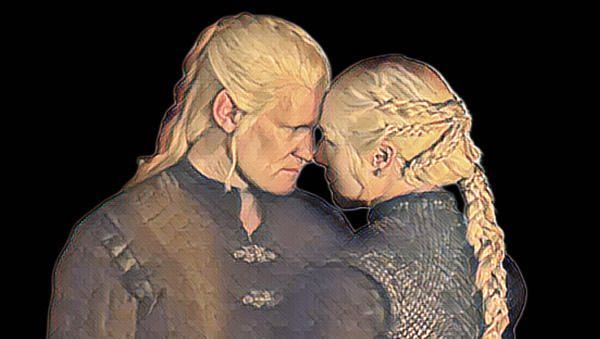
Narratively, however, the teaser reinforces that this is Ryan Condal’s version, not George R. R. Martin’s. The story resumes immediately after the meeting between Rhaenyra and Alicent, a development that does not exist in the original source. The series continues to frame the war as a personal tragedy between two women who were once friends and became enemies, shifting the focus away from Viserys’ ambiguous succession toward their inability to fully break from the past.
Jace’s warning to his mother not to trust Alicent feels like belated clarity. Over two seasons, the hesitation or naivety of both women has functioned as a catalyst for the war as much as — or even more than — Viserys’ indecision in the book. The adaptation reshapes the Dance of the Dragons into a tragedy of accumulated resentment and missed opportunities.
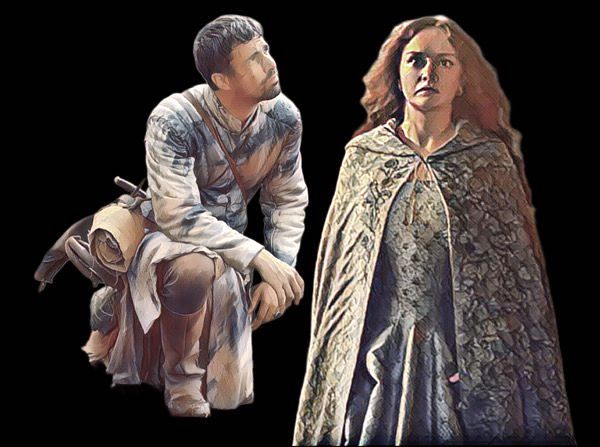
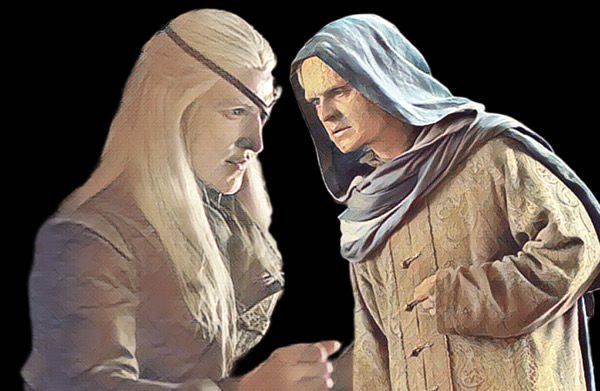
On the Green side, the power dynamic appears even more unstable. Aemond sits with near-regal comfort, as if the regency has evolved into an informal coronation. His posture suggests not only authority but conviction. The lingering question is whether he truly believes he is saving the realm or merely legitimizing his own ambition.
The claim that Aegon has abdicated is the most troubling alteration. In the original material, this never happens. Aegon II disappears for months while recovering from devastating injuries, but never renounces the throne. Turning that absence into abdication fundamentally reshapes the legitimacy of Aemond’s rule and makes his rise less circumstantial and far more overtly usurpatory. The fact that the teaser shows Aegon walking suggests his recovery is further along than previously seen, which could foreshadow a dramatic return or a major internal shift within the Green faction.
As for Alicent, her position remains ambiguous. She does not appear as an active strategist nor as a clear moral voice. What comes through instead is exhaustion and isolation, as if she has finally realized she has lost control over her sons and over the war she helped unleash. Season three may cement her as a classical tragic figure, someone who fought for power in the name of family, only to discover there is no family left to preserve.
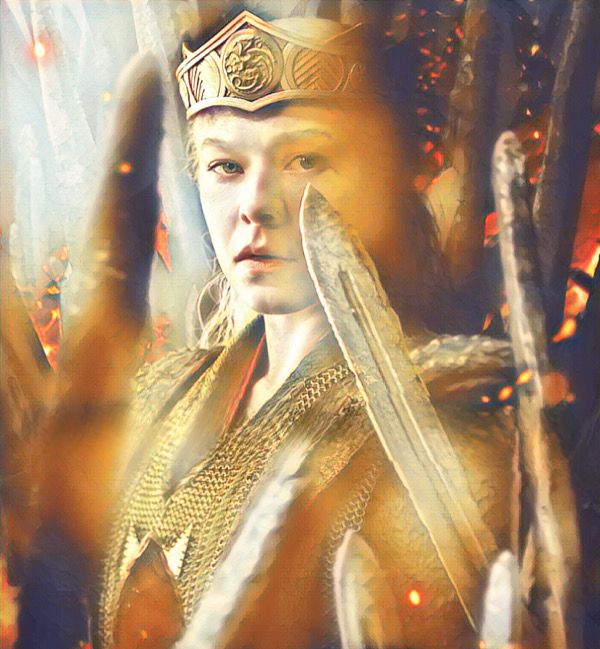
The dominant feeling of the teaser is not heroism but inevitability. There is no promise of a glorious victory, only the certainty that the human and dynastic cost will be catastrophic. The Dance of the Dragons emerges less as a war between sides and more as a machine of mutual destruction.
If the second season was about choosing sides, the third appears to be about surviving the consequences of that choice.
Descubra mais sobre
Assine para receber nossas notícias mais recentes por e-mail.
 miscelana.com