
The solo set to Donna Summer reflected a skater who seemed more interested in enjoying herself and skating fully than in winning an Olympic title. Or so it seemed. In reality, everything about that program was a quiet statement of confidence. The entirely gold costume, radiant under the arena lights, felt like a premonition. Alysa Liu did not simply skate to the top of the podium in Milan-Cortina 2026. She looked as if she already knew this was the inevitable conclusion of a story that had been interrupted and then reclaimed on her own terms.
Her victory ended a 24-year drought without a U.S. women’s Olympic gold medal, dating back to Sarah Hughes in 2002, but what makes it truly singular is that Liu almost was not there at all. A prodigy since childhood, U.S. national champion at 13 and widely seen as the natural heir to America’s skating tradition, she retired very young after the Beijing 2022 Games, physically and emotionally exhausted by expectations that had begun long before adolescence. During her time away, she built a life beyond the rink, went to university, traveled, and discovered an identity not dependent on technical scores or medals.
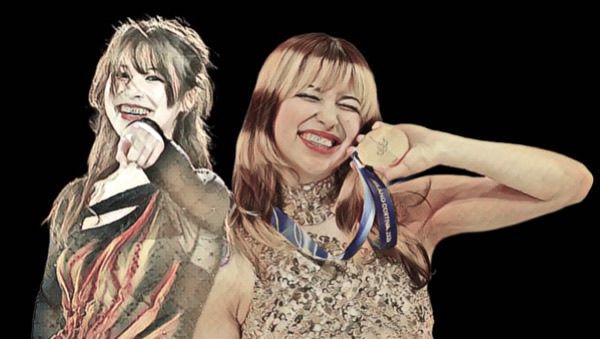
When she returned, she did not come back as an athlete desperate to recover lost time, but as someone who had completely redefined her relationship with competition. Her long hair, streaked with blonde highlights, became one of her most recognizable visual signatures and encapsulated that transformation. More than a practical choice for intense training, it symbolized a break from the traditional aesthetic of women’s figure skating, historically associated with immaculate buns and carefully controlled femininity. Liu returned with the look and attitude of someone not trying to embody an ideal, but to compete with freedom, speed, and authenticity.
That sense of autonomy was unmistakable in Milan. The Donna Summer program revealed an athlete radiating genuine joy in skating. The gold costume reinforced the celebratory mood, but what stood out most was her constant smile, visible even during the most technically demanding moments. In a sport often dominated by extreme tension, Liu appeared relaxed without losing precision. She delivered a fast, secure, highly musical free skate, landing seven clean triple jumps with a surging energy that turned the arena into something close to a dance floor.
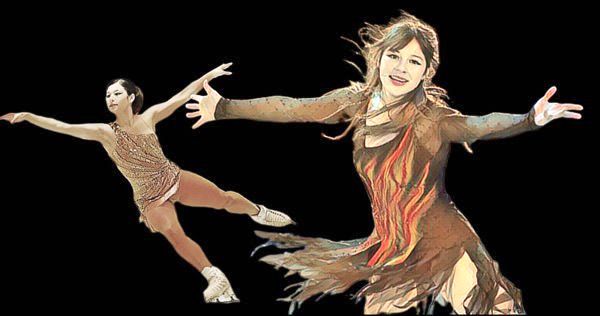
Beyond the individual event, her performance in the team competition helped solidify the confidence of the U.S. squad and highlighted a form of quiet leadership. Liu does not impose herself as a captain, but she functions as an emotional reference point for a generation that includes Ilia Malinin, the revolutionary force in the men’s field. Together, they symbolize a new era of American skating, technically bold and less constrained by historical expectations. The mutual respect and camaraderie between them suggest a competitive environment that is healthier, more collaborative, and aware of its cultural influence.
Liu’s impact extends far beyond medals. For young skaters, she represents the possibility of a career that is less linear and less sacrificial, where pausing does not mean failure and prioritizing mental health is not seen as weakness. She also expands the range of identity within the sport, challenging standards of appearance and behavior that for decades were treated as almost mandatory.
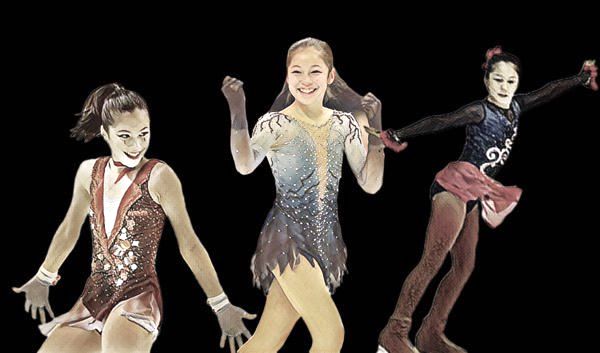
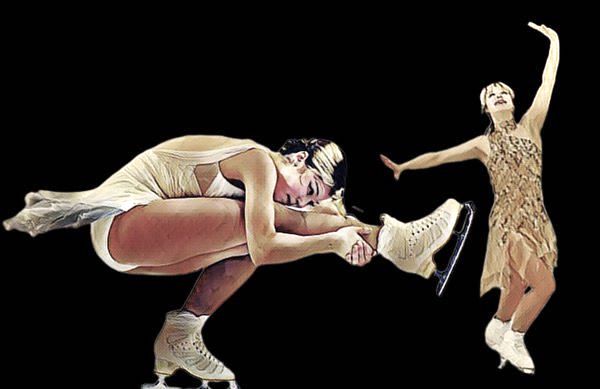
In Milan-Cortina 2026, Alysa Liu did more than confirm her extraordinary talent. She redefined what it means to be an Olympic champion in contemporary figure skating. Her greatest legacy may not be the title itself, but the idea that excellence and autonomy can coexist and that it is possible to reach the top without giving up who you are.
Descubra mais sobre
Assine para receber nossas notícias mais recentes por e-mail.
 miscelana.com