
Nick Reiner’s return to court this Monday, February 23, 2026, definitively transformed a family tragedy into an open legal confrontation. Before the Los Angeles County Superior Court, the son of director Rob Reiner pleaded not guilty to two counts of first-degree murder related to the deaths of his parents, Rob and Michele Singer Reiner, who were fatally stabbed inside the family’s Brentwood home in the early hours of December 14, 2025. The arraignment hearing, the stage at which a defendant is formally informed of the charges and states a plea, not only formalizes the criminal proceedings but also establishes the tone of the legal battle that will follow.
Nick, 32, appeared visibly subdued, wearing a beige jail uniform, his head shaved and his body hunched forward inside the glass enclosure reserved for defendants in custody. During the hearing, he spoke only to agree to waive his right to a speedy trial, a strategic decision common in complex cases that require additional time for defense preparation. Judge Teresa McGonicle formally entered two not-guilty pleas into the record with the defendant’s consent.
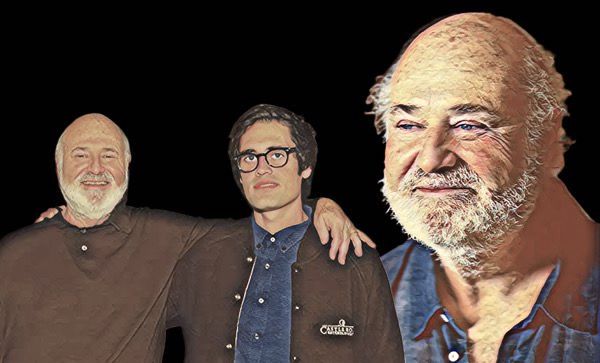
He faces two counts of first-degree murder with the special circumstance of multiple victims, as well as an allegation of using a deadly weapon, a knife, which could significantly increase the sentence if he is convicted. Nick remains held without bail at the Twin Towers Correctional Facility in Los Angeles.
Prosecutors confirmed that they are considering seeking the death penalty. District Attorney Nathan Hochman said the decision is still under review and that the defense has been invited to submit formal arguments, both in writing and in person, before prosecutors determine whether to pursue that option. According to him, the case is proceeding on schedule, although authorities are still awaiting final reports from the coroner. Most of the evidentiary material has already been turned over to defense counsel.
The arraignment had originally been scheduled for January 7 but was postponed after criminal defense attorney Alan Jackson requested to withdraw from the case. He did not publicly explain his reasons, citing ethical obligations, although he later stated that he continues to believe in his client’s innocence. The defense was then assumed by Los Angeles County public defender Kimberly Greene, who requested the new delay until today.
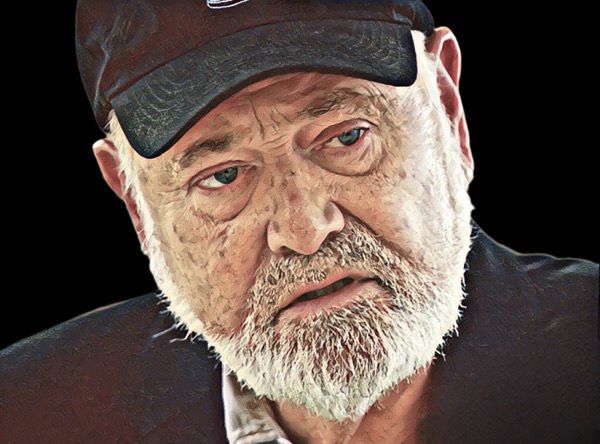
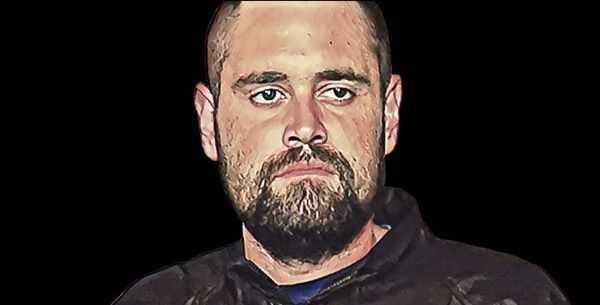
Rob Reiner, 78, and Michele Singer Reiner, 70, were found dead in the primary bedroom of their home by paramedics who had been called to the scene. Authorities said the couple was killed in the early morning hours. Nick was arrested later that same day, around 9:15 p.m., in the Exposition Park area, about 15 miles from his parents’ home. Security footage shows police confronting him as he crossed a street before taking him into custody.
In addition to the primary charges, the case includes special allegations that could increase the severity of punishment, such as multiple homicides and the use of a dangerous weapon. These legal qualifications do not determine guilt but expand the range of possible penalties if a jury returns a conviction.
The next major step will be the preliminary hearing scheduled for April 29, when the court will assess whether sufficient evidence exists for the case to proceed to trial. Until then, the defense will review the prosecution’s materials and develop the strategy supporting the claim of innocence.
What is emerging, therefore, is a long and highly contested process in which the extreme violence of the events coexists with complex legal issues and potentially with debates over mental health and criminal responsibility. The not-guilty plea does not end the controversy; it merely shifts the focus from investigation to evidence and courtroom narrative, where every detail will be examined according to technical rather than emotional criteria.
More than an isolated procedural moment, Monday’s hearing marks the definitive passage of a devastating story into the unforgiving logic of the criminal justice system, where the objective is not to understand pain but to determine responsibility. From this point forward, Nick Reiner’s fate will depend less on public outrage and more on each side’s ability to persuade the court about what truly happened that morning and how the law should respond to it.
Descubra mais sobre
Assine para receber nossas notícias mais recentes por e-mail.
 miscelana.com
1 comentário Adicione o seu