
Few films have aged with as much dignity as Heat. Released in 1995 in the United States and arriving in many other countries only in 1996, Michael Mann’s crime epic was not a failure, but neither was it the phenomenon that today seems inevitable. Over time, something rare happened. Instead of fading, it grew. It was rediscovered on television, VHS, DVD, and later in lists of the greatest films ever made. For many viewers, it became not just a great crime movie but the definitive one, an adult, melancholic,c and almost existential portrait of male obsession and professional solitude.
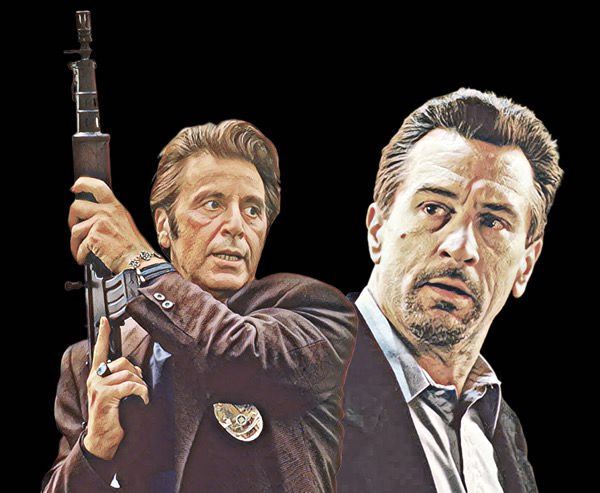
The story is rooted in a real case from Chicago. The criminal Neil McCauley truly existed and was pursued for years by detective Chuck Adamson. The two men even met face to face and spoke over coffee, an episode that directly inspired the film’s most famous scene. McCauley later died in a confrontation with police. Michael Mann had already explored this story in a little-known television film in the late 1980s, but Heat became the definitive version, expanded and transformed into an urban tragedy. It is not simply a movie about robberies. It is about two men who recognize the same obsession in each other and understand from the first encounter that one of them will have to die.
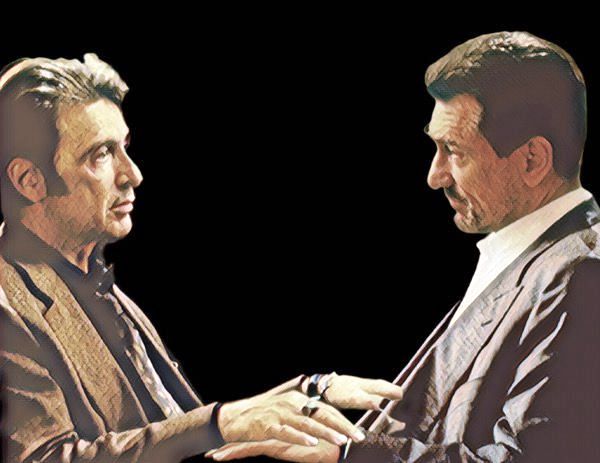
The project’s mythic dimension also came from its casting. Marketing and public curiosity revolved around one specific event. Robert De Niro and Al Pacino would appear in the same film for the second time, but for the first time, they would share a scene. In The Godfather: Part II, they existed in different timelines and never interacted. In Heat, Michael Mann structured the entire narrative as an inevitable path toward that meeting. The restaurant conversation, seemingly casual, is in fact a philosophical duel between two men who live by nearly identical codes and know they cannot coexist. It is said that the actors chose not to rehearse togethertoo preserve the tension. The result is a scene that feels suspended in time, intimate and threatening at once, as if fate itself were sitting at the table.
Another element that cemented the film’s reputation was the bank robbery followed by the gun battle through the streets of Los Angeles. The sequence is often cited as the most realistic action scene ever filmed. Mann sought military precision, intensive training for the actors, and live capture of weapon sounds rather than artificial effects. The city becomes an urban battlefield, stripped of glamour and heroic scoring. Decades later, filmmakers and experts still point to this sequence as a technical and dramatic benchmark, not only for its spectacle but for its palpable sense of chaos and danger.
Despite all this ambition, the initial reception was more restrained than today’s reputation suggests. The film earned a respectable worldwide box office total but did not dominate awards season or become an immediate popular sensation. It was long, dark, emotionally distant, and uninterested in easy catharsis. In other words, it demanded something from audiences that Hollywood rarely asks of a major production. Recognition came later, as the film began to be understood as a study of obsession and identity rather than merely crime. Hanna and McCauley are mirror images, men incapable of life outside their work, doomed to destroy any attempt at intimacy. This tragic dimension explains why the film has aged better than many of its contemporaries.
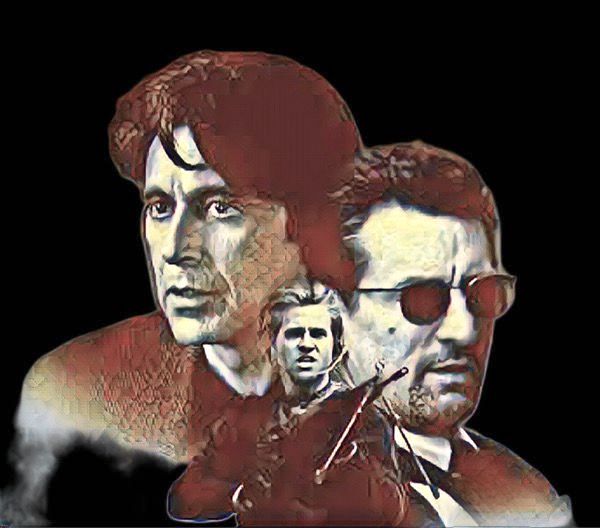
The growing cult status also reflects Michael Mann’s unmistakable style. Los Angeles is not merely a backdrop but a character, a cold, luminous,s and lonely metropolis. Every member of the crew has a past, motivations, ns and vulnerabilities, even when their screen time is brief. McCauley’s code, which insists on never becoming attached to anything you cannot abandon in seconds, has become a cultural mantra, invoked in discussions about masculinity, career, and emotional detachment.
Decades later, the idea of a continuation seemed unlikely until Mann himself chose to return to this universe. In 2022, he published the novel Heat 2, co-written with Meg Gardiner, functioning simultaneously asa prequel and a sequel. The book follows younger versions of the protagonists, explores the gang’s past, and reveals what happens to Chris Shiherlis after the original film’s ending. It also expands the narrative into other countries and the international underworld, suggesting a far broader scale than the Los Angeles-centered story.
The film adaptation of this material has since been confirmed and has become one of the most anticipated projects in contemporary cinema. Michael Mann returns as director and screenwriter, ensuring stylistic and thematic continuity. The production has changed studios and is now associated with Amazon MGM, with an ambitious budget and scope. Casting choices clearly aim to recreate the symbolic impact of the original. Leonardo DiCaprio and Christian Bale have been confirmed as leads, two actors whose dramatic weight and status echo that of De Niro and Pacino in the 1990s. While character details remain largely undisclosed, they are expected to portray younger versions of key figures or central characters tied to the story’s dual timelines.
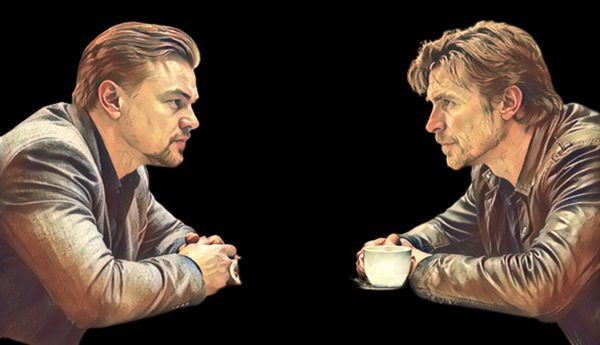
The narrative is expected to move across different periods and multiple locations, including Chicago, Mexico, and countries in South America and Asia, transforming the sequel into a global crime saga. The original cast is unlikely to return, both for narrative reasons and because of the passage of time, as well as the death of Val Kilmer. The focus is clearly on a new generation that engages with the mythology of the 1995 film without attempting to replicate it directly.
Hollywood’s determination to produce Heat 2 reveals something about the original film’s status. It is not merely remembered with nostalgia but treated as a nearly unattainable standard of adult crime cinema. Revisiting this universe means attempting to recapture the blend of spectacle, psychological depth,h and fatalism that made the original a late-blooming classic. If the new film achieves even part of that power, it could become one of the most significant cinematic events of the decade. If not, it may serve as a reminder that certain films belong to a specific cultural moment and cannot truly be recreated.
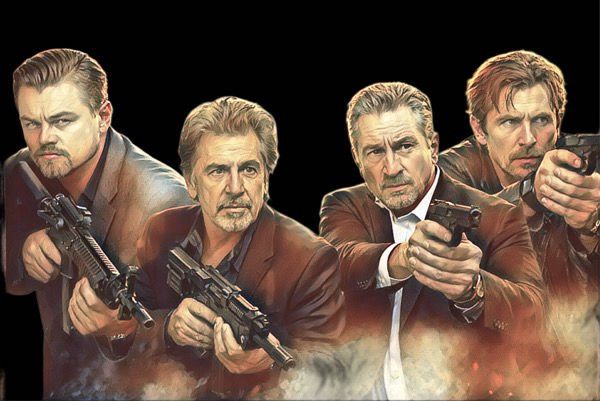
The fact that we are still discussing Heat thirty years later is itself proof of its singularity. Few works cross generations without losing relevance. Even fewer transform a story about cops and robbers into a meditation on destiny, identity ty and loneliness. That symbolic weight is what makes the confirmation of Heat 2 so compelling. It is not merely a sequel but an inevitable confrontation with a myth that cinema itself helped create.
Descubra mais sobre
Assine para receber nossas notícias mais recentes por e-mail.
 miscelana.com
1 comentário Adicione o seu