
The SAG Awards — or the Actors Awards, as they are now called — remain the most honest dress rehearsal for the Oscars, not because they get everything right, but because they reveal the true mood of the people who actually make the industry run: actors. This year’s ceremony had exactly that feeling of backstage candor, functioning as both an emotional and political barometer, alternating between inspired moments, awkward ones, and a few that may prove truly decisive for the final race. Best of all? It partially scrambled both the Emmys and the 2026 Oscars.
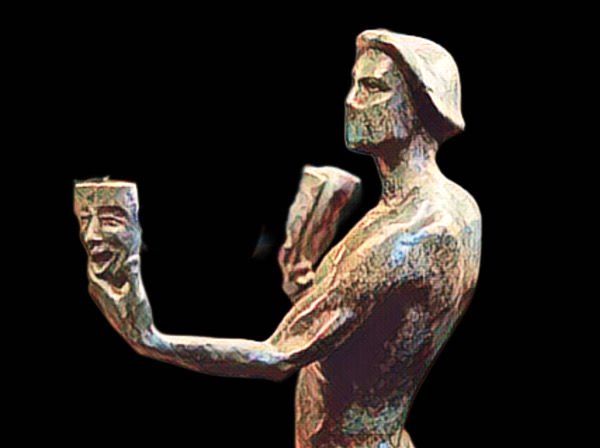
The opening was once again confidently handled by Kristen Bell, who is steadily building a strong case to one day host the Oscars. She can sing, dance, and deliver humor that respects her peers while reserving the sharper jokes for herself, precisely the tone Hollywood and broadcasters tend to prefer, because it is safe without necessarily being dull. She also avoids the frantic artificiality that plagues many awards shows.
On a night notably free of overt political speeches, the atmosphere felt like an important industry gathering, essentially actors among actors (and Ted Sarandos, of course).
The first part of the ceremony focused on television and streaming nominees, and the first major question mark arrived far too early. Best Actress in a Drama Series went to Keri Russell for The Diplomat. What happened there? The season’s most talked-about, celebrated, and debated productions (from Apple TV+ and HBO) were in contention, yet the most understated — not to say weakest — option, and the only Netflix representative in the category as the event was broadcast exclusively by Netflix, took the prize. Even though the show’s success intrigues me, opening the night with that result felt strange, almost disorienting. That said, for viewers with no particular expectations, Russell delivered a surprisingly warm and graceful speech, reminding everyone that, regardless of external narratives, she is a respected and accomplished professional.


In Best Actor in a Comedy Series, Seth Rogen’s victory was confirmed. Had he lost, it would have been difficult not to question the voting seriously. Personally, there was a nostalgic desire to see Martin Short honored again, but the night clearly belonged to Rogen. What felt odd, however, was the lack of any meaningful mention of Catherine O’Hara, whose presence — even indirectly — hovered over the category. It would make sense shortly afterward.
The party’s lighter tone shifted noticeably when the cast of Frankenstein took the stage. They appeared tense, uncomfortable, not entirely at ease, and the jabs about “films by humans for humans” did little to soften the atmosphere. It was one of those moments when the message may be valid, but the delivery makes everything awkward.
Michelle Williams then won her second SAG (Actors) Award as Best Actress in a Limited Series for Dying for Sex, positioning her as the clear frontrunner for the same category at the Emmys in September.

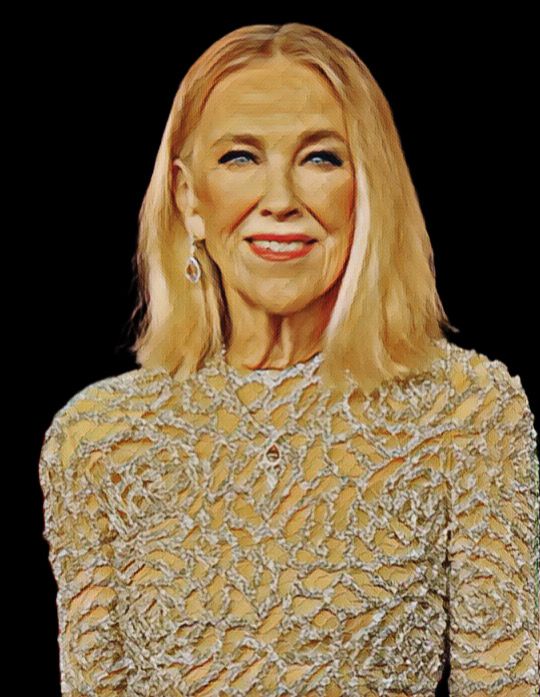
The team behind One Battle After Another presented their film, leading into one of the most emotional moments of the night: Best Actress in a Comedy Series. In recent years, the award has belonged to Jean Smart for Hacks, but in 2026, Catherine O’Hara, nominated for the fifth time, won what would have been her second SAG Award. It was devastating because she had been nominated before her death just weeks earlier, as she was about to begin filming the second season of The Studio. The posthumous tribute prompted a visibly shaken Seth Rogen to return to the stage, unable to hide his emotion. The audience and cast mirrored that tone. It was one of those rare instances when an awards show stops being a competition and becomes a memorial.
From a technical standpoint, the broadcast made some puzzling choices. The recurring camera angle of actors speaking downward toward the audience flattered no one, creating an unintended sense of distance. Combined with long, meandering scripts lacking focus, the ceremony occasionally felt sluggish.
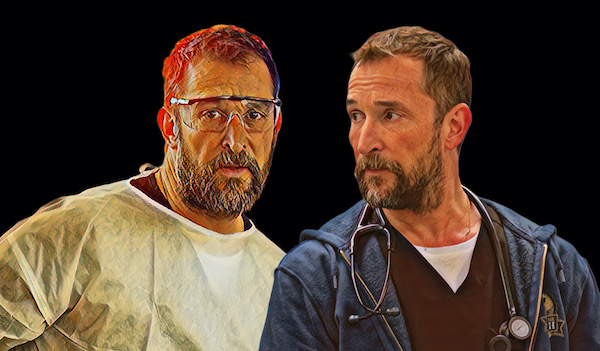
In Best Actor in a Drama Series, Noah Wyle solidified the dominance he has been building throughout the season. At that point, only Keri Russell’s earlier win remained a true mystery.
The Studio won Best Ensemble in a Comedy Series, confirming its status as the current favorite. Still, the reaction felt oddly subdued, perhaps because the cast is in the middle of filming the new season — or simply unsure how to play the moment for laughs. Kristen’s Pluribus bit did not quite land.
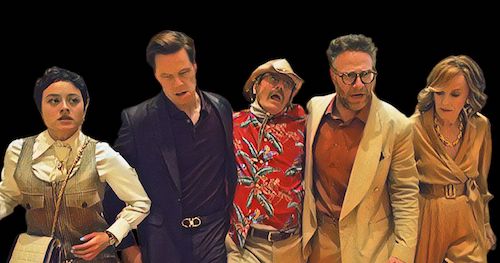
On a purely personal note, the Netflix broadcast — free of traditional commercial breaks and commentators — was a pleasure. There is something liberating about it: time to observe, notice details, and analyze trends, especially with the Emmys already on the horizon.
Best Actor in a Limited Series went to Owen Cooper for Adolescence, an outcome that felt inevitable. The production is no longer new, but it remained eligible and continued to dominate the category.
Best Ensemble in a Drama Series went to The Pitt, as expected, although the victory feels somewhat inflated given the competition. It was one of the most contested categories of the night and perhaps the most revealing of voters’ current preferences. I like The Pitt, but I would not rank it above The White Lotus, for example. Still, it now looks like a strong contender for a second Emmy in September.
The first half of the night clearly belonged to television; the second shifted fully to film. The tribute to romantic comedies, threaded through references to Rob Reiner, served as a warm, nostalgic interlude, reminding audiences of a genre that shaped generations and now struggles to survive.

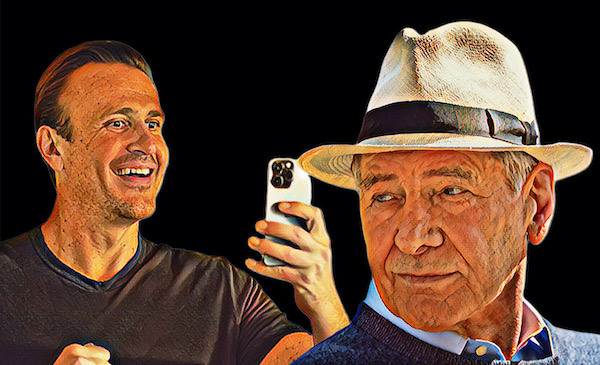
Following the BAFTAs, Sean Penn won Best Supporting Actor, effectively reshaping the Oscar race. Suddenly, he emerges as the frontrunner in what had seemed an unusually open category. Yes, he now appears headed toward a third Oscar.
Harrison Ford received an Honorary Award, and the tribute was moving largely because of his own reaction, a mix of surprise, humility, and genuine gratitude, qualities increasingly rare at events of this scale. The collective emotion in the room was so intense, however, that it almost felt like a farewell. Let’s hope not.
The night’s best news for me was Amy Madigan’s win for Best Supporting Actress. Although she had not been the frontrunner up to this point, the enthusiasm in the room was palpable. A great actress finally enjoying her major moment, with a confident, witty speech free of self-pity. She instantly became a serious Oscar contender for Weapons.
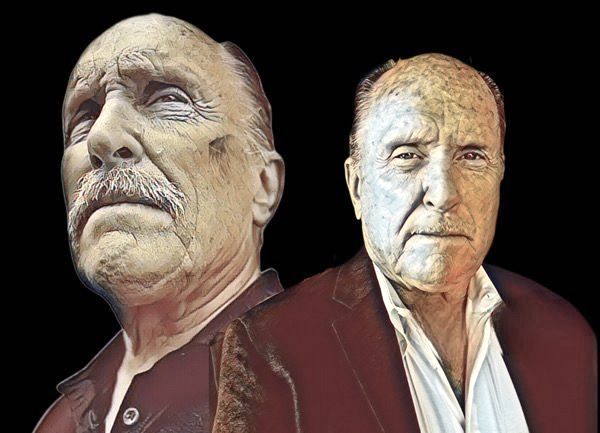

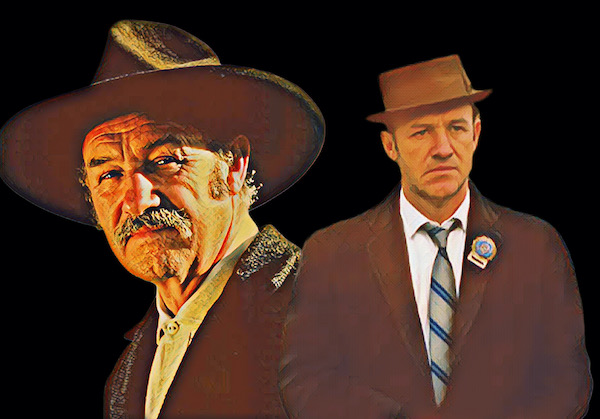
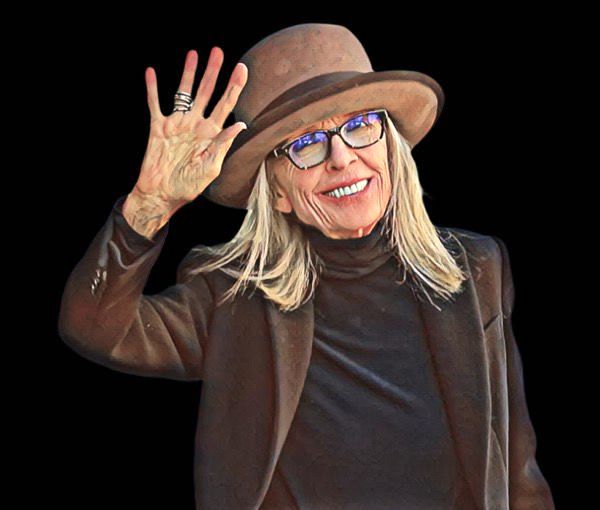
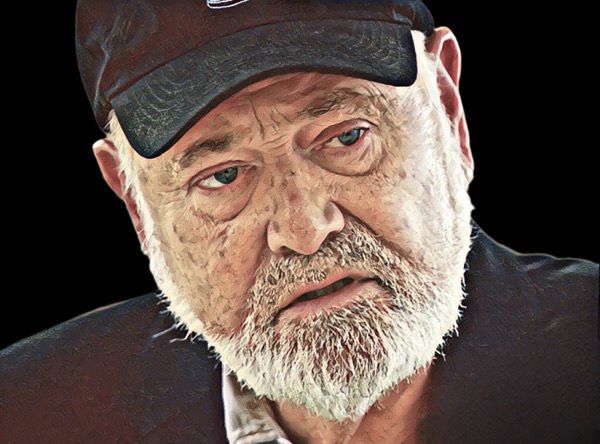
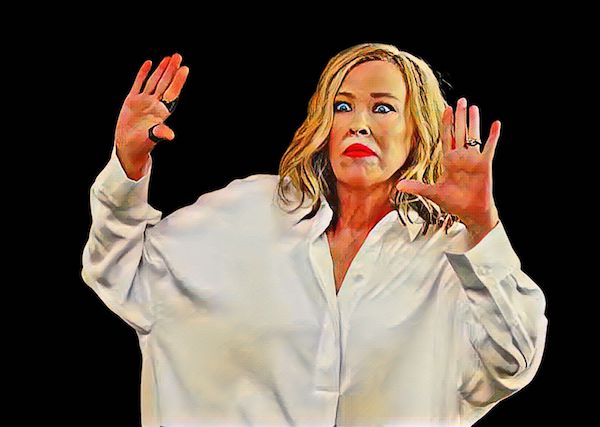
The In Memoriam segment, presented by Sarah Paulson with Cynthia Erivo’s recording of “Everytime You Go Away,” was devastating. Not only because of the performance itself, but because of the succession of tragic, unexpected, and historic losses over the past twelve months. The message of peace that followed, accompanied by the song from Sinners, extended the emotional impact.
Then came what many considered inevitable: Jesse Buckley confirmed an almost flawless season by winning again for Hamnet, cementing her status as the overwhelming Oscar favorite. Paradoxically, her speeches remain understated and not especially memorable, reinforcing the contrast between the power of her work and her reserved public persona.
One of the night’s most decisive moments followed. Michael B. Jordan won Best Actor, a surprise that was as deserved as it was unexpected. Sinners has been a global phenomenon, yet there was a sense that other contenders were more firmly positioned. The camera captured the tense reaction at Marty Supreme’s table, nearly as revealing as Jordan’s genuine emotion onstage. When the film also won Best Ensemble, the narrative of a locked Best Picture race suddenly looked far less certain.

A deeply emotional Delroy Lindo turned his acceptance into a spontaneous tribute to his own journey and to the profession itself. He lost his train of thought, recovered, faltered, and precisely for that reason delivered one of the most human speeches of the evening.
In the end, the anticipation surrounding Timothée Chalamet created an uncomfortable side effect. Kristen Bell’s running joke about him as the “best ping-pong player” felt harmless earlier, but without a Best Actor win, the callback landed almost cruelly, especially as Sinners was still celebrating onstage.
With these results, the race now heads toward March 15 with far fewer certainties than previously assumed. Ultimately, the 2026 Actors (SAG) Awards fulfilled their essential role: scrambling predictions, exposing the industry’s internal sensibilities, and reminding us that when actors vote for actors, the outcome is rarely purely technical. It is emotional, political, personal, and sometimes deeply unpredictable. That is exactly why Hollywood takes this prize so seriously.
Descubra mais sobre
Assine para receber nossas notícias mais recentes por e-mail.
 miscelana.com