
In recent days, a comment by Timothée Chalamet sparked a small cultural storm after the actor suggested that art forms such as opera and ballet were things “nobody cares about anymore.” The remark quickly circulated online and opened an interesting discussion for 2026: what place do these art forms still occupy in contemporary culture?
If anyone needs a quick answer, they could simply look at the newly announced program of the Theatro Municipal do Rio de Janeiro. The theatre’s 2026 season offers the opposite argument. Throughout the year, its stage will host symphonic music, major operatic works, and classical ballet, creating a calendar that reads almost like a map of Western music history.
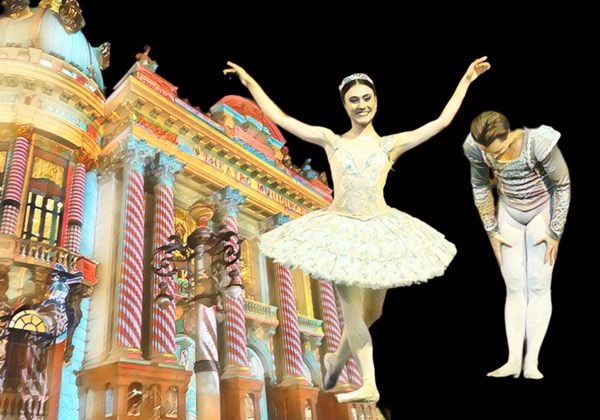
The season opens this month with a special concert celebrating the 270th anniversary of Wolfgang Amadeus Mozart, featuring one of his most impressive works, the Great Mass in C minor. It is a fitting choice to begin the year by returning to the heart of the classical repertoire.
Shortly afterward comes one of the theatre’s most beloved traditions: the educational concert. Presented twice, it is designed to introduce audiences to orchestral music and often serves as a first encounter with the concert hall for families and younger listeners.
In April, the theatre responds directly to public demand. After the huge success of last September’s production, Carmina Burana returns to the stage. Composed by Carl Orff, the work has become one of the most powerful choral experiences of the twentieth century, and its revival was practically requested by audiences through social media, email,s and phone calls.
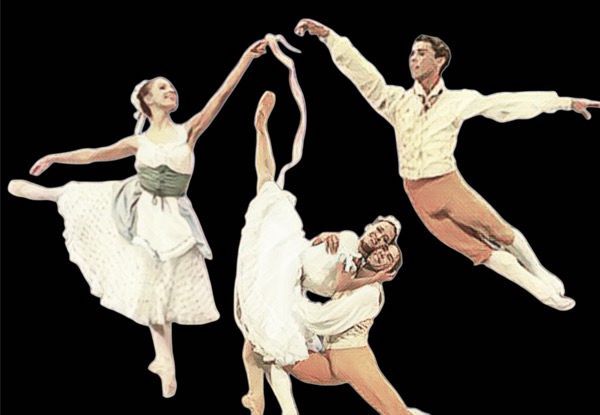
May brings the return of the Ballet of Theatro Municipal with La Fille Mal Gardée, one of the most charming titles in the classical ballet repertoire, beloved for its humor and pastoral atmosphere.
In June, the focus shifts to Brazilian music, highlighting national composers and reaffirming the theatre’s role not only as a guardian of European repertoire but also as an important platform for Brazilian cultural production.
July marks a historic moment. Celebrating the theatre’s 117th anniversary, the stage will present a work not seen there for nearly eighty years: Salvator Rosa, by Brazilian composer Carlos Gomes.
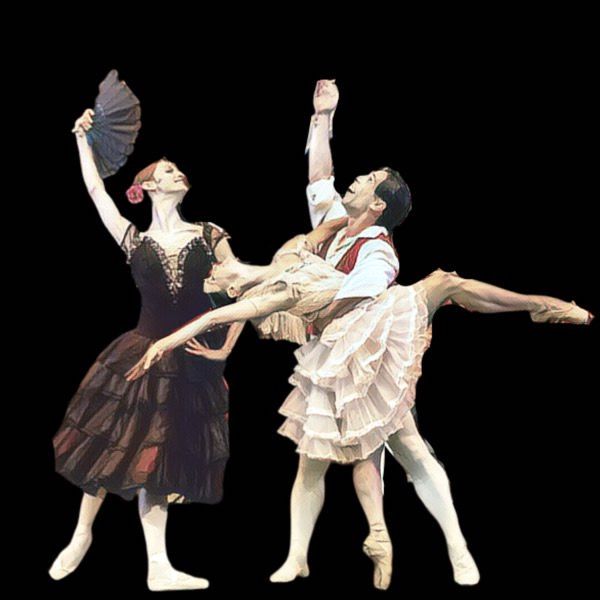
In August, ballet returns with another iconic title, Don Quixote, inspired by the famous novel by Miguel de Cervantes, one of the most vibrant and technically demanding works in the ballet repertoire.
September will host the Opera Workshop Festival, now in its fourth edition, presenting works such as Cavalleria Rusticana by Pietro Mascagni, Il Campanello by Gaetano Donizetti, and scenes from L’incoronazione di Poppea by Claudio Monteverdi.
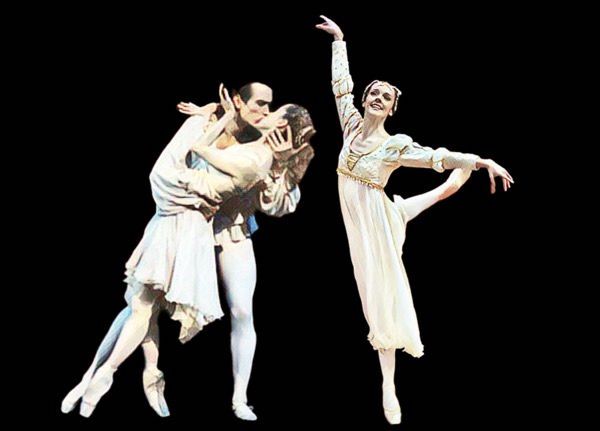
In October, the ballet company premieres a new production of Romeo and Juliet, based on the timeless story created by William Shakespeare.
November will celebrate the centenary of Turandot, the monumental opera by Giacomo Puccini, presented in collaboration with the Theatro Municipal de São Paulo.
And, as tradition dictates in Rio’s cultural calendar, December closes the season with The Nutcracker, a production that has long become synonymous with the holiday season.
Across twelve months, the program traces a journey from Mozart’s sacred music to Puccini’s operatic grandeur, passing through classical ballet, Italian opera,ra, and Brazilian compositions. It is a reminder that even in an era dominated by algorithms, streaming platforms, and social media, some experiences remain irreplaceable: stepping into a historic theatre, hearing a live orchestra, and discovering that certain art forms are far more alive than many assume.
Descubra mais sobre
Assine para receber nossas notícias mais recentes por e-mail.
 miscelana.com