
For decades, it seemed inevitable that Kay Scarpetta would make it to the screen. The character created by Patricia Cornwell first appeared in 1990 in the novel Postmortem and quickly became a publishing phenomenon. The books sold millions of copies, were translated into dozens of languages, and helped redefine crime fiction by placing a medical examiner at the center of the investigation. And yet something curious happened: while television became obsessed with forensic storytelling, the character who helped inspire that trend never appeared on TV.
It is almost a historical paradox.
For decades, readers and television producers asked the same question: why had Kay Scarpetta — one of the most influential forensic characters in crime fiction — never become a television series?
And yet Scarpetta herself never appeared on television.
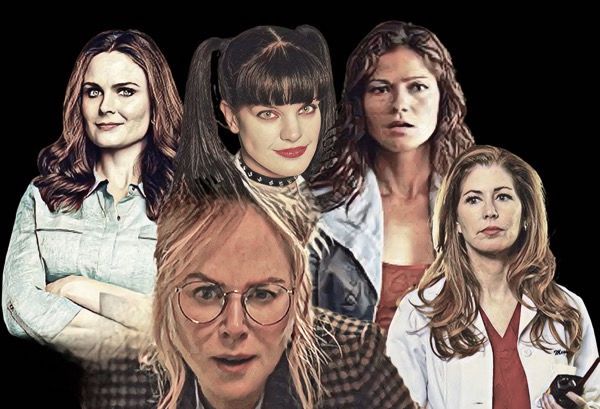
Over the years, several adaptation attempts were announced and then abandoned. Hollywood tried to develop Scarpetta as a film franchise and later as a television series, but none of those projects managed to find the right format. The industry imagined major stars playing the character. Actresses such as Angelina Jolie, Demi Moore, and Jodie Foster were linked to adaptation projects that never moved forward.
There are practical reasons for that. Cornwell’s novels are deeply technical, built around scientific procedures, autopsies, laboratory analysis, and the protagonist’s internal reflections. That structure works extremely well in crime fiction but has long been considered difficult to translate into audiovisual storytelling.
It was only with the rise of streaming television that Scarpetta finally found a format that could contain it.
By the time the story finally arrived on streaming platforms, the genre Scarpetta helped inspire had already changed.
Today’s crime series tend to favor emotionally fractured protagonists: obsessive detectives, investigators haunted by personal trauma, characters navigating moral ambiguity. Within that landscape, Kay Scarpetta almost feels like a figure from another era, a brilliant professional who believes the truth can still be discovered through scientific precision.
It is in this context that the series starring Nicole Kidman attempts to reposition the character.
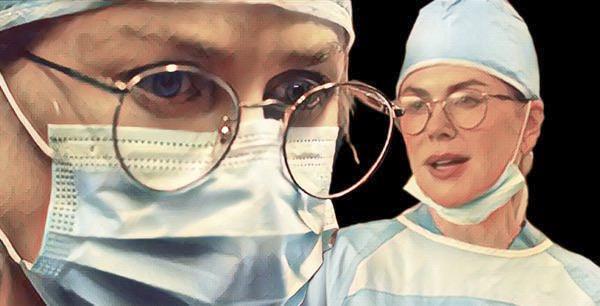
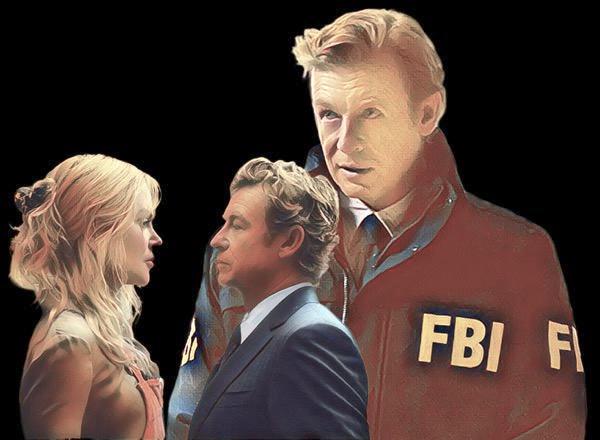
The production also marks the first on-screen collaboration between Kidman and Simon Baker, two actors who have been friends for years in real life. Kidman has mentioned in interviews that she had long wanted to work with Baker, something that surprisingly had never happened before.
Baker arrives carrying a very specific television legacy. For years, he played Patrick Jane in The Mentalist, a character whose almost supernatural observational skills allowed him to solve crimes through psychological insight. That legacy remains visible. At times in Scarpetta, Baker still seems to inhabit something of that world, as if the same analytical gaze had crossed from one series into another.
If Baker brings a certain cerebral elegance to the narrative, the performance of Jamie Lee Curtis produces a very different effect. Her acting closely resembles the register she used in The Bear: a nervous, explosive performance in which characters constantly talk over one another. This technique, associated with the overlapping dialogue style popularized by director Robert Altman, can be fascinating when used sparingly. Across an entire series, however, it quickly becomes exhausting.
The result is curious. At times, Scarpetta almost feels like an episode of The Bear relocated inside a police procedural, while Baker seems to operate in a more classical investigative register.
Amid these tonal tensions, one of the most pleasant surprises of the series is the work of Rosy McEwen as the younger version of the protagonist. McEwen avoids the common trap of simply imitating Nicole Kidman. Instead, she captures subtle gestures, posture, and vocal rhythm. The effect is remarkably convincing, creating the sense that we are watching the same character at two different moments in her life.
It is precisely in this temporal structure that the series also reveals one of its main weaknesses. The narrative constantly moves back and forth between past and present. In theory, this structure should deepen the character. In practice, it often produces the opposite effect. The flashbacks end up working better than the present-day storyline, while the central plot seems repeatedly interrupted by layers of the past.
In the end, Scarpetta reveals something more interesting than the long-delayed adaptation of a famous literary character. It exposes a quiet shift within television itself. For years, we believed science could explain crime, that following the evidence would lead inevitably to the truth.
Kay Scarpetta was born in that world.
The question the series raises now is different: does television still believe that today?
Descubra mais sobre
Assine para receber nossas notícias mais recentes por e-mail.
 miscelana.com
1 comentário Adicione o seu