
The first teaser for Dune: Part Three does not operate as a simple preview but as a statement of intent, and perhaps that is its most powerful gesture, because instead of selling spectacle, it reframes everything that came before, shifting the narrative from ascension to an inevitable story of consequence, in which Paul Atreides no longer occupies the position of a hero in formation but that of a fully established emperor, carrying in his gaze and posture the weight of decisions that have already escaped his control.
The choice to begin with more intimate, almost silent images, especially in the scenes that suggest the relationship between Paul and Chani, now pregnant, is a precise narrative move, because it immediately creates a contrast with the scale the film soon assumes, as the teaser opens into a scenario of massive warfare, with organized armies, crowds in states of devotion and the desert of Arrakis transformed not into a place of survival but into a stage of political and military domination, where the Fremen are no longer merely a resistance force but an instrument of empire.

The time jump of more than a decade, perceptible both in the characterization and in the atmosphere, completely reorganizes the axis of the story, because it places us in a world where the so-called jihad has ceased to be a future threat and has become an ongoing reality, something the teaser suggests through fragmented images of destruction and reverence, creating an uneasy association between faith and violence that lies at the core of the work of Frank Herbert and that Denis Villeneuve appears determined not to soften.
Among the most discussed elements is the introduction of Alia Atreides, whose presence is only hinted at but enough to indicate that the film will embrace one of the most unsettling aspects of the mythology, while the appearance of a new character played by Robert Pattinson expands the political axis of the narrative, suggesting a plot of conspiracy and infiltration that shifts the conflict into the very core of Paul’s empire, reinforcing the sense that this chapter will be less about conquest and more about erosion.
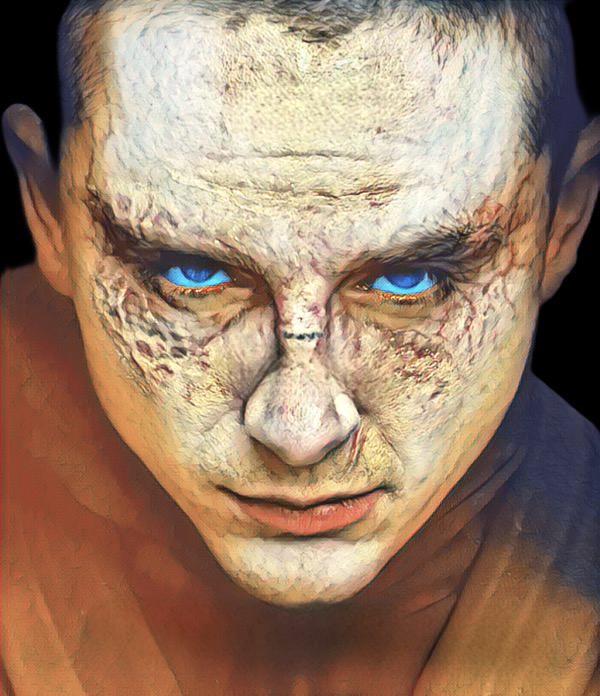
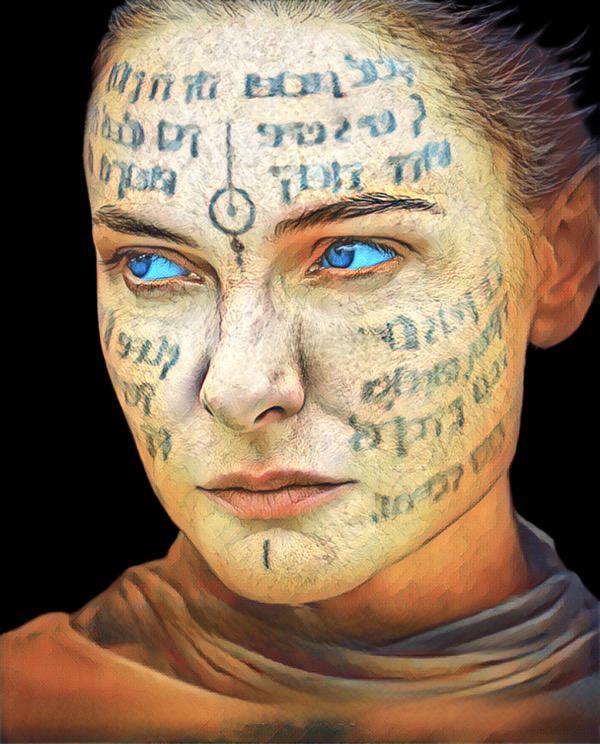
Visually, the teaser reaffirms the ambition that has turned the franchise into one of the defining cinematic events of its time, with images that expand the already established scale of the previous films, particularly in the sequences of collective movement, in which the presence of the sandworms ceases to be mere spectacle and becomes part of the military logic of the world, creating an iconography of war that merges religion, politics and brute force in an almost operatic way, which fully justifies the use of the word epic not as an empty adjective but as a formal definition of a work that engages with time, space and destiny on a deliberately monumental scale.
The reaction from fans follows this tonal shift and reveals something interesting about the place the saga now occupies, because while there is immediate enthusiasm for the visual grandeur and the promise of an even larger spectacle, there is also a more mature awareness that the story is moving toward a more uncomfortable territory, especially among readers who recognize in the teaser clear signs that the adaptation of “Dune Messiah” will remain faithful to the most controversial aspect of the original material, the one that dismantles the figure of the savior and exposes the human and political cost of his existence.
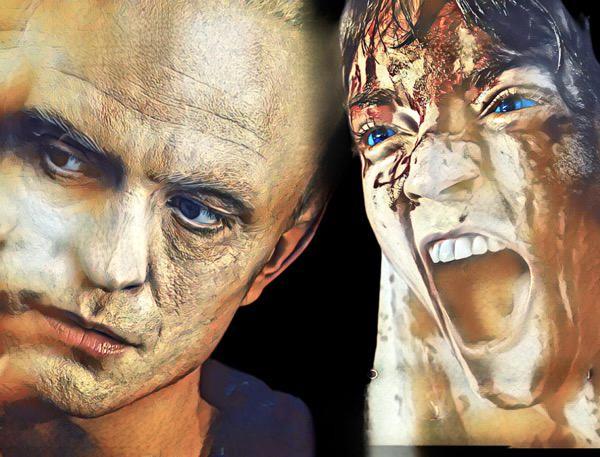
This dual movement between fascination and unease may be the teaser’s greatest achievement, because it prepares the audience not for the repetition of a successful formula but for a narrative inflection that transforms spectacle into reflection, suggesting that the true conflict of Dune: Part Three lies not only in the battles that will unfold on screen but in the impossibility of reconciling absolute power with humanity.
With a release scheduled for December 2026, the film arrives surrounded by expectations that go beyond box office performance or visual impact, because it proposes to conclude a trilogy that, from the beginning, has positioned itself as something more ambitious than a science fiction adaptation, functioning as a meditation on leadership, belief and destiny, and the teaser makes it clear that instead of offering comfortable answers, the conclusion of this story will deepen its questions, turning the epic into something rarer and more lasting, an experience that endures precisely because it refuses to simplify what is most complex about human nature.
Descubra mais sobre
Assine para receber nossas notícias mais recentes por e-mail.
 miscelana.com
1 comentário Adicione o seu