
The addition of Robert Pattinson to the cast of Dune: Part Three was not treated as a conventional announcement but as a strategic move that reveals, above all, the narrative direction of the third chapter, because by casting him as Scytale, the adaptation makes it clear that the story moves away from the physical and visible conflict of the previous films and dives into a plot driven by conspiracy, manipulation and the erosion of power that defines Dune Messiah, the novel that marks the most radical shift in the universe created by Frank Herbert.
Scytale is introduced in that second book alongside the Bene Tleilax, a society that inhabits the planet Tleilax and masters highly advanced genetic technologies, ranging from cloning to the complete manipulation of human identity, with their most unsettling creations being the Face Dancers, beings capable of assuming the appearance of any person, even across genders, turning identity itself into a political and narrative tool. Within this logic, Scytale is not simply an individual but a mutable presence, someone who can move within the empire without ever being fully recognized.
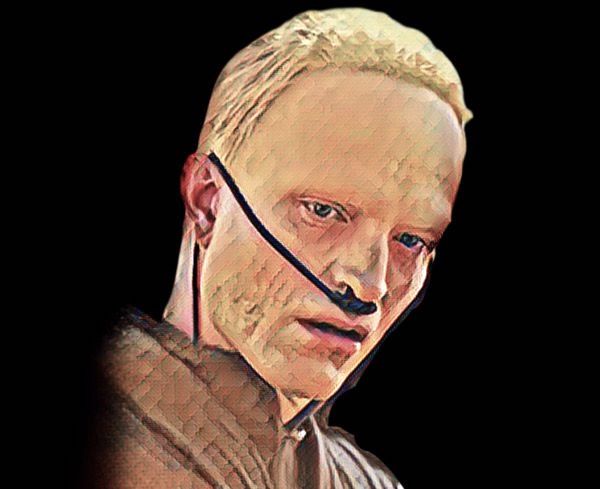
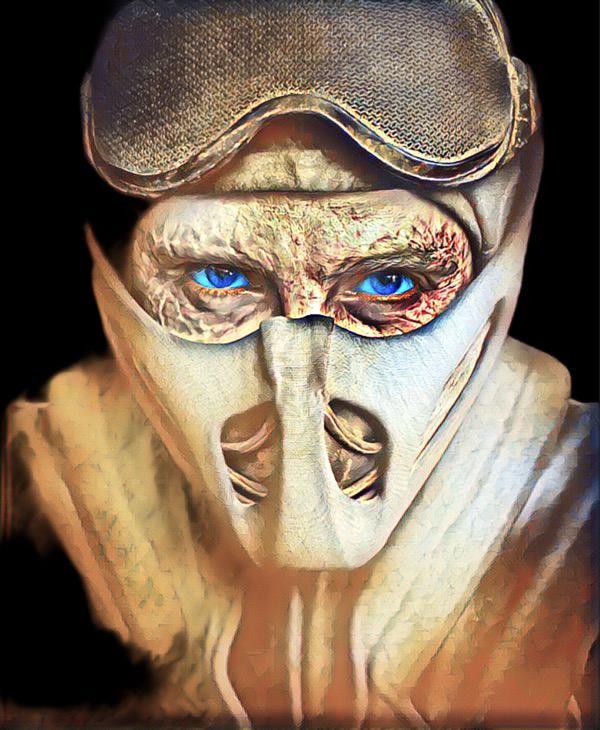
This trait fundamentally reshapes the nature of antagonism in the saga, because unlike previous villains, he does not confront Paul Atreides directly, but infiltrates his inner circle, operating from within and turning the threat into something constant and invisible. With direct plot spoilers, Scytale leads a conspiracy that brings together the Bene Gesserit, the Spacing Guild and the Tleilaxu, all united by the belief that Paul’s reign as emperor and messiah to the Fremen has become too dangerous for the balance of the universe.
At this point, one of the most crucial elements of the story comes into play, and one that the film is expected to adapt, the return of Duncan Idaho. The character, played by Jason Momoa, comes back as a ghola named Hayt, recreated by the Tleilaxu from the original body but without his full memories, and introduced into Paul’s life as a tool of emotional manipulation. Initially programmed to weaken and even assassinate the emperor, Hayt embodies one of the most disturbing ideas in the narrative, the possibility of recreating a person without their essence, turning memory and identity into weapons. His eventual recovery of Duncan’s memories becomes both a rupture and a reaffirmation of humanity within an increasingly instrumentalized world.
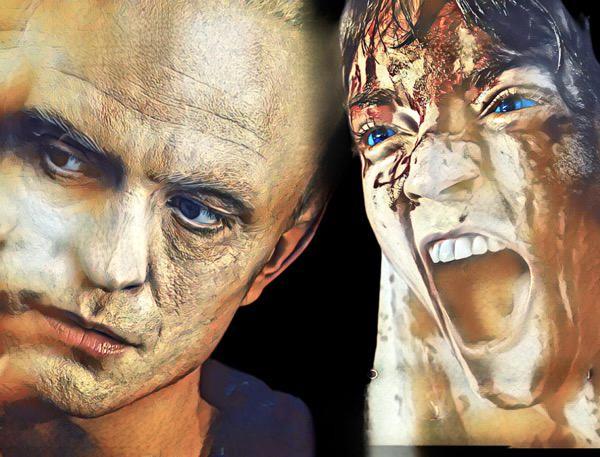
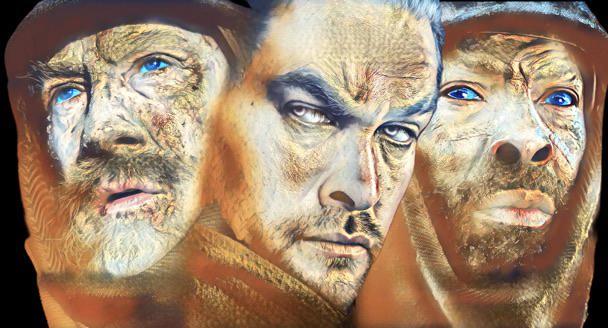
At the same time, the conspiracy reaches into the most intimate core of the story by involving Chani, her pregnancy and the succession of the empire, alongside the political presence of Princess Irulan and the ongoing influence of the Bene Gesserit, creating a scenario in which religion, power and personal life become inseparable. In the books, this conflict escalates into deeply uncomfortable territory, including threats against Paul’s children and even the offer of a cloned version of Chani, revealing the extent of moral distortion at play.
The teaser already hints at this shift by presenting Paul not as a hero in ascension but as a ruler surrounded by near-religious devotion and growing signs of collapse, while Scytale appears in fragmented form, without a fixed identity, reinforcing the idea that the true conflict will unfold behind the scenes of power, where perception, faith and narrative become weapons as decisive as any army.
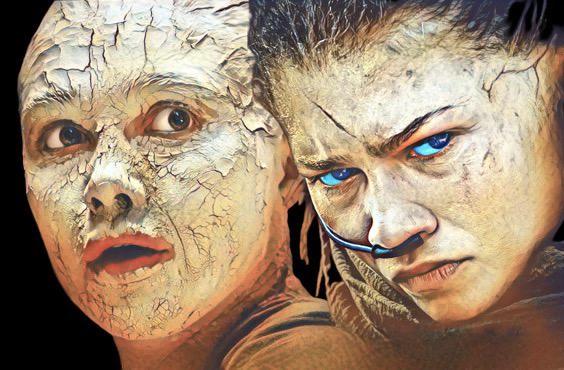
This tonal shift is also reflected in the film’s atmosphere, which becomes stranger and more unsettling, aligning not only with Dune Messiah but also with elements introduced in Dune: Prophecy, a series that has already explored concepts related to genetic manipulation and the presence of Face Dancers within the expanded universe. By bringing these ideas into the center of the main narrative, Dune: Part Three not only expands its mythology but also creates a direct bridge between different layers of the franchise, consolidating a thematic continuity around identity, control and human engineering.
The casting of Pattinson, in this context, feels almost inevitable, not only because of his established relationship with Warner Bros., but also due to his recent career choices, defined by ambiguous and unstable characters, placing him in alignment with a cast that already blends mainstream appeal with prestige, including Timothée Chalamet, Zendaya, Florence Pugh and Austin Butler.
By placing Scytale at the center of the narrative, Dune: Part Three embraces its most profound transformation, moving away from the traditional epic built on conquest and turning into a story about manipulation, identity and limits, in which Paul’s greatest enemy is not the one who opposes him, but the one who understands how to dismantle him, and it is precisely this shift that sustains the promise of a film that expands not only the scale of its universe but the complexity of its consequences, delivering an epic justified not only by spectacle but by the depth of its downfall.
Descubra mais sobre
Assine para receber nossas notícias mais recentes por e-mail.
 miscelana.com
1 comentário Adicione o seu