
After two films structured as a rise, first marked by the fall of a house and then by the birth of a messiah, Dune 3 emerges as an inverse movement, almost inevitable within the logic proposed by Frank Herbert. If the previous chapters followed the construction of a destiny, Dune: Messiah is the story of when that destiny finally demands its price.
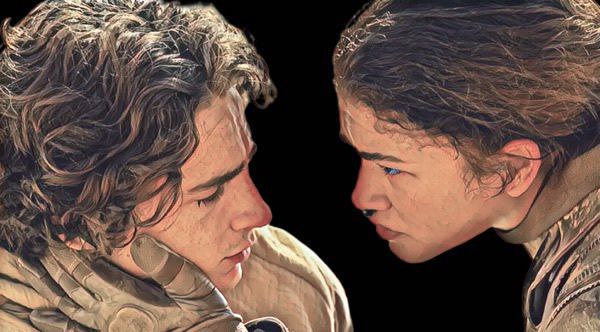
By the end of Dune: Part Two, Paul Atreides is no longer simply an unlikely hero. He becomes emperor and leads a jihad that spreads across the universe, sustained by faith, violence, and the very idea of inevitability he helped create. Yet what once seemed like absolute control begins to reveal its fractures. It is from this point of tension that the continuation unfolds, shifting the audience’s gaze from conquest to consequence.
Paul’s empire begins to unravel
The promise of a leader capable of reshaping collective destiny quickly turns into a system sustained by fear and blind devotion. The jihad carried out in Paul’s name leaves billions dead and consolidates an empire that, despite its vastness, is fundamentally unstable. The prescient vision that once seemed to guarantee control over every possible future also becomes a prison, as each decision reinforces a path he would rather avoid.
There is a profound irony at the center of this transformation. Paul won every battle that mattered, and yet he lost the ability to escape what he has become.
The conspiracy to bring him down
If earlier in the saga the conflict was organized around direct disputes between houses and territories, Messiah shifts this struggle into a quieter and far more sophisticated arena. Behind the scenes, an alliance forms between the Bene Gesserit Sisterhood, the Spacing Guild, and the enigmatic Bene Tleilax, each driven by its own interests but united by the desire to end Paul’s reign.
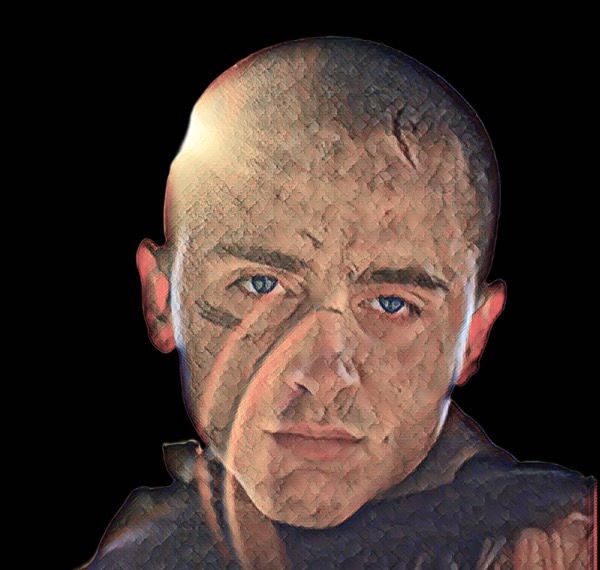
Within this network emerges Scytale, a figure capable of manipulating identities and operating within the most fragile spaces of power. His presence goes beyond that of a conventional antagonist, as he embodies a more unsettling threat, one that does not impose itself through force, but through infiltration, distortion, and the ability to reshape reality from within.
The return of Duncan Idaho and what it reveals
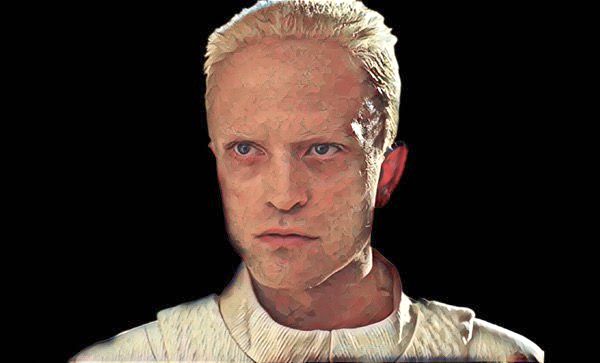
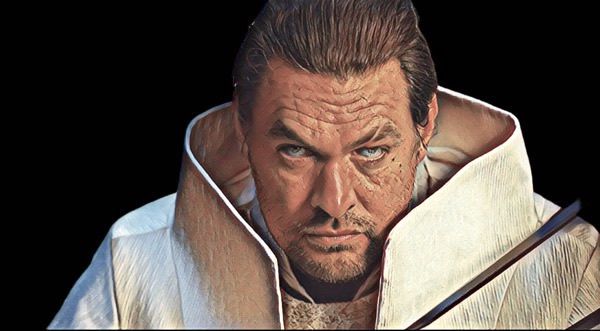
Few elements in the narrative are as unsettling as the return of Duncan Idaho. Killed early in the story, he reappears as a ghola, the result of Tleilaxu experimentation, carrying the body of the warrior but not necessarily the continuity of his identity.
This return is not merely an emotional callback to the past, but a deeper inquiry into memory, identity, and manipulation. Duncan’s presence exposes how far Paul’s empire is willing to go in rewriting the nature of humanity in order to maintain power, while also confronting the emperor with a distorted version of someone who was once essential to his journey.
Chani and Paul’s inner collapse
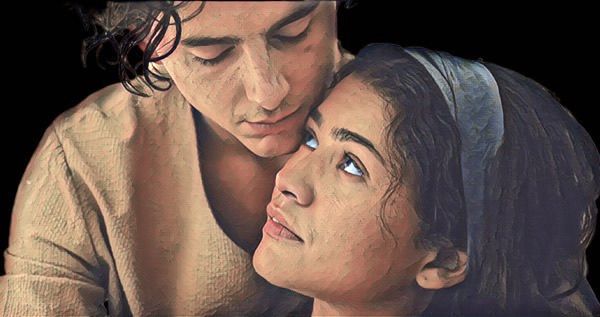
As the empire weakens externally, Paul’s personal life deteriorates with equal intensity. His relationship with Chani becomes one of the most tragic axes of the narrative, shaped by political decisions, strategic constraints, and irreversible losses.
Intimacy no longer serves as a refuge but mirrors the same tension that defines the political landscape. In this context, Dune fully abandons any romantic idealization and reveals how power not only transforms those who wield it, but corrodes everyone around them.
When Dune stops being epic and becomes tragic
Perhaps the most significant shift in Messiah lies in its tone. The scale remains grand, but the narrative focus moves from conquest to consequence, from expansion to reflection. What was once framed as destiny begins to take on the contours of imprisonment, and the hero is no longer defined by his victories, but by his inability to escape what he helped create.
Paul Atreides is no longer just the central figure of a prophecy. He becomes a character defined by contradiction, trapped between what he has foreseen and what he is still forced to live through.
The ending that changes everything
The conclusion of Messiah brings Paul to a breaking point where power no longer represents control, but exhaustion. After losing his sight, both literally and symbolically, he steps away from the throne and walks into the desert, echoing a gesture deeply rooted in Fremen culture and in the cycle of his own story.
This is not a traditional victory, nor a complete redemption. It is, above all, a choice to withdraw, an acknowledgment that absolute control was never truly possible.
Why Dune 3 may surprise audiences
For viewers expecting a direct continuation of the epic tone of the previous films, Dune 3 may come as a surprise. The narrative becomes more introspective, more political, and more ambiguous, replacing the grandeur of ascension with the complexity of consequence.
It is precisely this shift that makes Messiah one of the most fascinating parts of the saga. By moving away from the traditional hero’s journey and confronting the implications of absolute power, the story expands its scope and evolves into a more unsettling, and ultimately more enduring, reflection on leadership, destiny, and responsibility.
Descubra mais sobre
Assine para receber nossas notícias mais recentes por e-mail.
 miscelana.com