
When the legend returns to the cinema with a different promise
The Death of Robin Hood arrives in theaters on June 18 surrounded by a curiosity that goes beyond the return of a familiar character. The central question is not simply revisiting Robin Hood, but observing what happens when this figure is filtered through the perspective of a director more interested in what the myth conceals than in how it was built. Under the direction of Michael Sarnoski, the film moves away from the tradition of adventure and toward an exploration of wear, memory, and responsibility, repositioning one of the most revisited narratives in British and global culture.
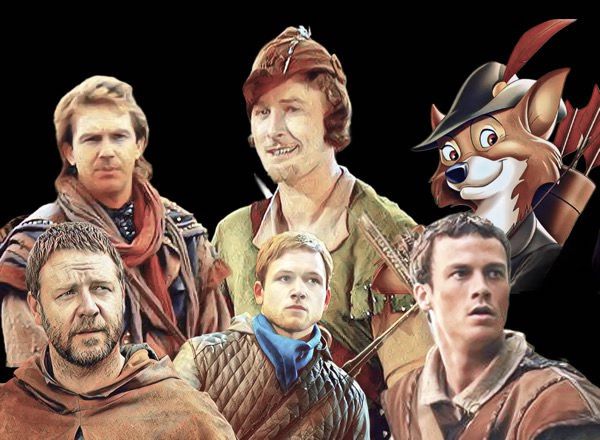
In recent years, different projects have tried to understand the origins of this figure, insisting that the key to its appeal lies in the beginning of the legend. The series from MGM+ follows this path by focusing on the early construction of the character, while cinema has also returned to this foundational moment in versions like those by Guy Ritchie or the more historical approach of Ridley Scott. Robin Hood, in maturity, on the other hand, has mostly been treated within a consolidated heroic register, as if the character could only fully exist inside the legend itself.
What we rarely see is the aftermath, the moment when the narrative has to confront the end.
Robin and Marian and the first rupture
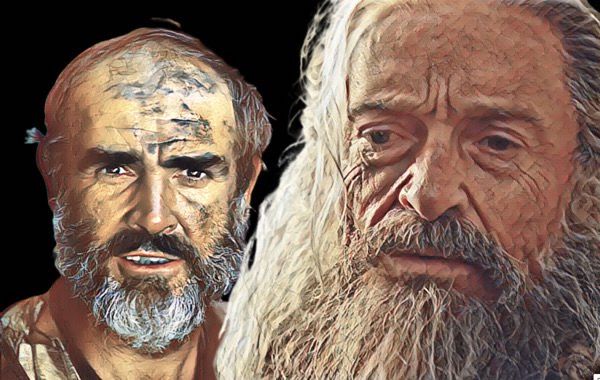
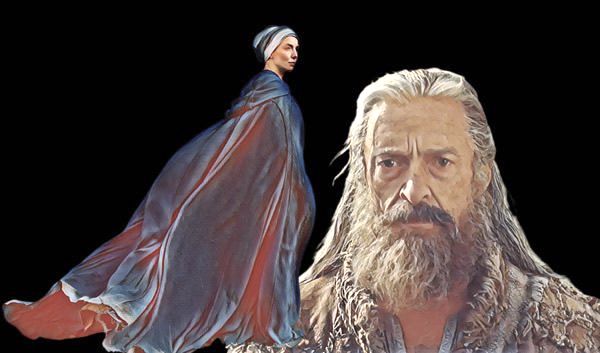
That space was explored singularly in Robin and Marian, directed by Richard Lester and starring Sean Connery and Audrey Hepburn. The film begins with an aging Robin returning from the Crusades alongside Little John and finding an England that no longer seems to need him in the same way. Marian, now living in a convent, represents a past that cannot be revisited without friction, and their reunion carries less expectation than an acknowledgment of loss.
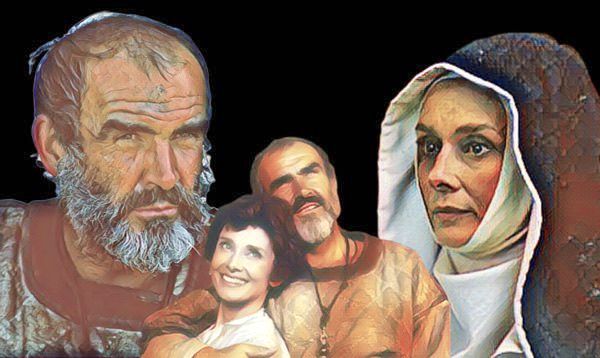
The narrative resists the impulse to reaffirm the hero and instead focuses on what remains when the energy of youth and adventure can no longer sustain the character. Love appears as memory rather than promise, and the final confrontation rejects any notion of invincibility by presenting a body that already knows its limits. Upon release, the reception was respectful, though not enthusiastic in the way grand epics often are, partly because the film refused to deliver the Robin Hood audiences expected. Over time, however, that choice has come to be seen as a sophisticated reading that anticipated a movement now more visible in contemporary cinema.
The Death of Robin Hood and the definitive dismantling
It is within this territory that The Death of Robin Hood positions itself, but with a more radical shift. If the 1976 film operated as an elegy, this new version seems intent on dismantling the myth to the point of exposing its contradictions. Robin appears here not only aged, but wounded, haunted by a past that returns as accusation rather than nostalgic recollection. The legend, instead of protecting him, becomes strained by what it once simplified.
The presence of Hugh Jackman is crucial to this transformation. Throughout his career, he has embodied characters who balance charisma with visible wear, which proves especially effective in a role that demands both immediate recognition and displacement. Jackman understands the symbolic weight of Robin Hood and, at the same time, seems willing to destabilize it, exploring the dimension of a man forced to confront the consequences of his own actions.
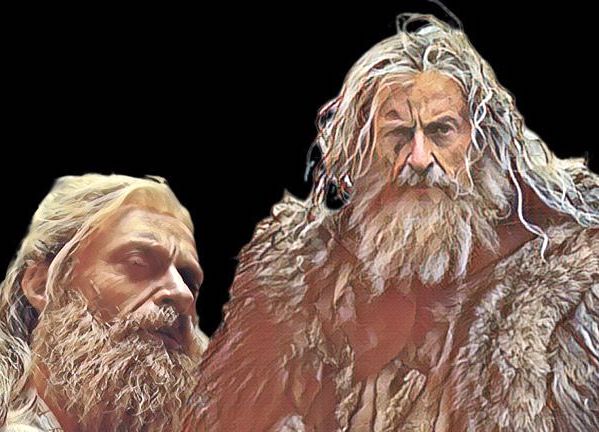
Under Sarnoski’s direction, this approach gains further depth through a preference for interiority over spectacle. The film leans into silence, into the physical presence of a damaged body, and into the sense that the past cannot be reorganized without cost. The generous outlaw gives way to a figure whose path includes violence and decisions that can no longer be romanticized, shifting the narrative from heroism toward accountability.
What remains when the myth is questioned
Between Robin and Marian and The Death of Robin Hood, there is less a rupture than a continuation that reveals how the legend can be rewritten without losing its force. The former reflects on time and endings, while the latter goes further by questioning the very nature of the myth, suggesting that what sustained Robin Hood may not be as stable as it once seemed.
It is precisely this capacity for dismantling that keeps the character alive. Rather than reaffirming certainties, these new readings turn Robin Hood into a site of tension, where past and present collide and where heroism is no longer a given, but an open question.
Descubra mais sobre
Assine para receber nossas notícias mais recentes por e-mail.
 miscelana.com