
Since 2022, a succession that seemed clear
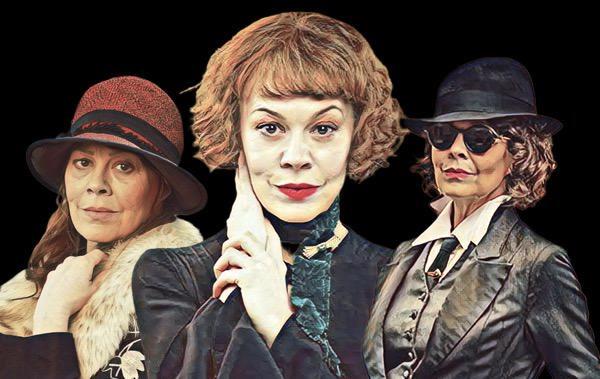
When Peaky Blinders came to an end in 2022, the prevailing sense was that the story was pointing, even if somewhat unevenly, toward a generational conflict that could sustain its future. This direction did not emerge in isolation, but had been building across seasons, particularly through the growing tension between Michael Gray and Tommy Shelby, with Polly at the center of that conflict, forced to navigate a choice between her son and her nephew.
It was a dramatic axis that made sense because it carried memory, emotional weight and an accumulation of conflicts that gave depth to every decision. The death of Helen McCrory interrupted that trajectory in a way that could not be reconciled and altered the balance of the story at its core. Without Polly, that structure loses its point of equilibrium, Michael no longer operates with the same dramatic weight and his arc is resolved abruptly, with Tommy reclaiming control without the confrontation that once felt inevitable.
It is within that space, left behind by a conflict that never fully materialized as promised, that Duke Shelby begins to exist within the narrative.
A solution that never became a character
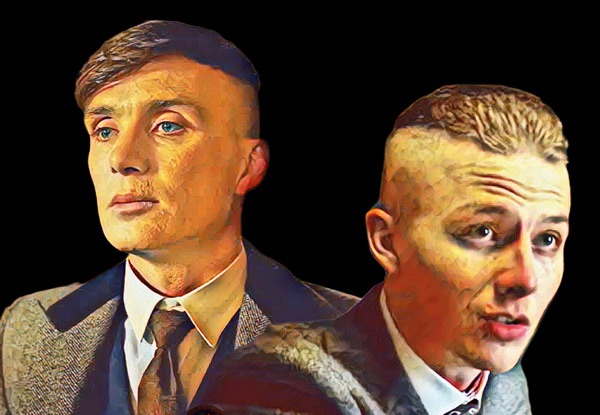
Duke emerges as an attempt to reorganize the future of the story, yet his introduction always carried a sense of misalignment with what the series had previously built. By being revealed as Tommy’s son and almost immediately legitimized as heir, he assumes a position of leadership without having gone through the process that had, until then, defined who could truly occupy that place within the family.
The idea, on its own, makes sense within the logic of succession, yet its execution exposes a gap that is difficult to ignore. Duke did not participate in the dynamics that shaped the Shelbys, did not endure the losses that defined their loyalties and did not build the relationships that could sustain his centrality. His presence is asserted by the narrative, but it does not impose itself organically.
Over time, it becomes clear that he functions more as a structural answer than as a fully realized character.
At the same time, the decision to position Finn Shelby as an antagonist points toward a more emotionally coherent direction, since his marginal position within the family had always been established. Finn grows up in the shadow of his brothers, is consistently underestimated and his eventual rupture carries a resentment that accumulates across the series. Even so, this thread is never developed with the depth required to sustain the next phase of the story.
The film shifts the axis and exposes the problem
The expectation surrounding the film was that it would organize these tensions and give shape to the new generation of Shelbys, deepening what the series had only suggested in its conclusion. What unfolds instead is an even greater displacement.
The time jump reshapes relationships, repositions characters and further weakens what had already been built on unstable ground. The prevailing feeling is not one of continuity, but of an attempted reset that does not fully anchor itself in what came before.
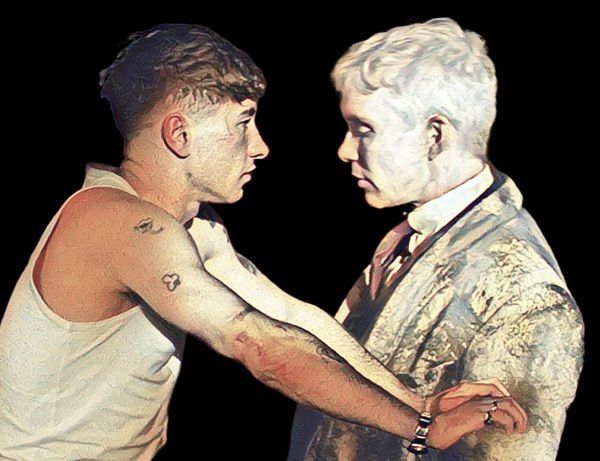
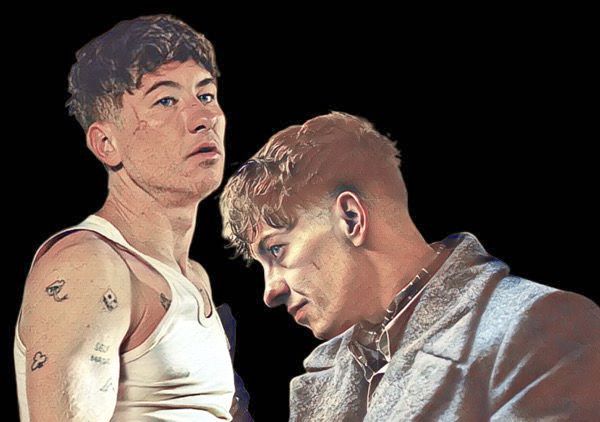
The arrival of Barry Keoghan into the universe of the saga, at the invitation of Cillian Murphy, with whom he worked on Dunkirk, initially suggested a renewed sense of energy. Keoghan is an actor of remarkable presence and manages to extract tension even from underwritten material, doing what he can within the limits of what he is given.
Even so, the issue does not lie in the performance, but in the foundation supporting the character. Without a consistent build, Duke continues to occupy a space that has not been fully earned, and the film, by moving quickly into a new phase, amplifies that fragility instead of resolving it.
Another recast, the same impasse
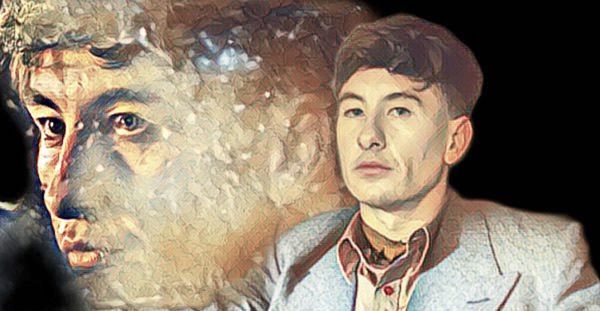
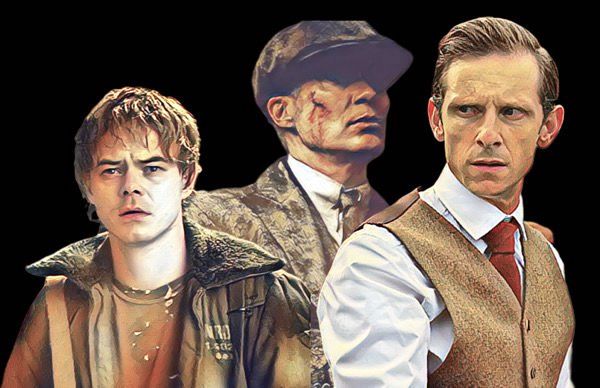
With another leap forward in time comes yet another reformulation of the character, now with Jamie Bell taking on the role. This choice signals an attempt at repositioning, as Bell has built a career, since Billy Elliot, defined by an internal tension and contained intensity that could finally give the character the depth it has so far lacked.
This shift, however, also reveals something more fundamental. When a character still depends on successive redefinitions to find its shape, it often points not only to a matter of interpretation, but to a structural difficulty in how that character was conceived within the narrative.
The insistence on repositioning Duke does not resolve the issue, it simply makes it more visible.
The problem was never the actor
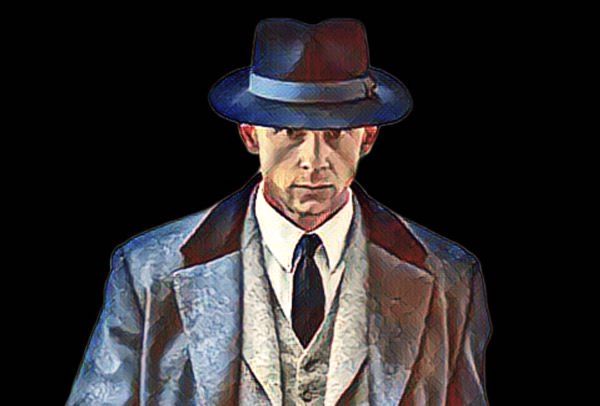
The issue has never been who plays Duke, but how he was introduced and developed within the story. He is presented as an heir without having been constructed as a successor, and that distinction, subtle as it may seem, is crucial to the dramatic function of any narrative built on legacy.
Peaky Blinders has always been at its strongest when these transitions are built through conflict, consequence and time. By accelerating that process, the series begins to rely more on assertion than on development, weakening the connection between character and audience.
Duke occupies a central position, yet has not fully found the means to sustain it.
What went wrong
The succession was announced before it was developed, and each new attempt to adjust it exposes that gap more clearly.
In the end, what is at stake is not simply the definition of a character, but the series’ ability to sustain its own continuity without relying on the figure that defined it from the very beginning.
Descubra mais sobre
Assine para receber nossas notícias mais recentes por e-mail.
 miscelana.com