
Marilyn Monroe has never needed help to remain visible. The problem has always been something else: how she is remembered.
Over the decades, her image has been repeated, appropriated and simplified to the point of replacing the person herself. Before any film, before any performance, the icon comes first and the idea of a femininity designed to be consumed. Alongside it, a narrative that insists on reducing her to a convenient mix of beauty, fragility and tragedy.
There is reason to believe this may finally begin to change in 2026, the year marking the centenary of her birth.
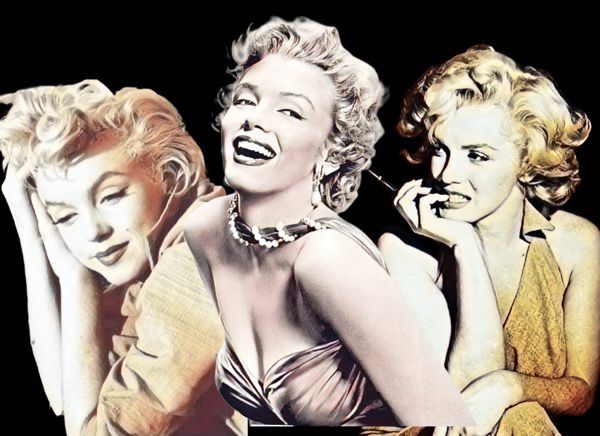
The so-called “summer of Marilyn,” organized by two major British cultural institutions, is not simply a celebration. There is something corrective in the gesture. By revisiting her filmography while also examining the construction of her image, the project shifts the focus from myth to work, and, perhaps more importantly, to the decisions behind it.
The British Film Institute’s season reorganizes her career through juxtapositions that are rarely made. The comedies that helped solidify her image sit alongside dramatic performances that still surprise in their emotional precision, as well as smaller roles that reveal an actress far more aware of her own impact than the studio system was willing to acknowledge. This is not just a return to familiar titles, but a reframing of how they are read.
Meanwhile, the National Portrait Gallery’s exhibition touches on an even more delicate issue: authorship.
For a long time, the dominant narrative suggested that Marilyn’s image was imposed on her by Hollywood. What this reassessment proposes is more unsettling, and more compelling. Marilyn did not simply participate in that process; she actively shaped it. She chose photographers, intervened in shoots, rejected images. The persona the world consumed was, to a large extent, a deliberate construction.
And this is where the central tension lies.
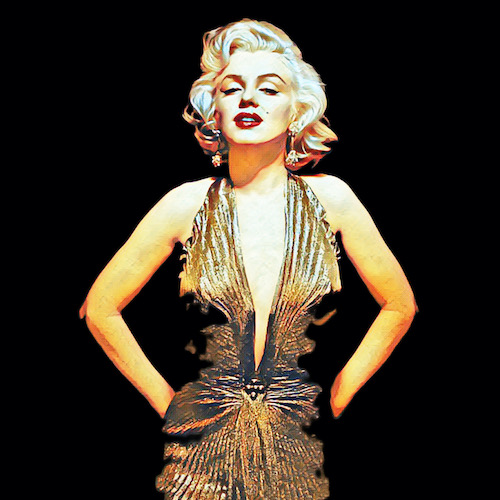

Because Marilyn spent much of her life trying to break free from what she herself had helped create. When she moved toward more complex roles, challenged the studio system and, in a nearly unprecedented move at the time, founded her own production company, those choices were not read as creative ambition but as instability. Reinvention — now seen as a natural part of any major career — was, then, treated as deviation.
The contrast with the present is difficult to ignore. Today, artists who control their image, move between versions of themselves and take an active role in production are celebrated for precisely that. What is still insufficiently acknowledged is that Marilyn attempted to do the same, in a context that did not know how to accommodate that kind of autonomy.
Perhaps that is why the re-release of The Misfits carries particular weight within this reassessment. More than her last completed film, it stands as a fracture point between image and person. The expected lightness of the star is no longer there. What emerges instead is a presence marked by something denser, harder to contain — and, for that very reason, more revealing.
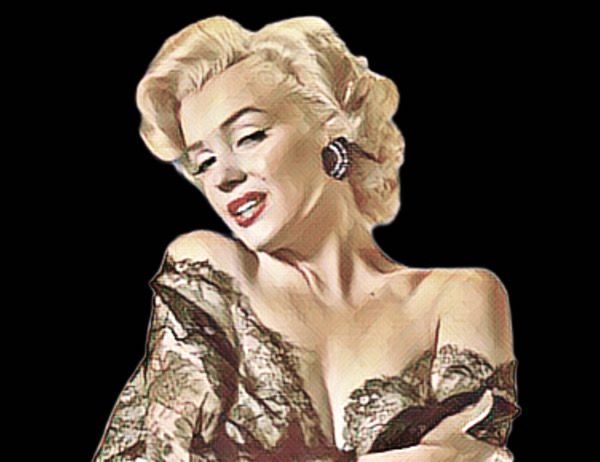
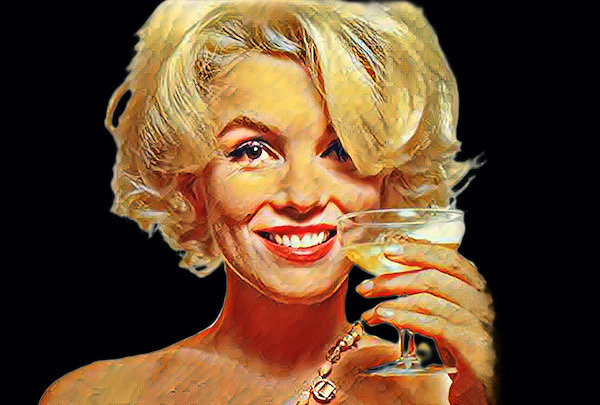
In the end, what this centenary seems to propose is not a new version of Marilyn Monroe, but a more honest reading. Not the rejection of the icon, but a refusal to let it remain the only lens through which she is understood.
Because if her image has always been central to her cultural afterlife, the most necessary gesture now may be to return her to where she always belonged, as someone who did not simply exist within that image, but constructed it, negotiated it and, at many points, tried to escape it.
Descubra mais sobre
Assine para receber nossas notícias mais recentes por e-mail.
 miscelana.com