
There is an immediate pleasure in entering the world of Imperfect Women, the Apple TV+ series heading into its final stretch next week. The cast is strong — Kerry Washington, Kate Mara, and Elisabeth Moss — the visual finish is polished, and the narrative leans on one of the most effective devices in contemporary suspense: a death, a group of women, and a web of secrets that slowly begins to unravel. It is the kind of story streaming has learned to do very well, and one that audiences have also learned to decode.
Perhaps that is why the experience feels двой.
On one hand, it works. It is engaging, well-constructed, and sustained by performances that give emotional weight to what could easily slip into cliché. On the other hand, there is a familiarity that, for those who devour the genre, edges toward predictability. The “whodunit” does not feel impossible to identify, especially since scripts today tend to favor surprise over the careful construction of possibilities. That said, the “why” takes longer to emerge, and it is precisely there that the series finds its most interesting layer.
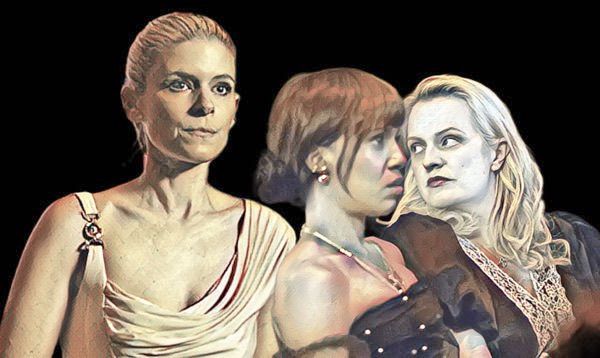
The starting point comes directly from the novel by Araminta Hall, which builds less of a traditional mystery and more of an investigation into memory, resentment, and the fractures within long-term relationships. In the book, death is a trigger, not the center. What matters is how each character rewrites the past to live with it.
In the Apple TV+ adaptation, there is a subtle shift.
The series moves closer to classic suspense. It organizes clues more clearly, structures the mystery, and creates a more defined progression. This makes everything more accessible and also somewhat more predictable. It is the cost of turning ambiguity into continuous audiovisual storytelling: what was doubt on the page needs to take shape on screen.
Still, there is something worth emphasizing.
At a moment when true crime dominates audience interest, Imperfect Women invests in an original, fictional story built around characters rather than real cases. That makes a difference. There is more freedom, more room for nuance, more space to fail without the ethical weight of reenacting real tragedies.
Critical reception has followed this balance.
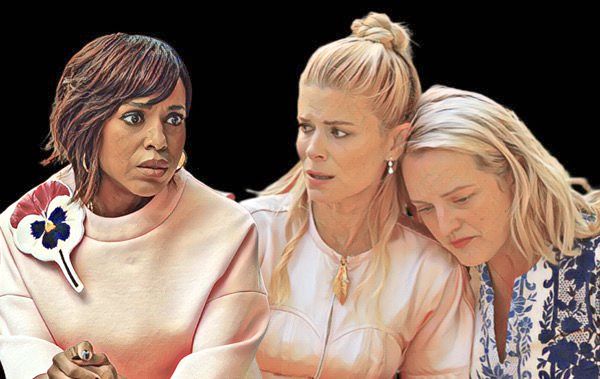
There is consistent praise for the cast and the atmosphere, for the way the series builds emotional tension even before relying on the mystery itself. But there is also a recurring observation: the narrative does not fully escape the conventions of the genre. It delivers enough to hold attention, but rarely enough to unsettle.
And perhaps that is the best way to understand it.
As a solid, well-executed thriller that fulfills its promise, but is unlikely to surprise those who have walked this path before.
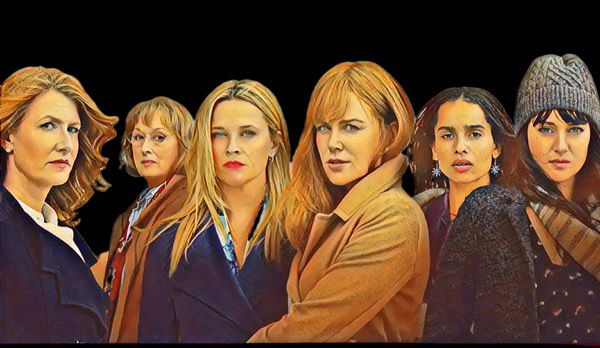
The comparison with Big Little Lies is inevitable, and it helps clarify where each one stands. Both begin from similar structures: women, secrets, and a death that reshapes everything. But while Big Little Lies builds, over time, a kind of emotional alliance among its characters, The Imperfect Women remains more fragmented. Less interested in solidarity, more inclined to explore points of friction.
If the HBO series still believed in the possibility of a shared truth, what emerges here is the coexistence of competing versions.
And that may be what sustains interest until the end.
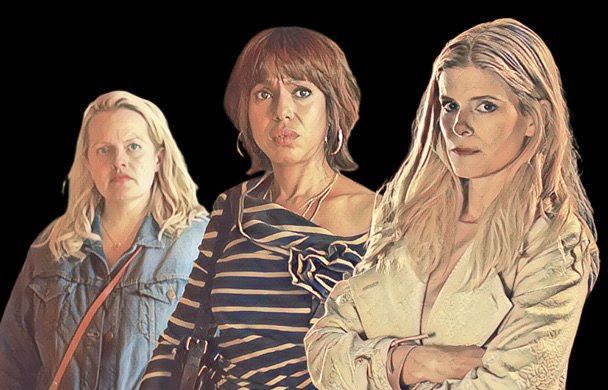
Even when the “who” reveals itself early, the “why” continues to echo. Not as a grand twist, but as a more unsettling question about what these women have done to one another, and what they have chosen to forget to move forward.
In the end, it is not a series that reinvents the genre.
But it is not insignificant, today, to find a thriller that works, that has strong performances, and that still chooses to build its tension around characters rather than real crimes.
Descubra mais sobre
Assine para receber nossas notícias mais recentes por e-mail.
 miscelana.com