
For centuries, Marius Petipa was the synonym of the classicist within classical ballet, having signed some of the most important pieces that are danced to this day. What few remember – or know – is that his personal and love adventures also influenced the history of dance.
Marius, at first, could be pointed out as the least talented in a dancer’s family, led by his father, Jean, and famous brother, Lucien. Lucien was one of the greatest of the conquerors of the young Carlotta Grisi, stealing her from Jules Perrot, but that’s a different post in the making. It was his kid brother, Marius, however, years before becoming one of the best choreographers ever, who had turns and jumps so scandalous that they are worthy of a novel. Who would tell? Remember Shakespeare in Love? Well…

Due to their careers, the Petipa Family traveled quite often. In 1844, Marius, just 26 years old, after a tumultuous season in Bordeaux, managed to get a job in Spain as the partner of dancer Marie Guy-Stéphan, who was famous then.
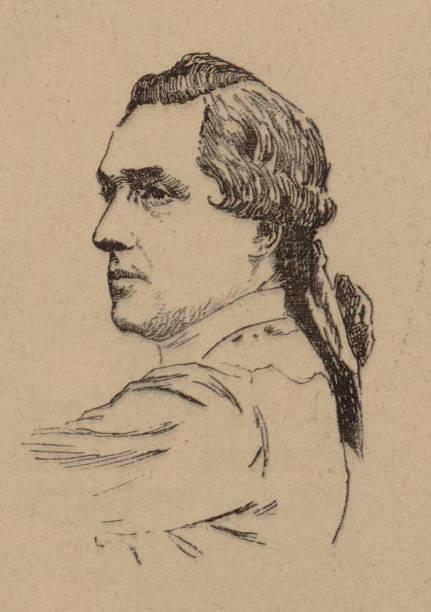

Although he had important roles, Marius arrived in Madrid more recognized as a character dancer and a great partner. It was then, in Spain, that he had direct contact with its rich folklore and dances that would influence him in his creations later.
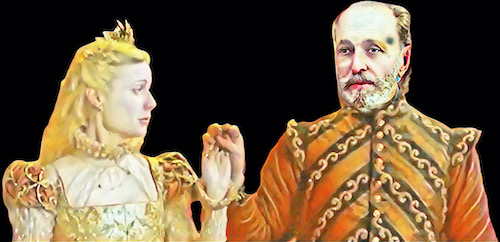
Marius’ personal and love life was as messy as it could be. Debts, cards, and ill-fated romances, and the most significant of them all happened in Spain. Only a few months after his arrival, he fell in love with Carmen Mendoza y Castro. Carmen was the daughter of the Marchesa of Villagarcia, María de la Concepción, who hired him for private dance lessons for her heiress. Although Carmen was 23 years old, as an unmarried maid, she was considered a minor. Well, it didn’t take long that between pirouettes and elevés the relationship develop into something more. The novel begins.
It didn’t take long for gossip to catch up. At first, rumors were between the teacher and the Marchesa; however, María’s admirer, the French Count de Gabriac, warned his muse of what was really going on at the so-called dance classes. Hell broke loose.
Marius was banished from the house. The Marchesa tried to bribe him to leave the country. All to no avail. So, to make things worse, the Conde threatened to beat the dancer up. So, albeit forbidden by law, Marius defied de Gabriac to a duel. Before you wonder, no, Marius Petipa was not a good shooter or fighter.
The details are not really clear, as it was against the law, but Marius won the duel, managing to shoot the Count in the face. It was luck and a questionable attitude. The choreographer and historians agree that the Count shot first, but the gun misfired. He was asked to try again, but the dancer shot him before he could do anything. As much as the choreographer later said it was the duel that made him leave Spain for Russia, it’s not true. A couple of days later, unharmed and free, he was on the stage dancing without any trouble.
It goes on.
Neither the duel nor the opposition succeeded in separating the young lovers. Marius and Carmen eloped. A few months later, they were found in England. As they were not married, she was “returned” to her family, and he was forced not to go back to Spain. Poor and heartbroken, he then accepted the invitation to join Russia’s Imperial Ballet in Saint Petersburg. He never came back, finding immortality in his ballets and becoming a legend.
Carmen’s story is not as happy. She married a few years later to Raúl Grandemont. She replaced her mother as the Marchesa of Villagarcia and never had kids.
In Russia, Marius wrote the history of ballet with many of his creations, including Spanish references. After remembering all this, Kitri and Basil’s elopement has a different meaning. In the ballet, love wins. The reality, though, was just like the movie.
Descubra mais sobre
Assine para receber nossas notícias mais recentes por e-mail.
 miscelana.com
2 comentários Adicione o seu