
Motherhood in the Disney universe has always been a sensitive and often painful subject. Heroines are almost always orphans, mistreated and abandoned, rarely finding female affection that isn’t rooted in magic. It’s a pattern that newer generations have begun to rewrite.
Maleficent reframed Sleeping Beauty through a modern, empathetic lens. Cinderella (2015) took some steps in that direction, but six years after its release — in an era when sisterhood is a central theme — the film already feels dated. But we’ll get there.


The “original” Cinderella, or at least the most popular version, was written by Charles Perrault in 1697. It came from a time when women had no voice and marriage was their only means of survival or social mobility. The heroine is, therefore, “saved” from her cruel stepmother by a prince — a literal expression of how male love was the only path to freedom. When Disney adapted the story in 1950, more than two centuries later, that reality still held true.
The 2015 live-action adaptation, directed by Kenneth Branagh, tried to modernize gender roles and soften the rivalries, but without breaking the mold entirely. The 1998 version, Ever After, starring Drew Barrymore and Anjelica Huston, remains the boldest and most modern adaptation to date. In 2021, the Camila Cabello version for Prime Video took another step forward, turning the heroine into a woman with agency and voice.
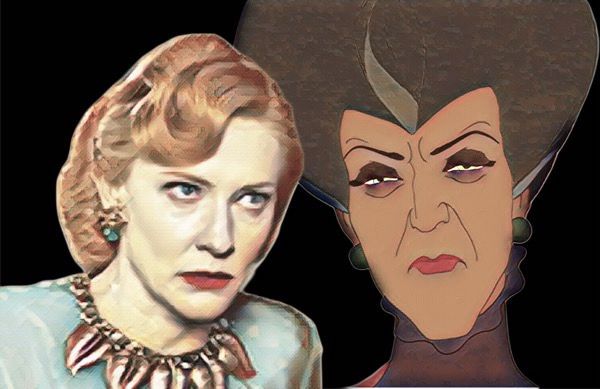
But here, the focus is not the heroine — it’s the stepmother.
The Villain as Mirror
The image of a woman inflicting cruelty on another woman — out of jealousy, envy, or resentment — has been passed down for centuries as an “authentic” truth about female nature. The Evil Queen from Snow White, Maleficent, the Wicked Witch, and the Cruel Stepmother from Cinderella form Disney’s original trinity of female villains, all reinforcing the notion of competition among women. In their earliest incarnations, they didn’t even have names — just archetypes. Mature women are envious of youth, beauty, and innocence.
In Snow White, vanity becomes witchcraft. In Cinderella, cruelty is born from pride. In the 1950 film, Cinderella’s widowed father remarries in hopes of giving his daughter a family, only to die soon after. The stepmother then reveals her true nature — almost demonic (her cat, notably, is named Lucifer). Out of jealousy and spite, she turns Cinderella into a servant, forbidding her from even dreaming of love — or, symbolically, of freedom.

Perrault described Lady Tremaine as “the proudest and most arrogant woman ever known,” with daughters “exactly like her in every way.” Cinderella, in contrast, is described as “the best creature in the world,” a reflection of her late mother’s goodness. In the original story, the stepmother’s hatred is immediate — born from the way Cinderella’s virtues highlight her own daughters’ flaws. Her father, “governed by his wife,” stands by, powerless. The moral was clear: in the face of cruelty, inner nobility is what allows good to triumph over evil.
Cate Blanchett and the Complexity of Evil
It took an actress of Cate Blanchett’s caliber to give Lady Tremaine more human depth. In Branagh’s Cinderella (2015), when the heroine questions her cruelty, the stepmother confesses that her first marriage was for love — but once widowed, she had to remarry for survival and respectability. Realizing her new husband did not love her, and that his heart still belonged to his late wife and daughter, she was consumed by jealousy. Pride took over, erasing compassion, and she punished Cinderella for embodying everything she’d lost.
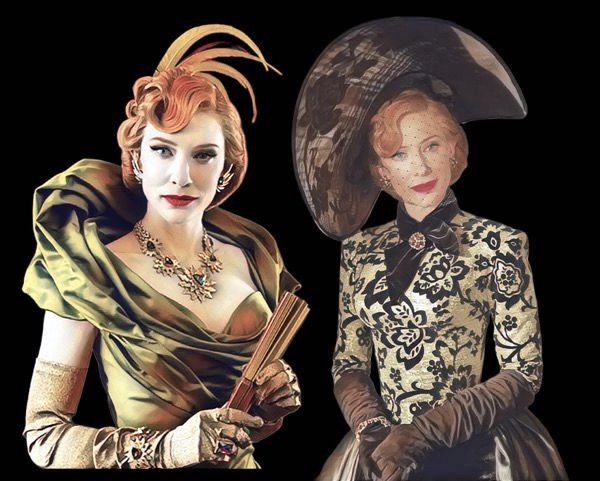

That explanation gives the character emotional context but preserves the same old dilemma: the idea that female rivalry inevitably breeds evil. It’s progress — but not liberation. Maleficent, released just a year earlier, had already gone further.
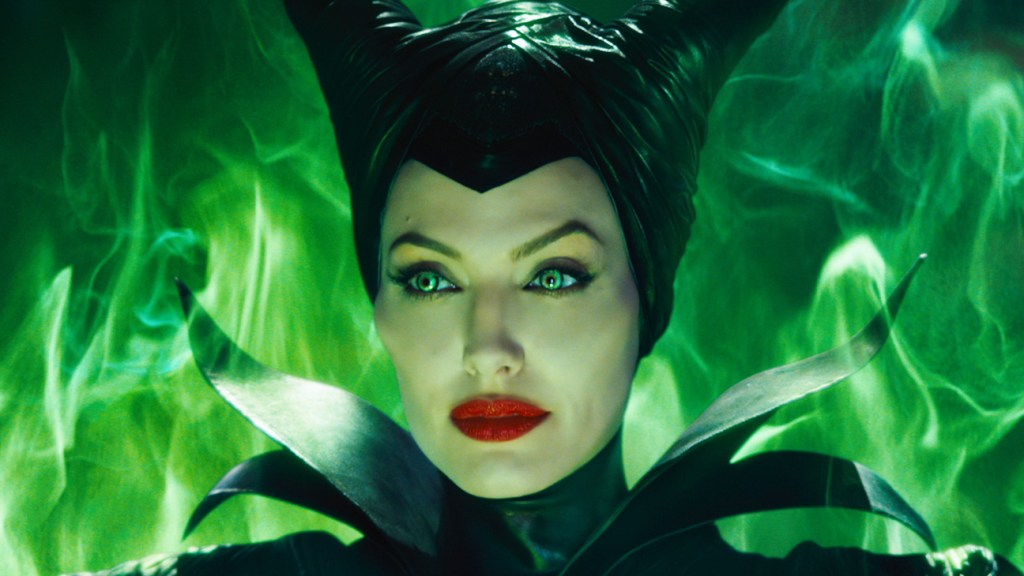
Interestingly, there’s an intimate link between the two characters. In Disney’s original animations, Eleanor Audley provided both the voice and reference for Lady Tremaine and Maleficent — two shades of the same archetype: authority turned resentment. Decades later, Angelina Jolie and Cate Blanchett approached them differently — one through redemption, the other through cold elegance.
The Archetype of Female Villains
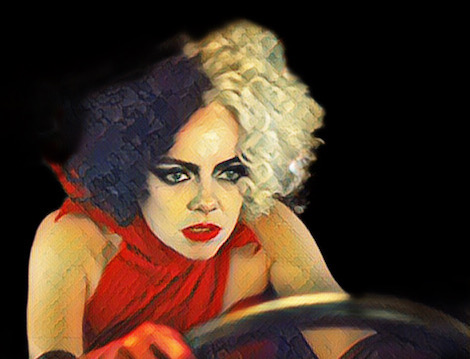
Among Disney’s classic villains, Cruella De Vil was perhaps the first to truly steal the spotlight — literally and figuratively. Like Maleficent, she became the center of her own narrative. In Emma Stone’s reinterpretation, Cruella gains backstory and purpose, while Emma Thompson’s newly created Baroness embodies the distilled essence of Disney’s early villainesses: ambition, vanity, and wrath.
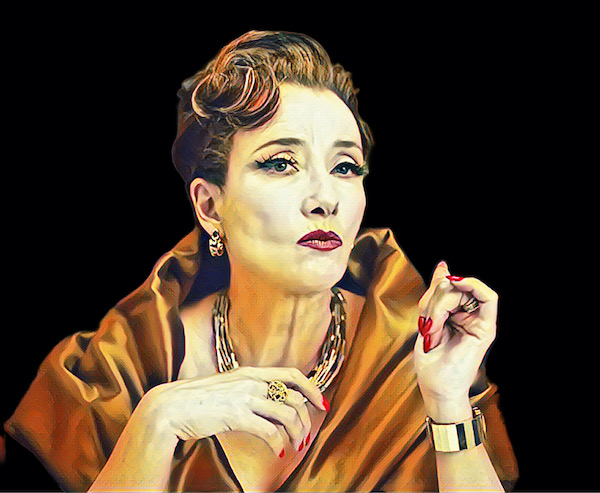

Lady Tremaine, however, remains the purest symbol of controlled cruelty. In every version — animated, live-action, or retelling — she is ultimately forgiven by Cinderella, which perhaps explains her endurance: she represents the kind of evil born not from darkness, but from disappointment.
In the new adaptation starring Camila Cabello, Idina Menzel takes on the role of the stepmother. The question now is whether we’ll finally see something new — perhaps a woman whose bitterness hides not hatred, but heartbreak.
Descubra mais sobre
Assine para receber nossas notícias mais recentes por e-mail.
 miscelana.com
1 comentário Adicione o seu