
August 2024 marks the 85th anniversary of the release of The Wizard of Oz. The 1939 classic, based on the book The Wonderful Wizard of Oz by L. Frank Baum, follows young Dorothy Gale (Judy Garland), who is whisked away by a tornado from her home in Kansas to the magical Land of Oz. There, she embarks on a journey to find the Wizard, who she believes can help her return home. Along the way, she befriends the Scarecrow, the Tin Man, and the Cowardly Lion, each seeking something from the Wizard: a brain, a heart, and courage, respectively.
The film is known for its vibrant colors, especially because it was one of the first films to use Technicolor technology, making the transition from the black-and-white world of Kansas to the colorful world of Oz one of the most memorable moments in cinema history. In addition, the soundtrack, including the iconic song Over the Rainbow, performed by Judy Garland, is widely celebrated.
As if all this were not enough, the production of the film is also famous for its technical innovations and special effects for the time, such as the creation of fantastic sets and detailed costumes. Nominated for five Oscars, it won only two: Best Song and Score. In honor of the anniversary, The Wizard of Oz returned to theaters in the United States, in only a few screening rooms.
About the book and the metaphor of growing up
Written by L. Frank Baum and first published in 1900, The Wizard of Oz is a classic of children’s literature, rich in themes such as friendship, courage, and the importance of believing in yourself. As Dorothy emphasizes: “there’s no place like home.”
In addition to The Wonderful Wizard of Oz, the American author wrote a series of books about the land of Oz, 14 in total, creating a literary universe that became extremely popular and influential. But outside of literature, he was also known as an innovator in the field of children’s entertainment, using elements of fantasy and adventure to captivate young readers.
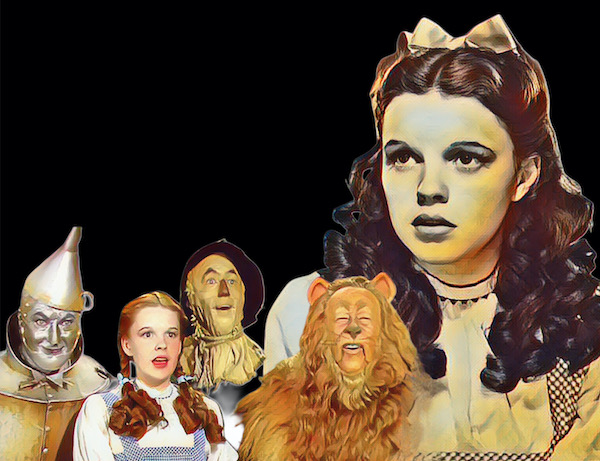
Baum was influenced by the fairy tales of the Brothers Grimm and Hans Christian Andersen, but even more by Lewis Carroll and his brilliant Alice in Wonderland, also about a girl trying to return home. The American thought that the plot of Carroll’s novel seemed incoherent, and, understanding the generic proposal, wrote his version with little Dorothy as its protagonist, including many illustrations and arguing that the book should not contain any moral lessons.
One of the highlights of Hollywood’s most memorable year: 1939
1939 was a different year in Hollywood and is still considered the pinnacle of Cinema. The Wizard of Oz was one of his highlights and, according to the US Library of Congress, it is the most-watched film in the history of cinema and is ranked second on Variety’s list of the 100 Greatest Films of All Time.
MGM decided to invest so heavily in a children’s film in light of the huge success of Snow White and the Seven Dwarfs, released two years earlier, in 1937, signaling the box office potential of children’s stories and fairy tales.
As was common at the time, the script went through several writers and revisions until its final version. Interestingly, two directors who had been involved in the biggest hit of 1939, Gone with the Wind, were also involved in the production. George Cukor served as a creative consultant before Victor Fleming directed. When the production of the classic about the American Civil War got into trouble, Cukor left and was replaced by Fleming, who won an Oscar and was responsible for the two biggest hits of 1939. Amazing, isn’t it?
And if it is Judy Garland‘s most famous film today, The Wizard of Oz was almost a vehicle for Shirley Temple and later Deanna Durbin. That’s right, Judy was the third choice and only got the role because she was already part of the MGM cast.

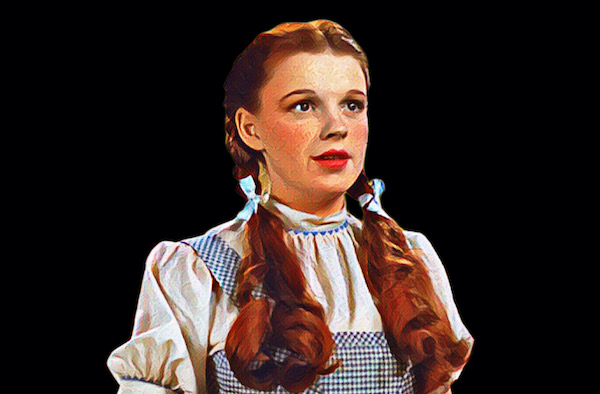
Years after its release, stories about the abuse suffered by Judy Garland (some shown in the biopic Judy) came to light, such as moral and sexual harassment and the studio’s insistence on changing her appearance, which included binding her chest and giving her Benzedrine pills to keep her weight down, along with stimulants and tranquilizers to which she would become addicted ever since.
Due to the length of the film, its most famous song, Over The Rainbow, almost ended up on the cutting room floor, but Fleming fought (and won) to keep it. The Oscar for Best Original Song proved that he was right. A work with a timeless and global legacy.
Despite its 85 years, the classic remains visually impressive, as are its metaphors, with relevant themes about cowardice, empathy, intelligence, and belonging. It moves several generations with sequences and lines that are part of the pop universe. The film’s central message, which emphasizes the importance of home and self-discovery, resonates with many viewers to this day. It is worth watching again and review and review. I’m sure the sense of familiarity will fill your heart with the truth: there’s no place like home.
Descubra mais sobre
Assine para receber nossas notícias mais recentes por e-mail.
 miscelana.com
1 comentário Adicione o seu