
When we last saw Tommy Shelby, he was riding into an uncertain future, guided by the ghost of his daughter and spared, once again, by death itself. The world around him was in ruins — literal and emotional. And it’s from that silence that The Immortal Man must begin: the pause between wars, when hope disguises itself as progress and survivors carry the taste of the previous bloodshed.
Now we are in the heart of the Second World War. Men like Tommy, who already endured the first, know the sound of bombs too well to believe in heroism. They know that what follows glory is emptiness — and that rebuilding is always done on top of ghosts.
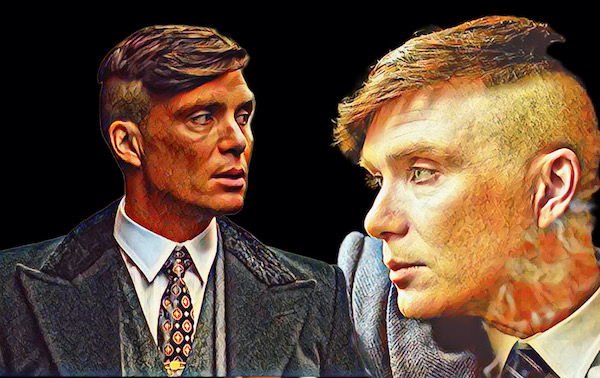
An Empire Without a Center
When Polly Gray was killed, an era ended. She was the heart of the Shelbys, the moral pulse, the invisible thread keeping the family from devouring itself. Her death — orchestrated by external forces but enabled from within — broke what little balance remained. The war between Tommy and her son, Michael, ignited the collapse: betrayal, ambition, and a Chicago branch (through Michael’s wife, Gina) that burned with them (and excludes Gina from the plot as well).
Michael died trying to prove he could replace his cousin, but his death only confirmed what Polly always knew — there could be no Shelby empire without her. What remains is a name hollowed by loss.
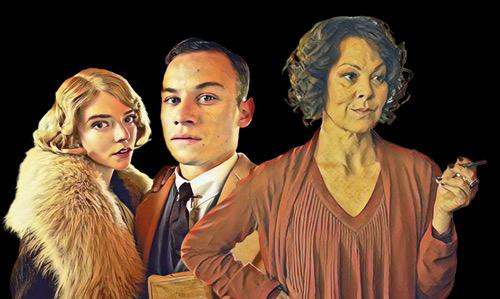
Ada, the Unwilling Heir
While the men drowned in ambition and addiction, Ada Shelby-Thorne kept the name alive.
She resisted the family’s logic of violence, but ultimately understood that survival required someone who could read the room, not the gun. With Tommy in politics and Arthur lost in his own wreckage, Ada became the pragmatic matriarch — quiet, strategic, modern.
In The Immortal Man, she’s likely the face of the family’s reconstruction: holding together a dynasty that doesn’t know how to live in peace.

The Politician and the Fascist
Tommy’s turn to politics was always paradoxical — the gangster seeking redemption through respectability. That path led him to Oswald Mosley, the embodiment of Britain’s flirtation with fascism. In the series, their duel remained unresolved; Tommy failed to bring him down.
In real life, Mosley and his wife, Diana Mitford, were arrested in 1940 for their Nazi sympathies and imprisoned for three years. It’s unlikely the film will dwell on that; at best, it will echo in passing.
But the mark is there: Mosley left the series “on top,” and The Immortal Man must face that shadow — an ideological wound more corrosive than bullets.

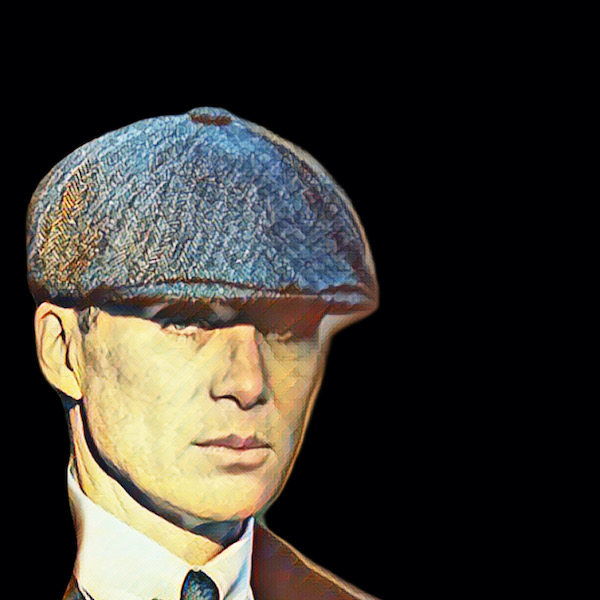
Lizzie and the Most Intimate Absence
Of all Tommy’s losses, Lizzie Stark cuts deepest. After Ruby’s death, their marriage disintegrated.
Lizzie — tired of humiliation, betrayal, and silence — did what no one else ever could: she left him.
Not out of hatred, but exhaustion.
The absence of Natasha O’Keefe in the film confirms what the finale already implied — Lizzie freed herself from Tommy. And more: she left with Charles, Grace’s son, the child Tommy could never love without guilt.
That absence defines The Immortal Man. Without Lizzie, Tommy loses his human mirror.
Grace and Lizzie were the only ones who ever saw the man beneath the myth. With both gone, what remains is the shell — the haunted survivor who confuses endurance with meaning.
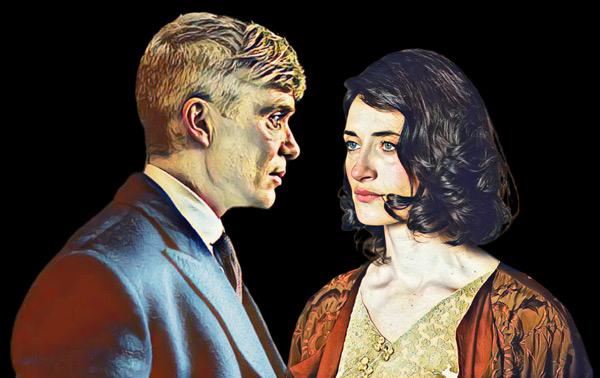
The Divided Legacy
Tommy’s sons are his duality made flesh.
Charles, the legitimate heir, represents the world Tommy wanted — order, legacy, control.
Duke, the illegitimate one he only met after he had grown up, represents the world he built — violence, instinct, chaos.
If succession plays a part in the film, this conflict is inevitable: the son who rejects him versus the one who mirrors him too closely. Not forgetting the younger brother, Finn, who betrayed the Shelbys and became a major surprise antagonist at the end of Peaky Blinders.
With Polly gone — the only person capable of stitching the wounds — the next generation is destined to bleed.

Arthur and the Echo of the Dead
Arthur lives, but barely. Without Polly, without Tommy nearby, he’s the walking remnant of a war that never ended. Too old for the new fight, too broken for peace, Arthur embodies the persistence of trauma — the war that follows you home.
If The Immortal Man keeps Knight’s promise of a darker tone, Arthur will be its embodiment of the living dead.
A World in Ruins
Birmingham is once again being rebuilt. The bombs of the Second World War didn’t just destroy buildings — they shattered illusions. And that’s where Tommy reemerges: a man who has watched the world burn before, walking through a city that now mirrors his own wreckage.
The Shelbys, once synonymous with power, are relics of another time. But, as the title says, the immortal man never truly disappears. He returns when the world believes him gone — to settle scores, to finish what should have ended long ago.

The Weight of Absence
The Immortal Man will be shaped by what’s missing. No Polly. No Lizzie. No Michael. No Ruby.
The film doesn’t need to fill these spaces — it needs to live inside them. Each absence is a haunting, a reminder that Tommy’s empire was built on graves. Now, as war consumes the world, he stands alone, the last survivor of a dynasty that mistook endurance for immortality.
Tommy doesn’t need to die — he’s already done it too many times. The real challenge is learning how to live.

A New Beginning
If the series ended with him choosing life, the film must ask what for. The man who once manipulated fate is now just a name in a city rising from rubble. The Shelby empire will need to evolve — and evolution demands surrender, the one thing Tommy has never done.
The post-war years will not be his battlefield — they’ll be his reckoning. It’s the time of the sons, of ghosts turned into heirs, of ruins becoming legacy. And perhaps that is the true meaning of The Immortal Man: how to move forward when the past keeps calling your name.
Descubra mais sobre
Assine para receber nossas notícias mais recentes por e-mail.
 miscelana.com