
* Updated on 15 Feb 2026: Peter Claffey has officially denied that Henry Cavill is involved in the series.
Nothing is confirmed, but it only took a resurfaced interview clip in which Dexter Sol Ansell and Peter Claffey, the two stars of the current Westeros fever A Knight of the Seven Kingdoms, mentioned Henry Cavill’s name for the internet to explode. For many people, that alone becomes synonymous with a clue that the actor could finally enter the Game of Thrones universe.
Could it be?
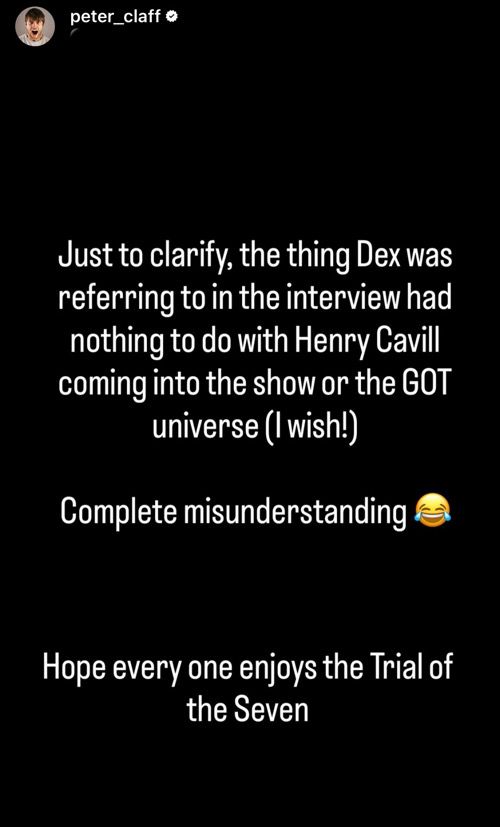
Spoiler: Peter Claffey himself returned to social media to clarify the misunderstanding. Or at least to try. (see below)
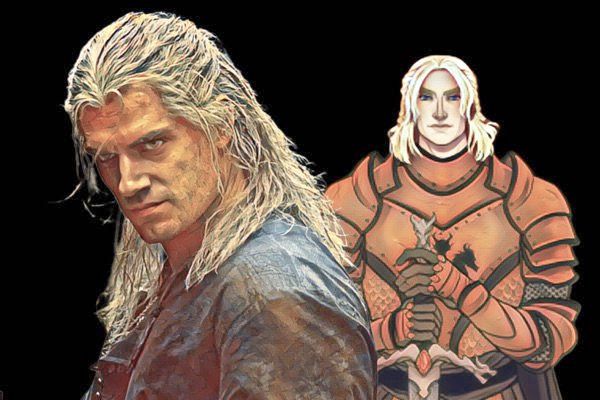
For years, Cavill has seemed like the recurring social media favorite for any major role that would place him inside the franchise, and the name most associated with him is usually Aegon Targaryen the Conqueror, a central figure in one of the projects HBO has been developing. The point is that, within the timeline of A Knight of the Seven Kingdoms, there is a possibility that feels even more functional for television logic and for the kind of high-impact entrance HBO likes to keep as a surprise, because the role allows monumental presence without requiring continuous participation.
The possibility of Cavill appearing in the second season as Daemon Blackfyre, therefore, would not only be a beautiful fandom delusion but a guess that speaks directly to the political architecture of the story itself.
The Blackfyre Rebellion, as I wrote a few days ago here on Miscelana, is one of the deepest crises in the Targaryen succession and practically redefined the balance of power in Westeros. It is a civil war triggered when Daemon Blackfyre, the legitimized bastard of Aegon IV, claimed the Iron Throne against his legitimate half-brother Daeron II, splitting the continent between two rival lines and inaugurating decades of instability.
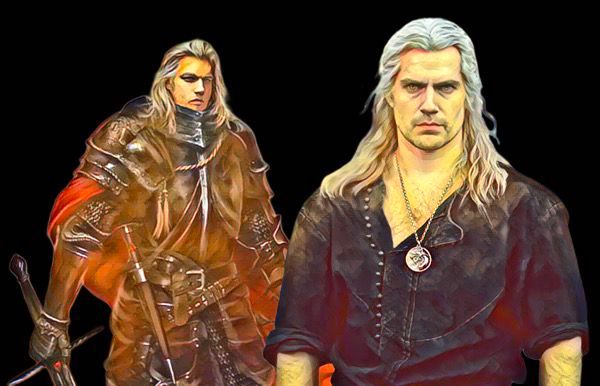
Daemon is born as Daemon Waters, the son of Aegon IV and Princess Daena Targaryen, and he grows up at the heart of power, raised in the Red Keep with royal blood on both sides. While still young, the king knights him and grants him the sword Blackfyre, Valyrian steel associated with kings and with the myth of Aegon the Conqueror, a gesture interpreted by many as an implicit signal of preference in the succession.
When Aegon IV legitimizes all his bastards on his deathbed, Daemon shifts from an ambiguous figure to a plausible claimant, and the mere existence of that alternative is enough to corrode the authority of the new king.
Daeron II’s reign, marked by diplomacy and the integration of Dorne into the realm, intensifies resistance among nobles who preferred a warrior monarch and, more than that, who saw the agreement as a humiliating concession and a cultural shift inside the court. In that context, Daemon becomes dangerous not only because he is charismatic and martial, but because he offers many people the fantasy of a return to what they imagine to be the proper way to rule.
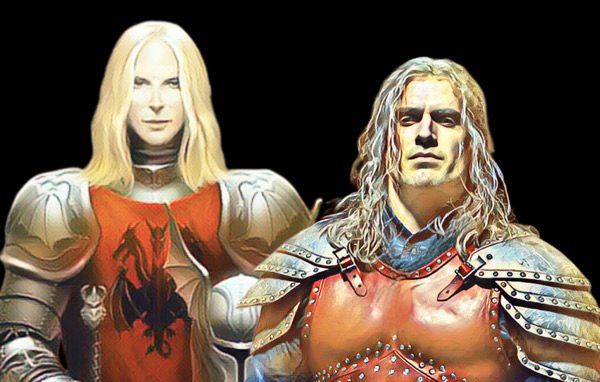
His rebellion culminates at the Battle of Redgrass Field, where Daemon is killed by a volley of arrows and falls alongside two of his eldest sons. The defeat ends the war at that moment. Still, it does not end the threat, because the Blackfyre name continues to resurface for generations as a danger, a conspiracy, and a reminder that House Targaryen has always been one step away from imploding from within. For A Knight of the Seven Kingdoms, that matters because Dunk and Egg’s adventures happen in a world where the shadow of the Blackfyres still hangs over the realm, shaping paranoia, alliances, and the sense that peace is only a fragile veneer.
That is precisely why Daemon Blackfyre has become, for many fans, the most elegant possibility for Henry Cavill within A Knight of the Seven Kingdoms. Daemon is already dead in the series’ main timeline, which makes room for flashbacks, prologues, or dramatized retellings without demanding constant presence from the actor. At the same time, he is big enough to justify a high-impact global star. The role requires physical presence, magnetism, and an authority capable of reading as an inspiring leader, followers, and an existential threat to the kingdom, which is where the fandom’s dream meets a real narrative logic, without needing massive time jumps or depending on a distant project like the Conquest to make sense.
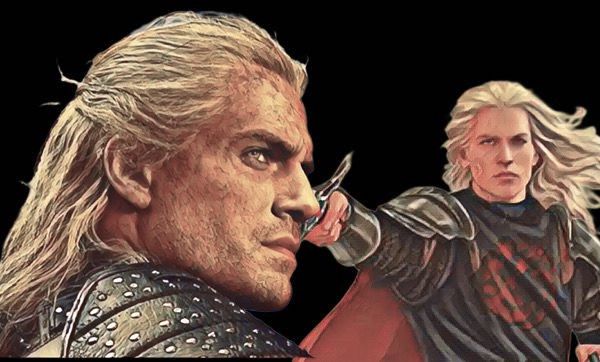
Whether it is true or not, neither Dexter Sol Ansell nor Peter Claffey could confirm it at this moment, since HBO’s secrecy is notoriously strict and any casual comment can be interpreted as a spoiler. Cavill himself has been seen filming Highlander, which makes any schedule purely speculative.
To put the matter to rest, or at least to protect himself, Peter posted on his social media: “Just to clarify, the thing Dex was referring to in the interview had nothing to do with Henry Cavill coming into the show or the GOT universe (I wish!). Complete misunderstanding 😂. Hope everyone enjoys the Trial of the Seven.”
Still, whether as Aegon the Conqueror or as Daemon Blackfyre, what moves the fandom is something simple and deeply human, the idea that, if this casting ever happens, it will be celebrated as a collective victory, as if years of fancasts, debates, and obsessions had finally crossed the border between imagination and reality.
Descubra mais sobre
Assine para receber nossas notícias mais recentes por e-mail.
 miscelana.com