
When he turned 80 years old, Marius Petipa was more than established in Russia and was already the greatest choreographer of his time. The year was 1898 and the Frenchman had already delivered some of his main works, such as Sleeping Beauty.
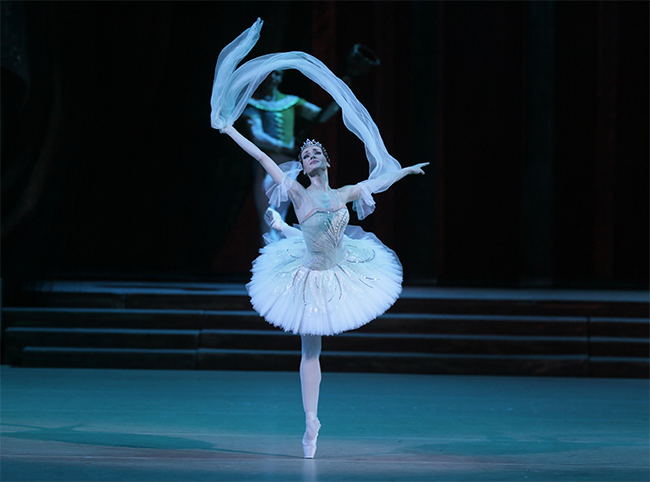
After the success of La Bayadére, which centered its story on exotic India, Ballet Imperial wanted to repeat the formula. Thus came the concept of setting a ballet during the Crusades, where a woman was loved by two men from opposing cultures, exploring the clash of cultures. Thus came Raymonda, one of Petipa’s final and most successful ballets, closing the golden years of his career.

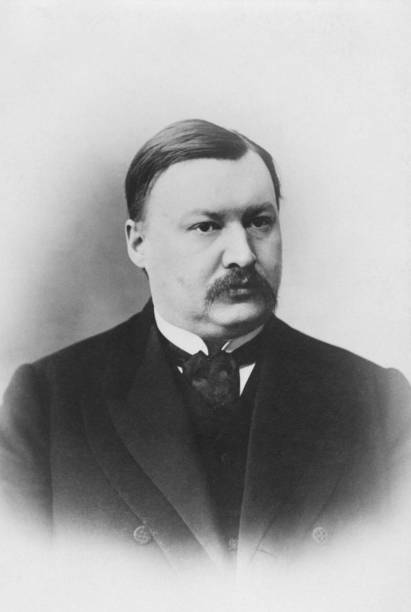
The music was commissioned from the Russian composer Alexander Glazunov who, in George Balanchine‘s opinion, would have written some of the most beautiful music in classical ballet in this work, full of grandiose waltzes. Still almost inexperienced at the time, Glazunov was chosen, at the age of 32, because Pyotr Ilyich Tchaikovsky, Petipa’s favorite author, had died suddenly. The relationship with the detail-oriented and controlling choreographer was not easy, with the author refusing to change his music.
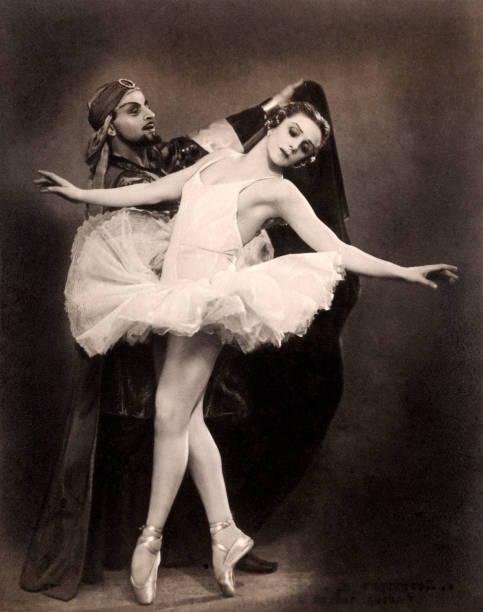
The libretto was created by the author and columnist, Countess Lydia Pashkova, but was practically rewritten by Petipa. In terms of story, Raymonda brings together “traditional” elements of parties, dreams, and weddings, mirroring the structure of Sleeping Beauty, sometimes even more than that.
Raymonda’s entrance, for example, is reminiscent of Aurora’s. The act of vision brings lovers together in an atmosphere of magic until the traditional wedding closes. Set in Medieval Europe, the heroes are knights from the Crusades, the antagonist is the mysterious foreigner and there is also the White Lady. For the choreographer, the production provided the chance to work with one of his favorite dancers, Pierina Legnani, who created the title role.
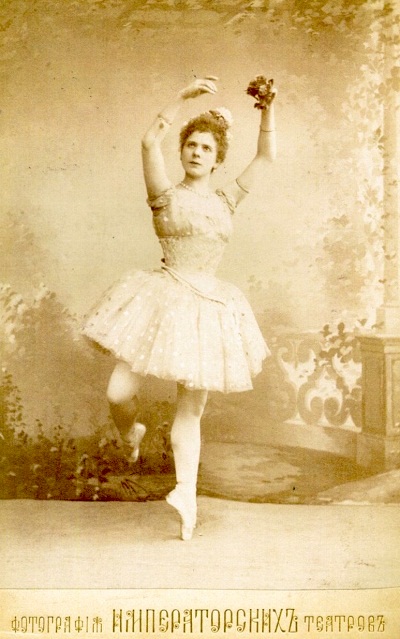

Because Pierina was a virtuoso, there are six variations to this day, including the famous “scarf variation” and the Grand Pas solo at the end. The Italian caused a sensation in her second act variation when she performed a sequence of entrechats quatre done sur la pointe.

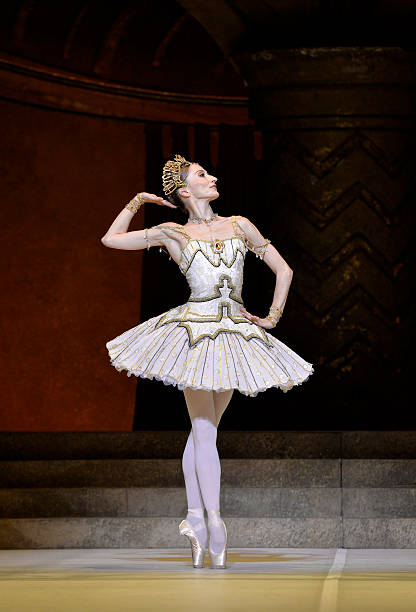
The Raymonda we know is the 1948 version, by the Kirov Ballet, by Konstantin Sergeyev, who made profound changes, especially to the corps de ballet parts, becoming the “official” one. The original steps were saved by the Stepanov notation method, around 1903 during rehearsals in which Petipa was training Olga Preobrazhenskaya in the title role.
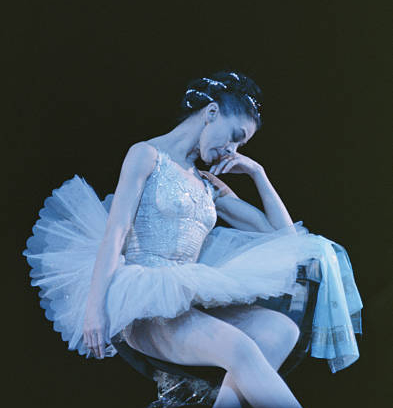
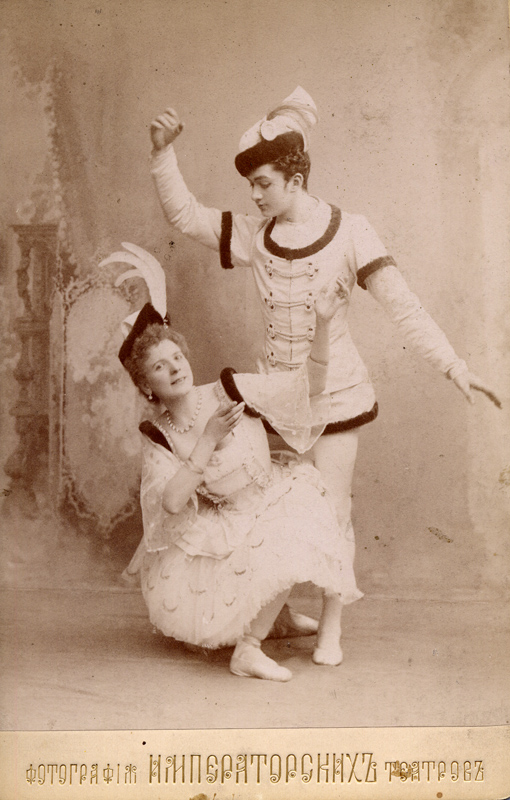
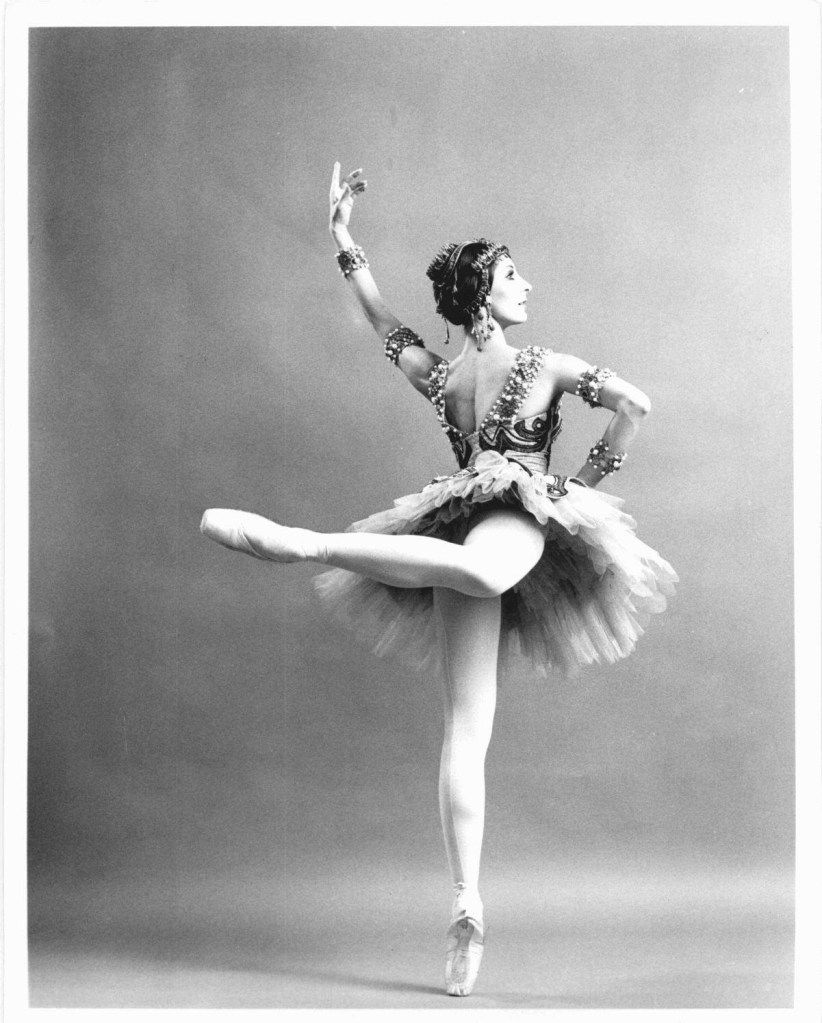
The Hungarian Grand Pas Classique, from the last act, is often presented separately and is considered one of Petipa’s masterpieces, rather than the complete work. A ballet that deserves its highlight.
Descubra mais sobre
Assine para receber nossas notícias mais recentes por e-mail.
 miscelana.com