
The sad story of a dancer who, at the height of her career, at the age of 27, loses the movement of her legs is absolutely touching. Tanaquil LeClercq was the muse of the genius George Balanchine, discovered by him as a child, his wife when she became an adult, and a legend in classical ballet. However, it was a tragic turn of fate, which speaks to us a lot in pandemic times, that changed the trajectory of one of the greatest. Tanny never reached stratospheric stardom because she was infected by the polio virus, on a trip to Europe during the pandemic, and became paralyzed. I’ve posted about her here several times. Today, on Dancer’s Day, I’m talking about her biography, Dancing Past the Light: The Life of Tanaquil LeClerc, which has not yet been translated into Portuguese.
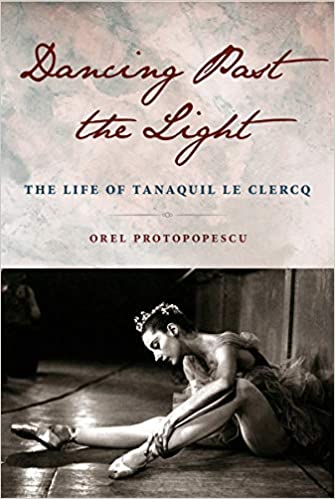

The author, Orel Protopescu, was also impacted by the little we knew, always a satellite in other people’s stories, especially that of George Balanchine, and decided to embark on research into the reclusive and lesser-known story of the ballerina, who, in addition to losing the ability to do What she loved, dancing, over time Tanny also saw her husband fall in love with new dancers and – especially Suzanne Farrell – and went through more of this pain.
The result is fascinating. With detailed stories and reports from the dancer’s close friends, we learn about her strengths, difficulties, moods, victories, and defeats in a way that few biographies can. Orel is enchanted by Tanny, and so are we. It is an inspiring story of overcoming, commitment, and yes, resignation. And it is also, more than once, a love story. Not necessarily with Balanchine, but with another dance genius, Jerome Robbins.


Tanny and Jerry met as partners in Balanchine’s dance company and the love triangle of two of the greatest and most influential choreographers of the 20th century, in love with the same dancer, could generate a lot of romantic content. Tanny chose Balanchine (“a case of he got there first,” she told Robbins), but the love and friendship she maintained with Robbins until the end of their lives is what is the soul of this biography. An intellectual, platonic (and possibly carnal at some point) passion, it is exciting to follow the letters and ups and downs of two people as connected as the two of them. I particularly didn’t expect this discovery and it makes me look at Jerome Robbins’ work from a different perspective.

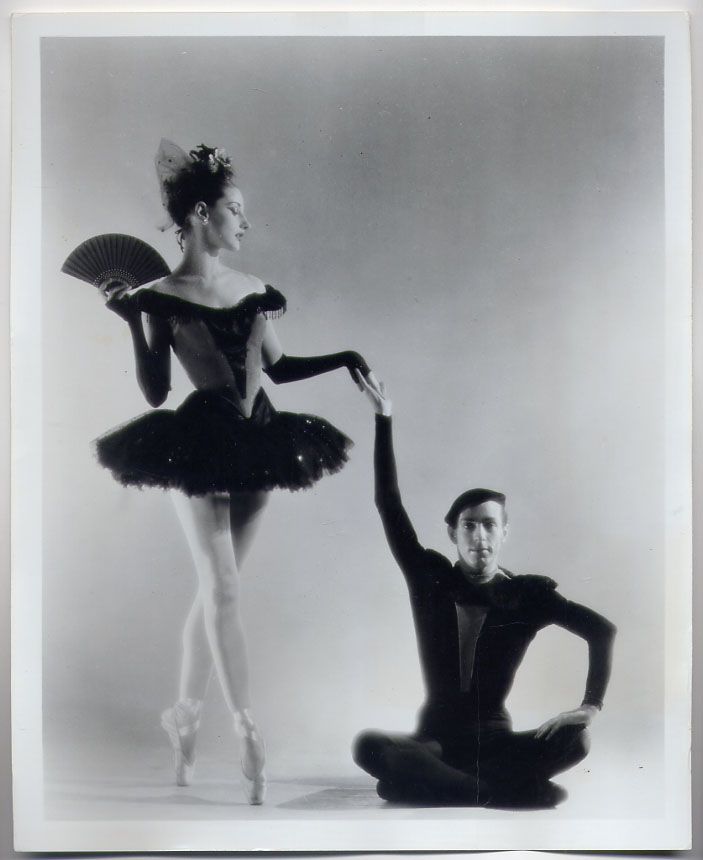
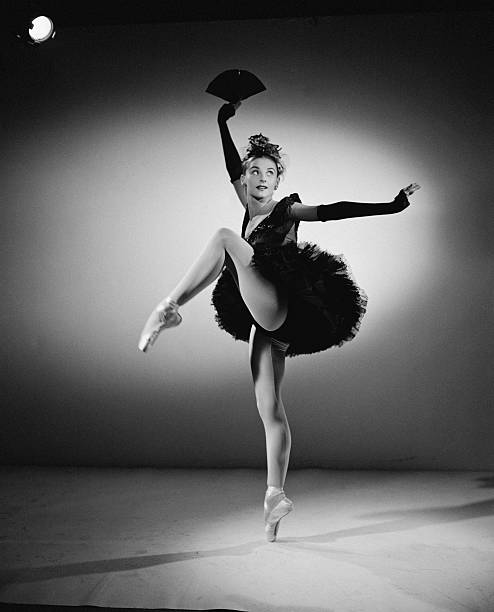
Tanaquil’s personality, as strong as her dancing, makes her process of adapting to life as a wheelchair user as complex as she is. Her pain of being tied to a chair in a society that is not inclusive even today is uncomfortable when reliving the time. A creative and independent person who now has to be taken care of, an artist who is confined but who is still inspired, who continues living and refuses to victimize. Incredible. She wrote books and gave classes even without being able to walk. Overcoming on every page.
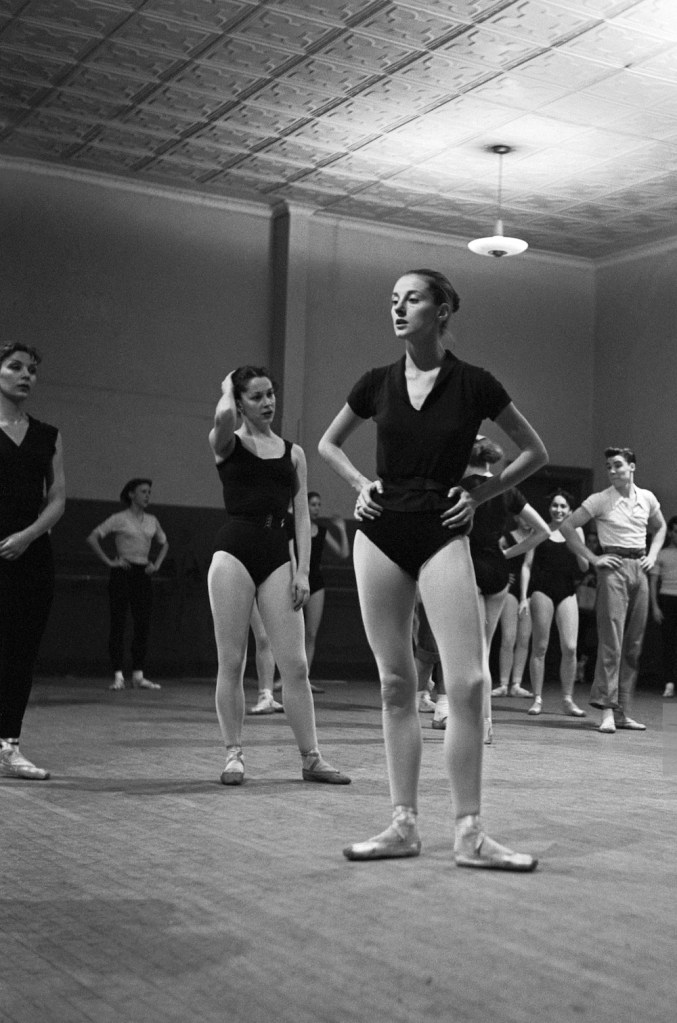

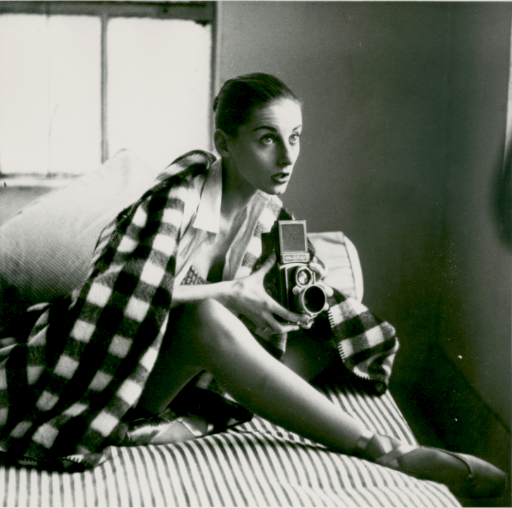
For those who can read in English, there is no small recommendation. It’s a beautiful book. A story that truly deserved to be told and recorded. Having read Balanchine’s biography before, I will now turn to Jerome Robbins’.


Descubra mais sobre
Assine para receber nossas notícias mais recentes por e-mail.
 miscelana.com