
After decades as one of cinema’s greatest idols, Charlie Chaplin reached middle age experiencing rejection from the country he adopted as his own, the United States. He was a “citizen of the world”, never giving up his British passport, but essentially made himself an artist in Hollywood. Paradoxically, it was when he gained a voice that he began to annoy American conservatives, although all of his work – even in silent films – has been critical of capitalism, greed, and conservative society. The Great Dictator, made and released during the 2nd World War, was acclaimed, but, after the conflict, the Cold War put the comedian in a boiling pot. With a personal life that, in retrospect, places him as a pedophile, and even at the time was uncomfortable, it was his politics that led him to exile in Europe and the distance from the Art that he helped to create and popularize: cinema. In this troubled period of his career, his talkies were not appreciated as the previous ones, although today they are adored.
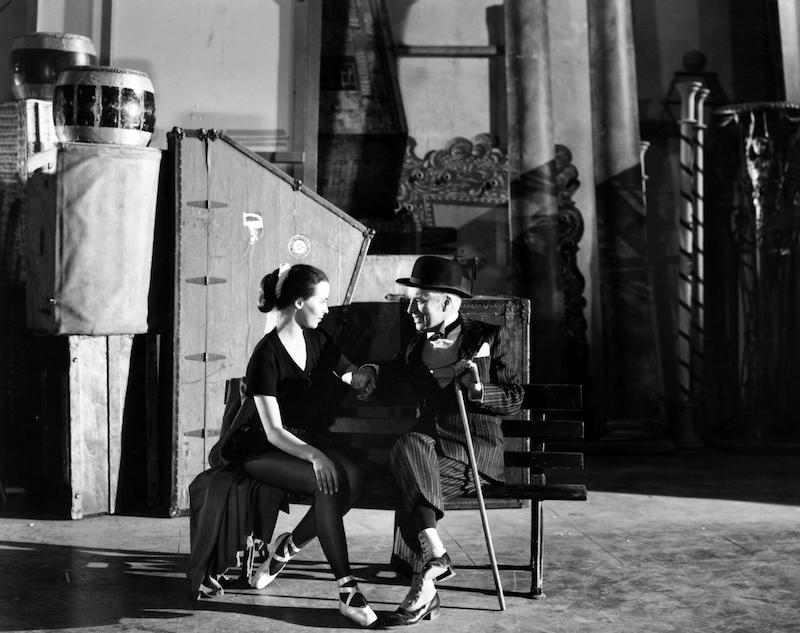
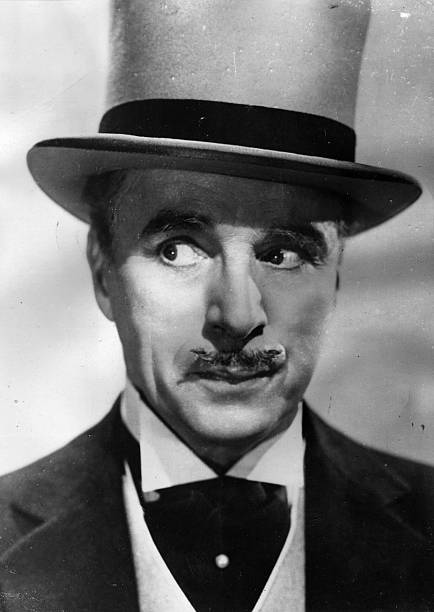
Monsieur Verdoux, a crime comedy as he sold it, used a real case of a serial killer to be a vehicle in which Chaplin shared his sardonic view of war, contributing to the perception of a foreigner with anti-American views. Although in his personal life, he was at the peak of happiness, married to Oona O’Neil, nostalgia gained weight in his career, leading him to revisit the past in what would become his last film: Limelight. It’s where Chaplin gives his brilliant vision of the eternal legend of the clown and the Columbine.
If in all films there are parallels with his life, in this one he went straight to the source, putting his family and friends in scenes or cameos, openly taking inspiration from his father and mother for the main characters. He wrote a book (never published), Footlight, and from it he developed the screenplay for the feature film centered on the universe of his youth, the music halls of London at the beginning of the 20th century. Chaplin is the alcoholic and decadent clown Calvero, a comedian whose connection with the public has been outdated and today lives in ostracism. He helps his neighbor, a young ballerina, Terry (Claire Bloom) whose fragile mental health made her lose the use of her legs, preventing her from dancing and awakening suicidal feelings. The unlikely partnership of the two is the heart of the film: he, older, loves life. She, young, wants to die. Together they save themselves, but life – of course – will bring more obstacles.
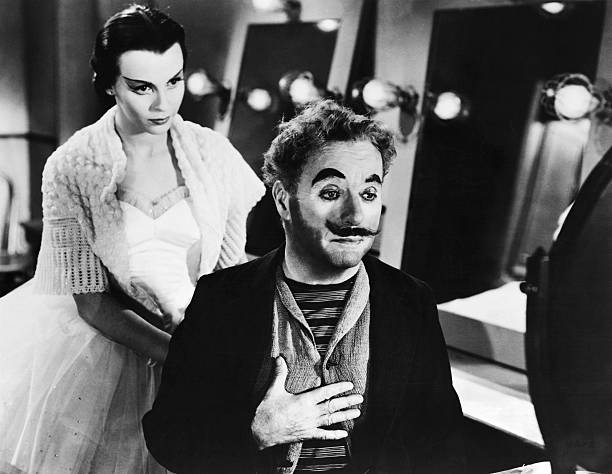
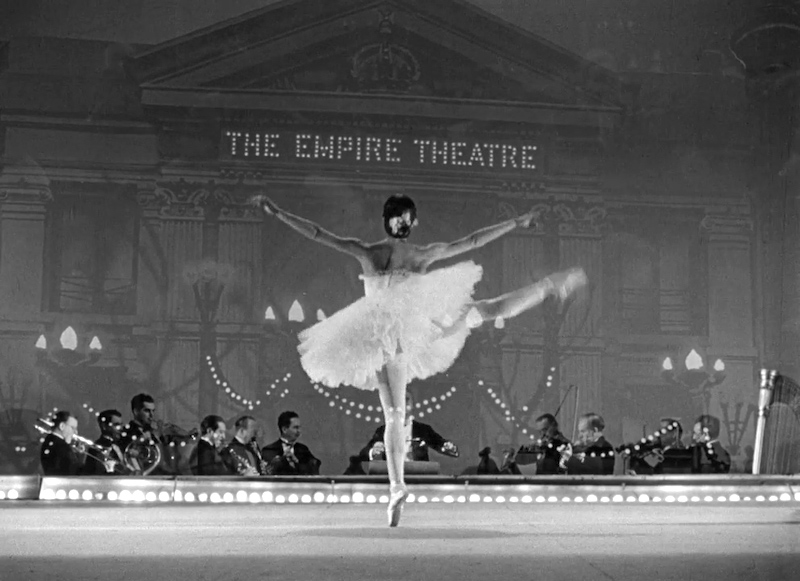
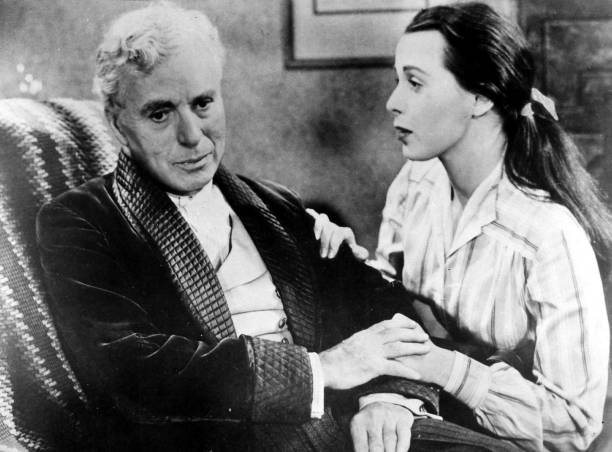
Calvero is inspired by the actor/director’s father, as well as the friends and mentors who helped him become an artist, and Terry is a cross between his mother, Hannah, and his first love, Hetty Kelly, played by a young Claire Bloom, already making success on the London stages but still unknown in the world of cinema.
In the dance scenes, Claire was replaced by Melissa Hayden of the New York City Ballet. The music – composed by Chaplin – was another challenge for him. It’s just that the final ballet sequence needed 25 minutes and he had never – until then – composed something so intricate. Melissa and her partner André Eglevsky gave the director peace of mind when they ensured the music was suitable for choreography, including the classic waltz theme that would go on to win an honorary Oscar twenty years after its release. Also, in a long sequence that pays homage to silent cinema, we have Charles Chaplin and Buster Keaton for the first (and last time) sharing the screen. A show of humor and intelligence from both.
Already knowing that Limelight would be “his last film”, we see a star in his maturity, sadness, and hope at the same time. At 63 years old and behind the Calvero mask, Chaplin gave us a powerful dramatic interpretation. And as he himself tells us, time doesn’t change things, but you still have to move forward. Ever.
Descubra mais sobre
Assine para receber nossas notícias mais recentes por e-mail.
 miscelana.com
1 comentário Adicione o seu