
In an era where films and series are increasingly inspired by true stories, avoiding spoilers has become practically impossible. When we watch productions based on historical events or biographies, we already know the final fate of the characters before we even begin. But what about when the story is not real, but rather part of a fictional universe?
Prequels face this unique challenge: how to keep the audience invested in a plot whose outcome is already written? Series like Andor, Vikings, House of the Dragon, and The Last of Us explore this question in different ways, but they all share one thing in common: they do not rely solely on the inevitable fate of their protagonists, but rather on the path that leads them there.


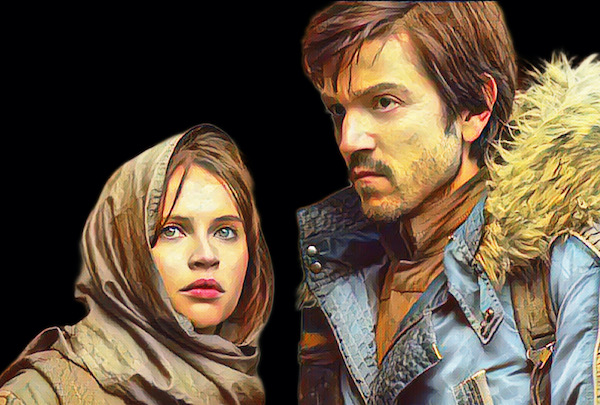
The key to a successful prequel is its approach. Instead of focusing on the suspense of what will happen, it must build an engaging narrative that makes the audience wonder how it happens and why it matters. In Andor, for example, Cassian’s tragedy has already been revealed in Rogue One: he will sacrifice himself so that the Rebellion can obtain the Death Star plans. However, the series does not limit itself to showing a Cassian who has already converted to the Rebel cause. On the contrary, it builds his journey from a cynical and individualistic man to a revolutionary willing to die for something greater. Each episode expands his story, adding layers to his personality and making his sacrifice in Rogue One even more significant.
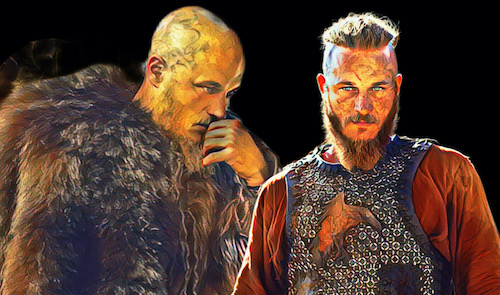
The same happens with Vikings. Ragnar Lothbrok’s story is based on legends and historical accounts, and fans already knew that his death was inevitable. Still, the series managed to transform his trajectory into a captivating narrative, exploring his internal conflicts, ambitions, and legacy. Instead of just showing what was already predetermined, the series enriches his character, making his fall an event as grand as his rise.
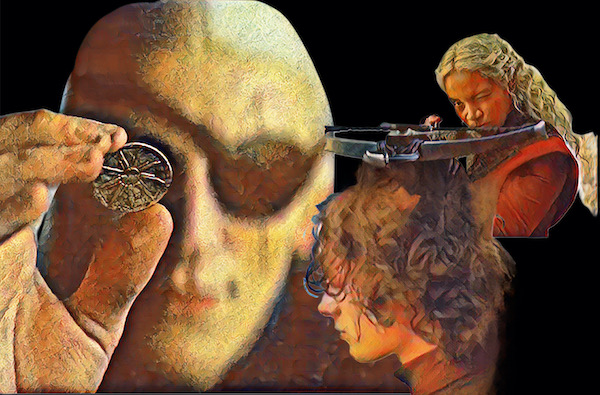
In House of the Dragon, based on the book Fire & Blood, Game of Thrones fans already know the outcome of the Dance of the Dragons. Important moments such as character deaths or accidents that would change the course of the story were discussed in detail years before the series aired. The same is true now that they have started filming the third season: we know what is coming. Or so we think.
Even so, House of the Dragon manages to capture our attention by exploring the interpersonal relationships, political disputes, and motivations of each character. Knowing who dies or who wins the war does not diminish the tension of the conflicts presented, as the real interest lies in how each choice and betrayal shapes the course of the story.
No franchise explores the prequel structure as much as Star Wars. The prequel trilogy, made up of The Phantom Menace, Attack of the Clones, and Revenge of the Sith, shows us the rise and fall of Anakin Skywalker, transforming Darth Vader from a simple iconic villain into a tragic character. Even knowing that he will become the dark lord of the Empire, following his gradual corruption at the hands of Palpatine is an exercise in frustration and melancholy. His fate is sealed, but every moment that brings him closer to it carries immense emotional weight.
The film Rogue One is also an excellent example of how a prequel can transform a well-known event into something powerful. Since A New Hope, we knew that the Death Star plans were stolen by the Rebel Alliance, but we never knew the story behind this feat. The film introduces us to Jyn Erso and her group of rebels, building a narrative that culminates in her inevitable sacrifice. The emotional impact of the final scene, where the plans are transmitted moments before the destruction of Scarif, turns what was once just a detail in the saga into one of the most emotional moments in the franchise. And there is a prequel to the prequel with Andor.
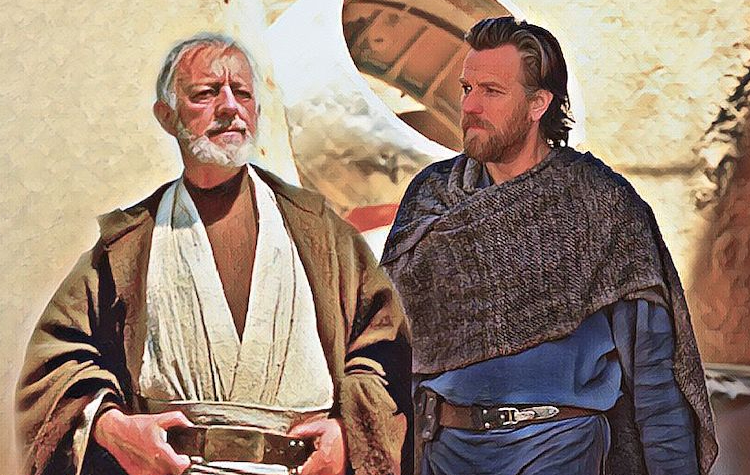
In addition, spin-offs such as Obi-Wan Kenobi and The Bad Batch follow this logic, filling in gaps in the story and expanding the mythology of the Star Wars universe. In Obi-Wan Kenobi, we already know that Obi-Wan and Darth Vader will survive, but that doesn’t stop the series from exploring their pain, remorse, and their troubled relationship with the past. In The Bad Batch, we follow a group of renegade clones shortly after the rise of the Empire, watching the Republic transition to Palpatine’s authoritarian regime.
Although The Last of Us is not a prequel in the traditional sense, the HBO series, like the game, includes moments that function as prequels within the main narrative. The episode Left Behind, based on the DLC for the first game, explores Ellie’s story before she meets Joel. We know that Riley, her friend, and possible first love, will not survive. We know that Ellie will be marked by this loss. But that doesn’t make the story any less impactful – on the contrary, it makes each moment between them more precious, as we already carry the weight of the inevitability.
The second season of The Last of Us will also work with this idea, adapting events from the game The Last of Us: Part II. Since players already know the fate of important characters, the series will be able to use this knowledge to intensify the emotional charge of each scene, giving new meaning to moments that previously seemed trivial.

The secret to the success of a prequel lies in its ability to deepen the characters and make their emotional journey engaging enough that the audience doesn’t just get caught up in the final destination. When done well, they not only expand a character’s story but enrich the universe around them. Well-constructed prequels allow us to see events and characters from new perspectives, adding complexity to stories we already know. In Andor, my heart goes out to me with every step Cassian Andor takes toward his heroism, and the parade of characters who aren’t in other stories makes me fear for each one that enters the scene.
In addition to the heroes of Star Wars, the same thing happens with The Last of Us, both returning to our lives in April 2025. Knowing the end of a character does not mean that their trajectory will be less interesting because the real weight is not in the fate of the characters, but in the way they reconfigure our view of what we already know. If well constructed, they transform a tragic ending into something even more meaningful, because, in the end, it does not only matter how a hero dies but also how he lived. Do you agree?
Descubra mais sobre
Assine para receber nossas notícias mais recentes por e-mail.

