
When Jeffrey Epstein’s name first began circulating globally, he was described simply as a “millionaire.” Despite his ties to famous artists and British royalty, he remained an enigma. That mystery only deepened with his death — officially ruled a suicide, though disputed by various sources — in 2019, before he could be brought to trial. Among the names most frequently cited as his personal “friends” were then-Prince Andrew and the current U.S. president, Donald Trump. Andrew has acknowledged his closeness to Epstein; Trump, by contrast, has always been more evasive.
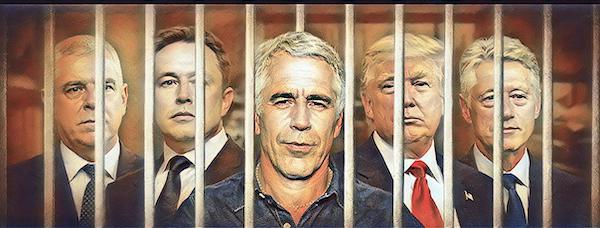
After countless news reports, lawsuits, books, and documentaries, pressure mounted for the public release of the files tied to the case that never reached trial. Trump sought to downplay their importance; others claimed there was nothing particularly revealing in them. That was not true. What emerged is even more disturbing than anticipated — not because it delivers direct accusations, but because of what it exposes structurally.
What is coming to light with the final release of documents related to Jeffrey Epstein is not a revelation in the classic sense. There is no single, explosive piece of evidence that reorganizes everything we thought we knew, no hidden name that suddenly “explains” the entire scandal. What exists instead is something far more uncomfortable: the documentary crystallization of a system that always operated in plain sight and was nonetheless treated as peripheral, inconvenient, or manageable.
The millions of pages now public gather what the state accumulated over the years. Emails, text messages, internal reports, tips sent to the FBI, calendars, travel records, photographs, videos, and notes that show how Epstein moved, whom he spoke to, who welcomed him — and who remained close even after his first conviction in 2008. This is a sociological archive more than a criminal one. It describes an ecosystem of proximity, access, and tolerance, not a clear sequence of crimes attributable to third parties with sufficient evidentiary weight for formal charges.

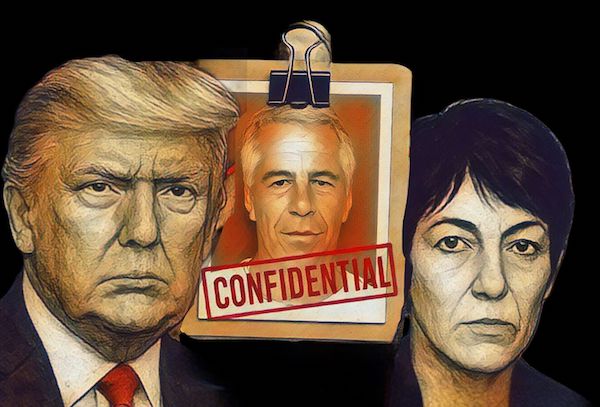
And that helps answer the central question: no, this was not exactly the material that would have been used in a conventional criminal trial against Epstein. Much of it exists precisely because the process had already failed. Epstein died in 2019, before standing trial in the new federal sex-trafficking case. The trial that never happened is the great black hole at the center of this story. Without it, these documents ceased to be instruments of prosecution and became records of context, backstage dealings, and behavior.
So what happens, concretely, now with these documents? From a legal standpoint, almost nothing immediately. Their release does not reopen the criminal case against Epstein, which ended with his death, nor does it automatically turn the people mentioned into defendants or suspects. These documents are not indictments, not charges, and do not, on their own, function as judicial proof.
That is because much of the material made public consists of unverified tips, email exchanges, records of social interaction, calendars, and side comments. In a traditional criminal proceeding, very little of this would ever reach a jury. Such material serves investigative purposes — cross-checking information, identifying patterns, building context — but it does not sustain direct convictions without independent evidence, corroborated testimony, or crimes that are still within the statute of limitations.

The real effect lies elsewhere. These files now exist as an official public record, shifting the Epstein case into the realm of institutional and historical accountability. They may support civil lawsuits, the reassessment of old settlements, and investigations into state failures, while forcing public authorities to explain why warnings were ignored, why such lenient agreements were reached, and why the trial never took place. They do not deliver retroactive justice, but they prevent erasure. The case moves beyond the strictly legal and becomes a permanent problem of memory, power, and responsibility.
That is why frustration is almost inevitable. Transparency promised catharsis but delivers ambiguity. It promised symbolic justice but offers uneven exposure. Still, something fundamental remains: the documents exist, they are on record, and they cannot be erased. They do not close the Epstein case. They ensure it can no longer be conveniently forgotten.
Descubra mais sobre
Assine para receber nossas notícias mais recentes por e-mail.
 miscelana.com