
May marks the return of La Fille Mal Gardée to the stage of Rio de Janeiro’s Theatro Municipal as part of the company’s official 2026 season. Performances will take place throughout the month in a strategic position within the calendar, occupying the slot traditionally dedicated to classical repertoire before the season shifts toward more Brazilian and operatic titles in the following months.
The choice is far from accidental. This is one of the most accessible ballets in the repertoire, frequently used as an entry point for new audiences while also maintaining consistent interest among longtime balletgoers. By programming it at this particular moment in the season, the Municipal reinforces a balance that has increasingly defined its recent artistic direction: alternating works of strong tradition with projects aimed at renewal.
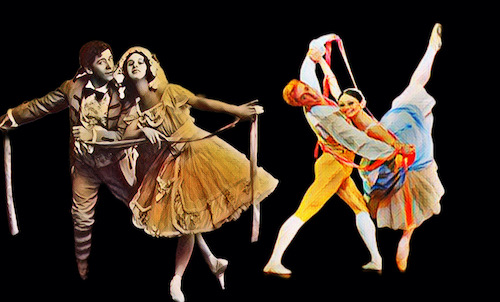
A recurring title within the company’s repertoire
La Fille Mal Gardée does not appear as an isolated novelty, but rather as part of an ongoing continuity. The ballet has belonged to the Ballet do Theatro Municipal’s repertoire for decades and has repeatedly returned as one of the company’s most versatile productions, both because of its structure and because of its enduring audience appeal.
That permanence is not merely a matter of tradition, but also of functionality within the company itself. The work allows multiple cast configurations, distributes protagonism across the ensemble, and creates opportunities for both soloists and corps de ballet members in a balance that remains rare within the classical repertoire.
Over the years, those qualities have transformed the ballet into a kind of structural axis within the company’s programming, returning in cycles that often accompany both leadership changes and broader repertory needs.
Cast and rotation dynamics
The 2026 season follows the traditional repertory-company practice of alternating casts, allowing different interpretations of the central roles throughout the run.
Lise and Colas, the ballet’s leading pair, carry both the technical and dramatic core of the work, demanding precision in partnering as well as mastery of style. Simone, meanwhile, occupies a central role in maintaining the production’s balance, requiring strong stage presence and impeccable comic timing while functioning as the bridge between humor and narrative.
That distribution system not only guarantees variety for audiences but also highlights an important aspect of the production itself: La Fille Mal Gardée is not a star vehicle built around a single performer, but a ballet that depends on collective functioning.
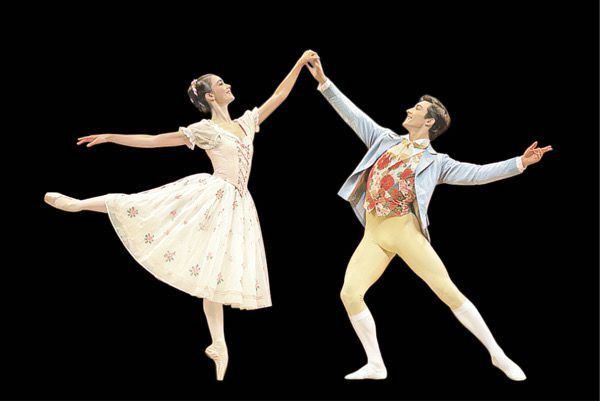
The production: tradition, scenography, and visual language
The production presented by the Municipal follows the tradition consolidated throughout the twentieth century, with sets and costumes that preserve the ballet’s characteristic pastoral atmosphere without conceptual relocations or radical reinterpretations.
That choice maintains the ballet’s visual identity, built around light colors, idealized rural imagery, and stage compositions that privilege direct narrative clarity. This is not a reinvention of the work, but rather a reaffirmation of its language.
The choreography, meanwhile, remains connected to the lineage that became internationally standardized through Frederick Ashton’s celebrated version, preserving the ballet’s most recognizable passages, including the ribbon dance and Simone’s clog dance, both of which function as immediate markers of the work.
One of the repertoire’s most popular ballets
There is a clear reason why La Fille Mal Gardée continues returning season after season. Unlike productions defined by tragedy or denser dramatic structures, this ballet is built around lightness, humor, and a straightforward emotional narrative.
That combination makes it particularly effective in its relationship with audiences. The story is understandable without mediation, the characters are immediately recognizable, and the choreography alternates moments of virtuosity with passages driven by theatrical character work, creating a rhythm capable of sustaining audience engagement throughout the entire performance.
It is no coincidence that this remains one of the most frequently revived titles in the ballet world and one of the very few eighteenth-century ballets to remain in continuous international circulation.
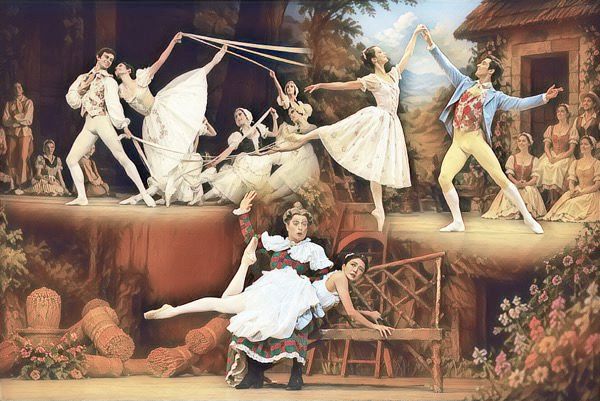
The ballet’s place within the 2026 season
Within the Municipal’s broader programming, La Fille Mal Gardée occupies a very specific role. It does not function as the season’s grand climax, but rather as its foundation. This is the kind of production that organizes the repertoire, establishes a point of stability, and prepares the ground for other artistic proposals.
In a year that includes everything from Brazilian music to the return of historic operatic productions, the presence of this ballet reinforces the idea of continuity. More than an isolated revival, it represents a reaffirmation of repertoire itself.
And perhaps that is precisely why it continues to remain there, not as an exception, but as part of what sustains the very structure of the season.
Descubra mais sobre
Assine para receber nossas notícias mais recentes por e-mail.

