
There is an unwritten rule in great heist stories: the more elaborate the plan, the easier it should be for us to understand what’s at stake. We don’t need to know every detail. We can be surprised by the traps, misled by the twists, and even discover that we’ve been fooled all along. But we need to care about the heist.
12 12 12, the new Apple TV series starring Jamie Dornan and Anthony Mackie, seems determined to challenge that rule.
The premise is interesting. A major heist requires 12 months of planning, 12 hours of execution, and, according to the statistic presented by the series itself, if those responsible aren’t caught within 12 days, they probably never will be. Hence the title and the narrative structure, divided among those three periods.
The problem is that a clever structural idea doesn’t necessarily make a good story.
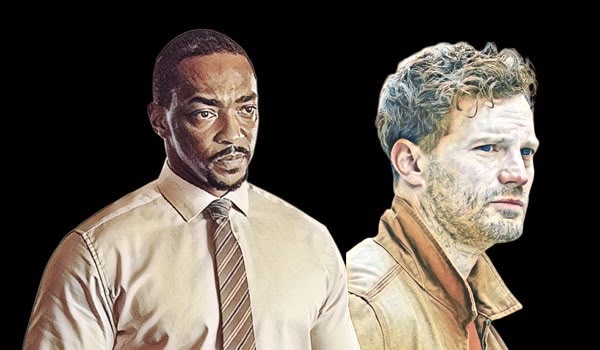
Jamie Dornan plays Paul Galvin, a professional criminal trying to leave his past behind who finds himself involved in another ambitious robbery in Switzerland. Anthony Mackie plays Jack Strickland, the FBI agent pursuing him. Between them are millions of dollars, complicated family relationships, debts, and an operation that demands an extraordinary level of planning.
All very familiar territory for anyone who enjoys heist movies. And there’s absolutely nothing wrong with that.
The appeal of Ocean’s Eleven, for example, never depended entirely on discovering how Danny Ocean would pull off his plan. It came from the pleasure of watching interesting characters, the intelligence of the dialogue, the rhythm, and the chemistry among the members of the team.
In 12 12 12, we have a structure that demands constant attention simply to organize events that, presented chronologically, might not be particularly difficult to understand.
Nonlinear storytelling can be brilliant. It can reveal information at precisely the right moment, change our perception of the characters, and transform seemingly insignificant events into essential pieces of a puzzle. But it can also be a way of making an otherwise conventional plot appear more complex than it really is.
And that second possibility is beginning to bother me here.
The cast certainly isn’t the problem. Dornan has been building a far more interesting career than the popularity of Fifty Shades of Grey might have suggested. Mackie has the charisma and screen presence to carry an action thriller. Yet both actors must compete with a narrative that seems excessively concerned with demonstrating its own cleverness.
There is a difference between a series that demands our attention because it has something important to say and one that requires concentration merely to keep track of the order of events.
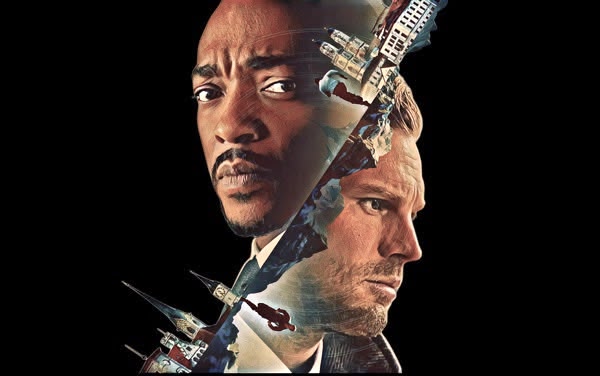
12 12 12 still has episodes to go, and it may eventually bring its various narrative threads together in a satisfying way. But so far, the effort required to follow the puzzle seems greater than our investment in its characters.
For a heist story, that’s a problem. After all, when the credits begin to roll, we should be desperate to find out whether the thieves are going to get away with it.
Not simply trying to remember which of the three timelines we’re in.
Descubra mais sobre
Assine para receber nossas notícias mais recentes por e-mail.

