
Stick, which premiered on Apple TV+ on June 4, 2025, marks Owen Wilson’s return to television in a leading role—as Pryce “Stick” Cahill, a former professional golfer whose career unraveled due to personal and emotional setbacks. The series follows his attempt at redemption as he becomes the unlikely mentor to Santi Wheeler (Peter Dager), a young and talented golfer battling demons of his own. Framed as a sports dramedy, the show unfolds in the deceptively tranquil world of amateur U.S. golf tournaments. Though comparisons to Ted Lasso are inevitable, Stick carves out its own tone—less sentimental, more restrained—focusing deeply on wounded characters and the fragile relationships that tether them to life. To be honest, if Stick were even close to Ted Lasso, it would be a good show. But it’s not.
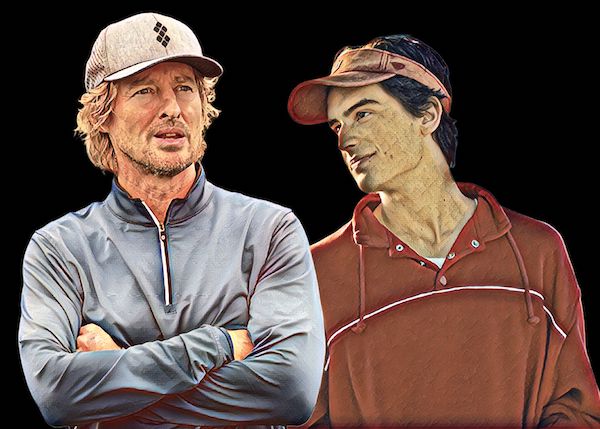
Created by Jason Keller (screenwriter of Ford v Ferrari) and directed in its opening episodes by Jonathan Dayton and Valerie Faris (of Little Miss Sunshine fame), Stick embraces a visual language that uses golf’s open landscapes as a metaphor for emotional isolation. The cinematography leans into bright, sun-drenched settings that contrast with the darker undercurrents in the characters’ psyches. Behind the scenes, the production blended spontaneity with technical precision. Owen Wilson was closely involved in shaping his character, improvising some of the series’ most resonant lines. He also underwent extensive training with golf consultants—not to glamorize the sport, but to make the role of a fallen pro feel believable.
Peter Dager, in his breakout role, emerges as one of the show’s key discoveries. His on-screen chemistry with Wilson builds gradually and convincingly, steering clear of clichés like the “surrogate father-son” trope. The supporting cast is equally strong: Judy Greer plays Stick’s ex-wife with a mix of steel and empathy, Marc Maron delivers perhaps his most bitter performance yet as a washed-up coach, while Lilli Kay and Mariana Treviño anchor subplots that explore lesser-known aspects of amateur sports—from image management to familial pressure and predatory mentorships.
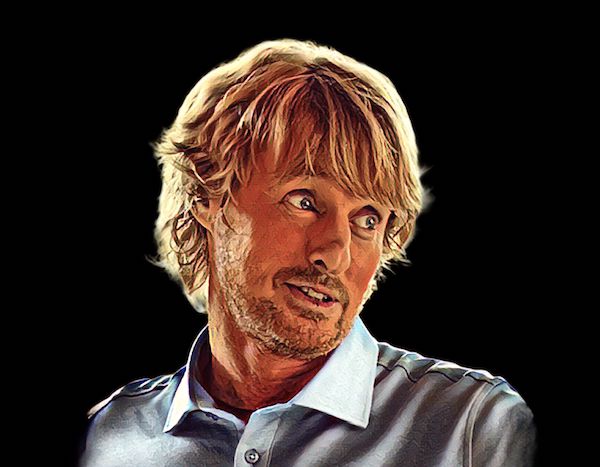
Narratively, Stick follows a familiar structure: the fallen hero’s road to redemption via someone else’s salvation. What sets it apart is the refusal to romanticize that journey. Both Stick and Santi are damaged individuals, and the show isn’t afraid to portray them making selfish, unkind, or simply bad choices. This emotional rawness is both a strength and a narrative weight. While the show strives for authenticity, some critics have pointed out its over-reliance on backstory trauma as a dramatic engine. Vulture noted that Stick often feels “stuck in the trauma plot,” a trap that many contemporary dramas fall into as they balance emotional depth with accessibility. To me, what’s getting tiresome is exactly the way Wilson speaks: it’s his trademark, but it feels drawn-out when he’s the lead.
Critical reception has been mixed. Time Magazine described Stick as a natural evolution from Ted Lasso, less dependent on charisma and more grounded in emotional truth. Others, such as The Washington Post, highlighted its slow pacing and predictability as potential drawbacks for wider audiences. Still, the show has drawn attention not only due to Wilson’s star power, but also for its unique portrayal of golf—not as spectacle, but as an introspective space for male vulnerability and quiet healing.
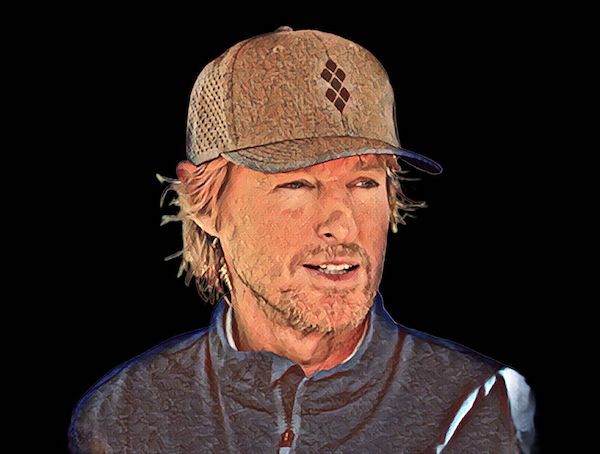
Behind the scenes, Peter Dager was cast through a combination of remote and in-person auditions. His performance has been praised for its unfiltered emotional honesty. The series also employed real amateur golf consultants to ensure authenticity—from club grips to the often-overlooked etiquette and regulations of regional tournaments.
Stick may not be groundbreaking, but it offers a sobering and tender look at connection, grief, and the slow burn of second chances, led by a charmingly subdued performance from Wilson. It asks for patience—but rewards viewers with quiet acts of humanity rather than loud emotional payoffs. Perhaps that’s the point: not every story hinges on dramatic turns. Sometimes redemption looks like a quiet walk to the next tee, sunlight in your eyes, and the long shadow of your past just behind you.
Descubra mais sobre
Assine para receber nossas notícias mais recentes por e-mail.

