
The costumes in The Gilded Age, designed by Kasia Walicka-Maimone, do not merely recreate a period — they interpret it. They translate the social codes and visual spectacle of 1880s New York into a narrative of luxury, power, and rivalry. Each dress has its own geography, mapped to convey status, ambition, and even the fragility of the woman wearing it. This is work that demands meticulous research and an eye that goes beyond fashion, understanding how clothing actively participates in the telling of a story.
The 1880s were a decade when fabric was architecture, and fashion was a social weapon. With the bustle back in vogue, silhouettes became sculptural again, dresses projecting not only outward but forward — a visual metaphor for women stepping, however cautiously, into public influence. Walicka-Maimone captures this in garments that move like set pieces, commanding space at balls, dinners, and drawing rooms. The result is a wardrobe that is not passive decoration, but a living extension of character.

One of the clearest parallels between historical garments and the series’ costuming can be found in a real 1883 evening gown by Charles Frederick Worth, now in the Kyoto Costume Institute collection. Crafted in deep red silk and velvet, with a high tulle neckline, elongated basque waistline, and a lavish bustle with a pleated train, the dress encapsulates every trend of the decade: the apron-style draped overskirt, the rigid bustle structure, and the explosion of color made possible by new artificial dyes. This interplay between architectural rigor and decorative exuberance is exactly the kind of reference the show transforms into dramatic language, allowing a modern audience to feel — if only subconsciously — the weight and opulence that defined the Gilded Age.
In The Gilded Age, nothing is accidental. A shade of green may signal a character’s social triumph, while the matte heaviness of velvet might betray her inability to adapt. A sudden flash of gold under gaslight may be more than a fashion choice — it can be a strategic moment of distraction, designed to pull a rival’s eyes (and attention) at a crucial social turning point. Clothing becomes a chess piece, moving in calculated patterns on the board of high society.
Walicka-Maimone’s work also refuses to treat the Gilded Age as a static museum exhibit. While historically accurate, the costumes are designed for the camera — fabrics catch light with cinematic intent, silhouettes are adjusted to convey character arcs, and accessories are wielded almost as props. Gloves are not just gloves; they are signals. A feathered fan may flutter in flirtation or snap shut in disdain. A hat can shield or reveal, its brim framing a character’s entrance like a scene curtain.
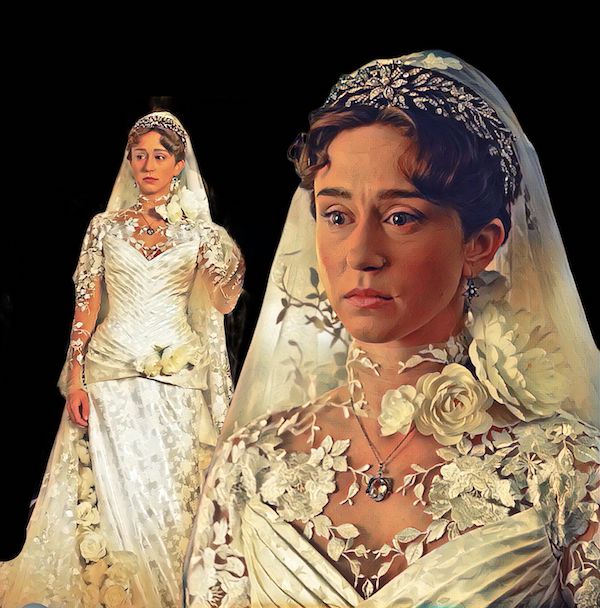

This dual approach — rooted in historical accuracy yet alive to modern visual storytelling — is what makes The Gilded Age’s costumes resonate. Audiences are not simply observing a well-dressed cast; they are reading a visual language in which every seam and stitch has meaning. For Gladys Russell, for example, dresses grow in complexity and richness as she approaches her social debut, reflecting her family’s rise and her own transformation from sheltered daughter to social player. In contrast, Marian Brook’s wardrobe, though elegant, often lingers in softer lines and lighter palettes, a visual echo of her relative naivety and outsider status.
The emotional weight of these choices cannot be underestimated. Costumes in this series work in concert with set design, lighting, and performance to immerse viewers in a world where appearance was currency — and where losing sartorial footing could be as damaging as a financial scandal. This was an era when society pages could ruin a reputation not only for a scandalous romance but for an ill-judged gown.
Walicka-Maimone and her team also make intelligent use of repetition and evolution. A certain cut of sleeve or embroidery motif may return across episodes, subtly tying a character’s present to her past. It’s a reminder that, unlike in many period dramas, the characters here are not receiving entirely new wardrobes every week — even the wealthy re-wore and reworked garments, a fact the production embraces for authenticity.
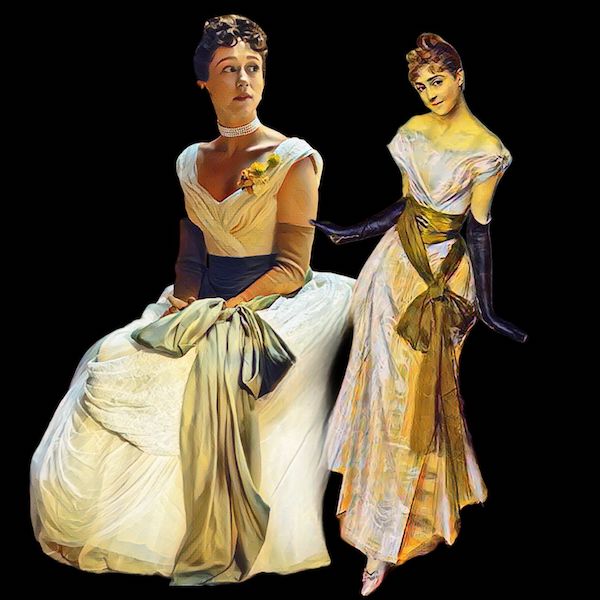

There is also an undeniable dialogue between these costumes and the audience’s own fantasies of historical fashion. While strictly accurate down to corsetry and understructure, the show is unafraid to heighten elements — a richer jewel tone here, a more dramatic sweep of skirt there — to align with how we wish the past looked. This bridges the gap between 19th-century reality and 21st-century perception, making the series not only a historical drama but also a piece of fashion storytelling in its own right.
The Worth gown, in this context, becomes more than a museum artifact; it is a Rosetta Stone for understanding The Gilded Age’s costume language. Just as Worth’s clients used clothing to sculpt their public image, Walicka-Maimone’s characters wield it as a tool of persuasion, seduction, or intimidation. The series mirrors the way real women of the era navigated an intensely visual society, where a gown’s cut could signal openness to a marriage proposal, or its color could align the wearer with a political or social faction.
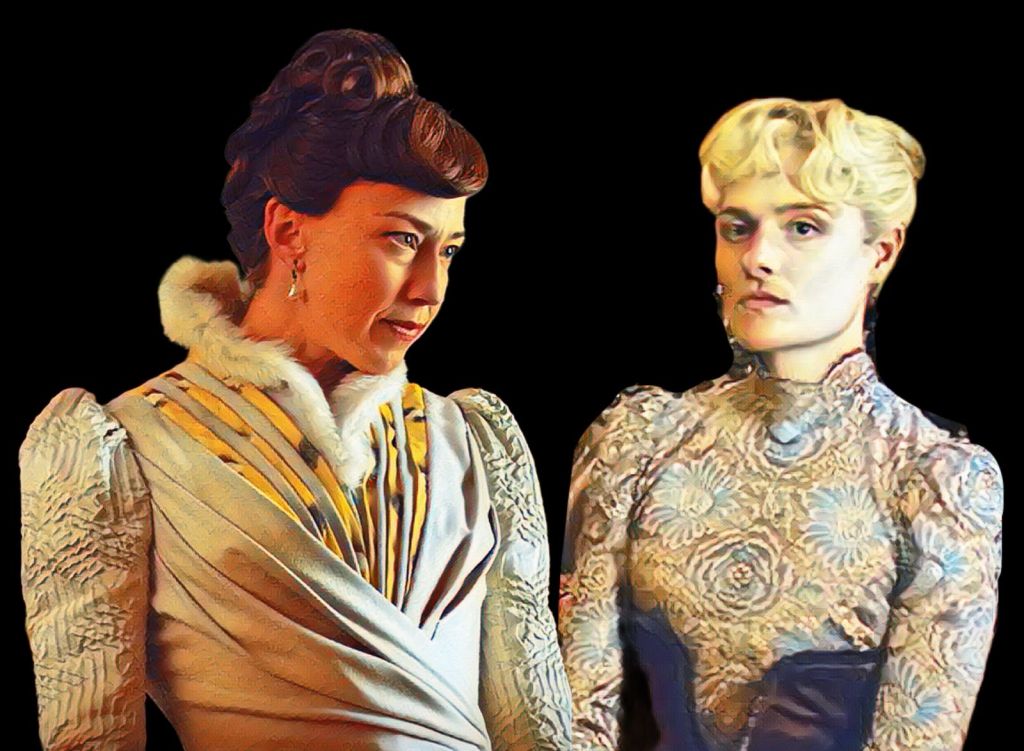
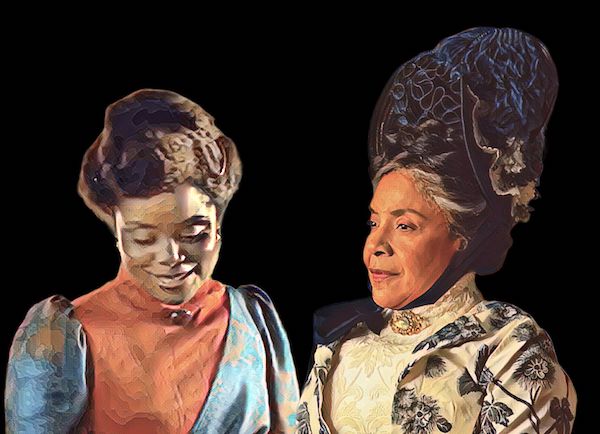

The result is a production where costumes are not the background, but the pulse of the scene. They frame gestures, set the rhythm of entrances and exits, and sometimes, without a single word spoken, deliver the most devastating lines of all. A rival’s raised eyebrow at the sight of an outdated sleeve can sting more sharply than any verbal insult. A deliberately underdressed appearance at an overdecorated ball can signal defiance as loudly as a slammed door.
In short, the clothing in The Gilded Age is not just what the characters wear — it is what they do. It is their weapon, their armor, their declaration. And in the hands of Kasia Walicka-Maimone, it becomes a central player in the drama, one as meticulously crafted and fiercely competitive as any power struggle in 1880s New York.
Descubra mais sobre
Assine para receber nossas notícias mais recentes por e-mail.

