
One of the most disturbing tragedies associated with Hollywood’s recent history — the murder of one of its most acclaimed and popular directors — remains, for now, suspended in legal time. Between technicalities, repeated delays, and the absence of key procedural steps, the case is effectively stalled, while crucial details, including the motive, remain out of reach.
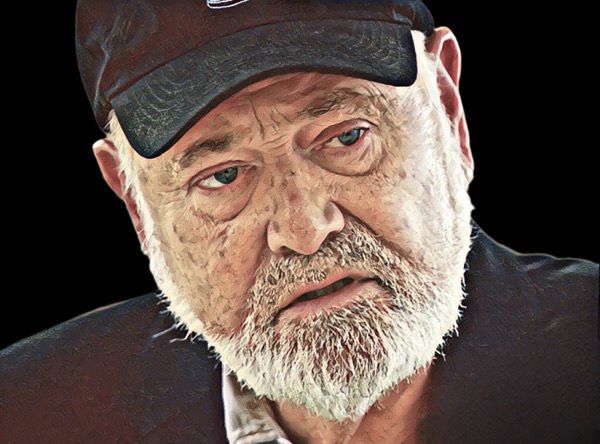
Rob Reiner and Michele Reiner were found dead in their home, stabbed while they slept, and the prime suspect is their own son, Nick Reiner. Arrested just hours after the killings, Nick pleaded not guilty, and since then, the case has moved at an uneven pace, defined more by postponements than by revelations.
From December through April, little — if anything — has been substantively addressed in court. At the April 29 hearing, itself already the result of a previous delay, the only development in a matter of minutes was the scheduling of a new date: September 15, 2026.
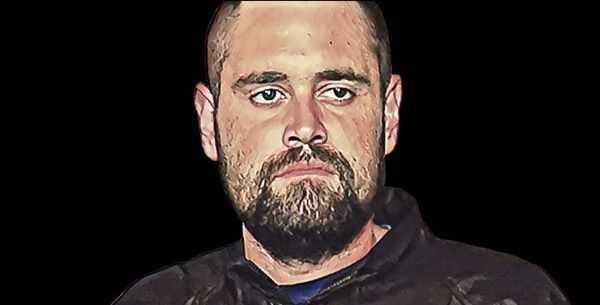
Nick Reiner, 32, faces two counts of first-degree murder with special circumstances. He remains in custody without bail and could face the death penalty, should prosecutors choose to pursue it.
What unfolded in court, once again, was the absence of any real progress. By agreeing to the latest delay, the defense gains time — time to access the volume of evidence not yet turned over by prosecutors, nearly two terabytes, including the full autopsy reports. The argument is that these documents do not simply support the case; they shape the narrative that will ultimately emerge.
Part of this dynamic also reflects the instability within the defense itself. There was a change in legal representation earlier this year after attorney Alan Jackson withdrew amid questions about funding. With a public defender now leading the case, its legal structure is still taking form.
In that context, speculation continues around how a claim of innocence could be sustained, given that Nick was reportedly the only person in the house besides his parents, with whom he had argued publicly just hours earlier. His silence in court is not neutral, and it reinforces the expectation that the defense may rely on his history of substance abuse and mental health issues.
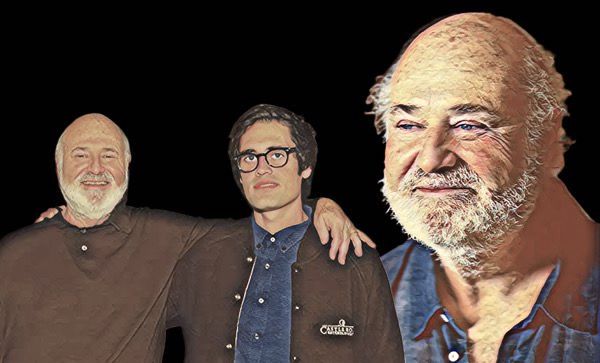
The truth is that, from a technical standpoint, what is known remains insufficient for any definitive conclusion. Prosecutors have not indicated whether they will seek the death penalty. Reiner remains in custody without bail and could face life in prison without the possibility of parole.
For now, the case is defined less by what has been established than by what remains suspended.
The preliminary hearing scheduled for September is expected to be the first real turning point. Witnesses who attended a Christmas party at Conan O’Brien’s home, just hours before the killings, may be called. The possibility of public figures appearing in court adds another layer to a case already unfolding under constant scrutiny.
It is still unclear whether the trial will be televised. But even without cameras, it is already operating within a logic that extends far beyond the courtroom.
Because the Reiner case is not only about a crime.
It is also about how certain stories are constructed before they are fully understood.
Descubra mais sobre
Assine para receber nossas notícias mais recentes por e-mail.

