
The arrival of a star and the beginning of a project
Natalia Osipova’s passage was as intense and fleeting as the solos that captivate audiences around the world. One of the greatest ballerinas of today, she came to Rio de Janeiro to oversee the Latin American qualifying stage of the prize that bears her name, whose grand final will take place in London later in 2026.
The Prix Osipova drew applications not only from Brazil, but also from dancers and aspiring artists across neighboring countries. Natalia, who joined Julio Bocca and Cecília Kerche on the jury panel, arrived straight into classes and rehearsals, and still made time to take the stage, performing the second act of Giselle in a highly anticipated gala night at the Theatro Municipal. But the focus always remained on emerging talent.
“I strongly believe in the importance of supporting and inspiring the next generation of dancers. This project was not just an invitation; it was something I carefully conceived myself, precisely to create a real opportunity for young talents. Making registration free for all applicants was essential to me because I believe access should be as broad and democratic as possible,” she said.
What the Prix Osipova is and how it works
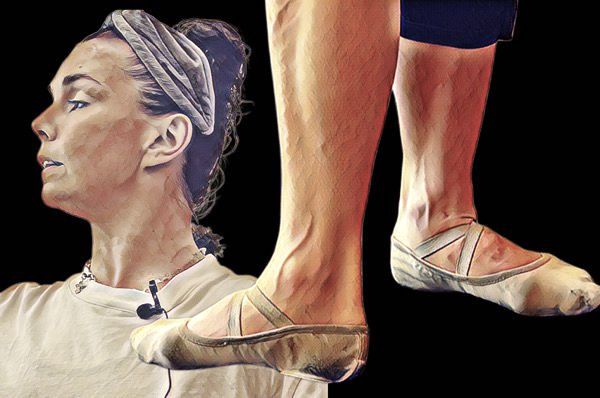
The Prix Osipova is built on this very idea of access combined with rigor. Inspired by major international competitions such as the Prix de Lausanne, it was designed not merely as a stage competition, but as a full evaluation process. Even before the final performances, candidates go through classes, rehearsals, and technical sessions closely observed by the jury, in a format that values not only the result, but the path leading to it.
This approach shifts the traditional dynamics of competition. What is at stake is not only the execution of a well-known variation but also the ability to absorb corrections, adapt the body, and respond quickly to guidance. In other words, what is being observed is the dancer in formation, not just the finished performer.
The Latin American stage brought together hundreds of applicants and selected just over fifty participants, who arrived in Rio for intense days of work. Throughout this process, Osipova’s presence functioned less as a symbol and more as a direct intervention. Each adjustment, each remark carried not only a technical correction, but a transmission of repertoire, of school, of history.
In the end, beyond placements and prizes, what is established is a concrete bridge. Some participants move on to the final in London, at the Royal Opera House, while others receive scholarships, invitations, and opportunities that previously seemed distant.
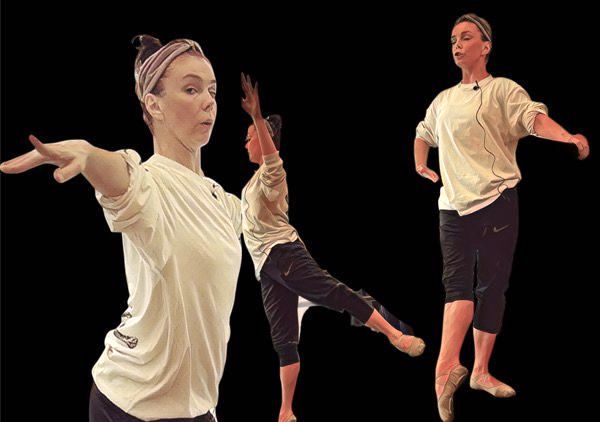
Yet perhaps the most revealing aspect of the Prix Osipova is not in the results. It lies in what cannot be easily measured. In the experience of being in a room with an artist of this stature, in the perception that ballet is still built within the intimate space of class and rehearsal, and in the sense that, for a few days, the axis of this tradition shifted — and passed, with rare intensity, through Rio de Janeiro.
The night of Giselle and the weight of a return
If during the day the focus was on young dancers, at night there was a brief shift in that axis. The gala at the Theatro Municipal placed Natalia Osipova back at the center of the stage, in a moment that carried a quiet weight. After a 2025 marked by absence due to injury, her return to the stage had only happened a few months earlier, still surrounded by expectation. That return took place in March, in London, with Giselle, a role that runs through her career and to which she returns as one would to familiar territory. It was precisely this role she chose for her appearance in Rio.
“Giselle is one of the most significant roles of my career. It is a role that evolves with me throughout life; it is never fixed. Each performance brings new nuances and emotions, guided by the moment, by my own artistic maturity, and by the exchange with fellow dancers and the audience present,” she said.
The decision to present only the second act at the Theatro Municipal, with a corps de ballet formed by dancers from Companhia Jovem CDA Para Todos, a social project of the Conservatório Dança e Arte in Ipanema, reinforces this dimension. It is here that the character ceases to exist on a human level and begins to operate in another logic, more abstract, more technical, but also more exposed.
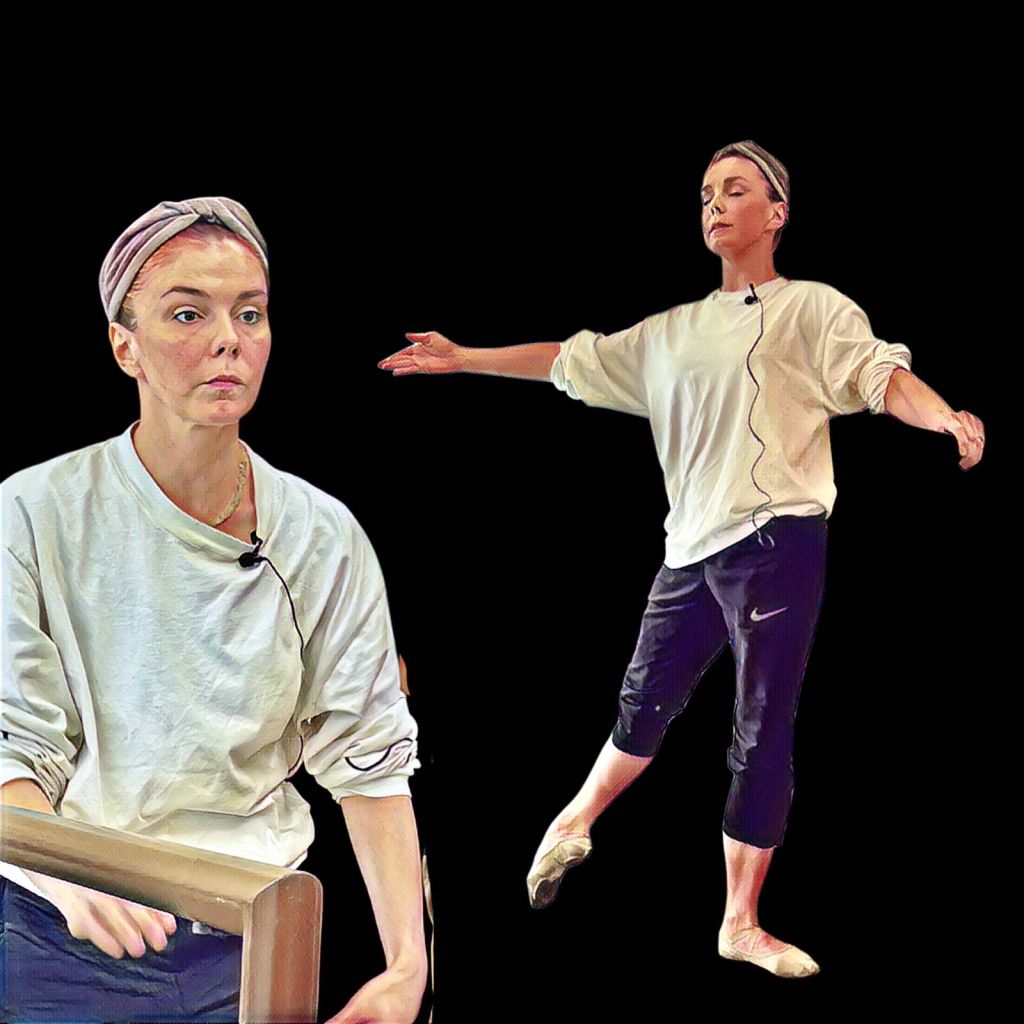
“The second act of Giselle represents, for me, the deepest essence of classical ballet and demands great control and elevation, qualities that have always been part of my identity as a ballerina, especially in my work with jumps, and which, combined with artistic commitment, find in this moment of the ballet a very particular form of expression,” she added.
For those who follow her career, there is nothing new in the association between Osipova and Giselle. It is, in a way, a defining role. But that does not make it comfortable. On the contrary, it is precisely through repetition that the challenge intensifies. Each return requires a new balance between technique and interpretation, between muscle memory and reinvention.
And perhaps that is what permeated the performance at the Municipal. Not the idea of a triumphant return, but something more delicate. The perception of a body reclaiming its power while negotiating its own limits. The audience, of course, responded enthusiastically, interrupting scenes with applause and bravos.
The journey, the prize, and what remains
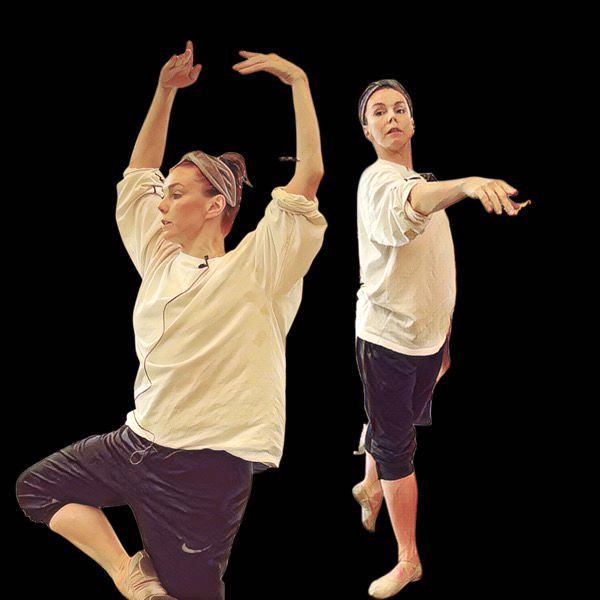
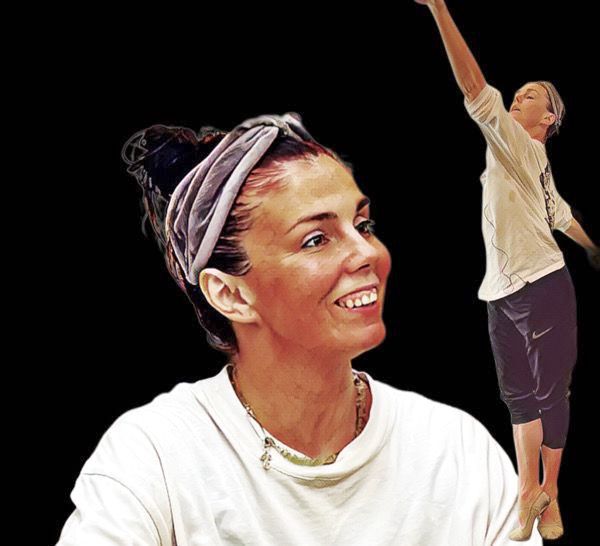
Within the context of the Prix, Osipova’s performance takes on another meaning. It was not merely a guest star appearance, but a live demonstration of what is being taught there. The class, the rehearsal, the patient construction of a gesture — all of it reappeared, condensed on stage.
There were two days of competition, and four Brazilian dancers were selected for the final in London: Keirison Lima, Maria Laura Possato, Pietra Sanches, and Enzo Santos, the four winners who secured their place in the final stage of the Prix Osipova at the Royal Opera House.
And for those young dancers who had spent the day being observed by her, the scene completes itself. Not only hearing corrections, but seeing, in a matter of minutes, what they mean when they pass through a body that has already traveled that entire path.
“The great difference in the idea of the Prix Osipova was not only having her conceptualize everything, lending her name and being present in its realization. She was also a juror, and that is a major distinction that no other competition had,” said Nicole Abramoff, co-founder of the Conservatório Dança e Arte, organizer of the competition alongside the Russian ballerina.
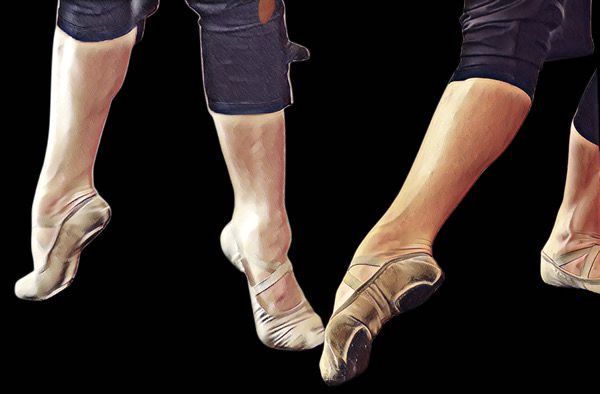
“This is the first edition of the Prix, but it is a meaningful one for many of us in Brazil and across Latin America, because it allows dancers to truly pursue their dreams,” said Enzo Santos, one of the finalists selected for London and a participant in the masterclass. He, who once dreamed of dancing at the Bolshoi, is now taking his first steps toward a professional career in ballet. “It is a beautiful project that I believe is only the beginning of everything, and that will make many dreams come true.”
The Prix Osipova ends with prizes, placements, and promises. But what remains is not exactly that. It is the sense that, for a few days, ballet returned to its most essential point. Not the finished performance, but the process. Not the applause, but the silent construction that precedes it. And at the center of it all, an artist who, even while returning from a forced pause, chooses to be there not only to be seen, but to teach others how to see.
Descubra mais sobre
Assine para receber nossas notícias mais recentes por e-mail.

