
The first week of May did not bring a major new phenomenon capable of completely reorganizing streaming. And perhaps that is precisely the most interesting development right now. Instead of a single series dominating the conversation or one film cutting across every platform at once, what emerges from the rankings is a far more fragmented landscape, where each service is increasingly revealing not only what it offers, but the kind of viewer it is trying to retain.
While Netflix continues to rely on fast consumption and constant turnover, HBO Max transforms its catalog into an active cultural repertoire. Disney+ remains powered by franchises and nostalgia repackaged as event viewing. Prime Video invests in immediate impact and established fandoms. Paramount+ continues operating almost as an extension of traditional television. And Apple TV+ reinforces its position as the most visually and editorially cohesive platform in streaming.
The result is a Top 10 defined less by a single dominant title and more by the increasingly clear identity of each service. Streaming enters May quietly, reshaping what audiences choose to watch.

Netflix: nostalgia, melodrama, and the algorithm of familiarity
Netflix enters this week with a curious shift: for the first time in a while, the top of the rankings feels driven less by urgency and more by familiarity. The leadership of Man on Fire among series and Swapped among films suggests a platform relying less on “event viewing” and more on immediate recognition.
The series ranking is particularly revealing. Worst Ex Ever, My Royal Nemesis, Should I Marry a…, Sold Out on You, The Chestnut Man, and Thank You, Next show a Netflix almost entirely supported by fast-consumption genres: true crime, romance, light thrillers, melodrama, and shows designed for compulsive viewing. There is no single title reorganizing the cultural conversation. Multiple titles are sustaining continuous hours of engagement.
The film ranking works similarly. Swapped takes the top spot while Apex loses centrality without disappearing entirely, which may be the clearest portrait of Netflix today: its hits rarely vanish immediately, but they also rarely remain the absolute center for long. The catalog moves too quickly for that. The presence of Jennifer’s Body, Trap, Migration, Gladiator II, and smaller productions reinforces a strategy driven less by curation and more by algorithmic retention. Netflix is not trying to define taste. It is trying to prevent users from leaving the platform.

HBO Max: streaming as cultural repertoire
HBO Max remains the most “cinephile” platform and the one most connected to the idea of cultural repertoire. The series ranking keeps Euphoria at the top, but the most important detail may be the coexistence of radically different titles within the same environment. Hacks, The Pitt, From, La Promesa, Wild Heart, and even Doc create an ecosystem where prestige drama, soap opera, thriller, and catalog coexist naturally.
There is a sense of identity that other platforms often struggle to sustain. HBO Max still gives the impression that watching something there means entering a specific editorial universe.
That becomes even clearer in films. Wuthering Heights continues leading the ranking, which says a great deal about the platform’s current positioning. Instead of depending exclusively on franchises or disposable action content, the service manages to turn a literary classic into a contemporary streaming interest. Around it are titles like Mortal Kombat, The Emoji Movie, Den of Thieves 2, Michael Jackson: Moonwalker, and Anaconda. The ranking may appear chaotic at first glance, but it reveals something important: HBO Max understands that its catalog also creates emotional experience. Audiences are not logging in only for new releases. They are returning to revisit cultural memory.

Disney+: franchises dominate everything around them
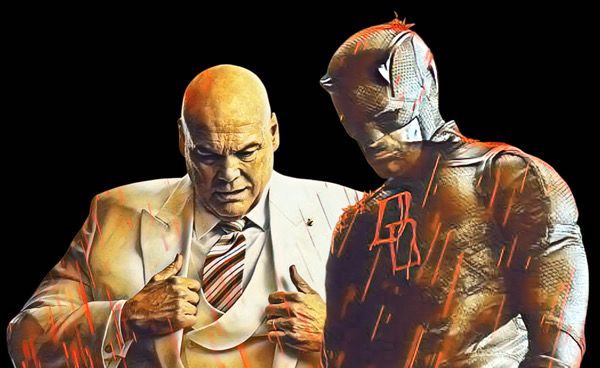
Disney+ continues to be the platform most dependent on — and most efficient at exploiting — intellectual property. The top of the series ranking makes that explicit: The Testaments, Star Wars: Maul, Daredevil: Born Again, and even the revival of Malcolm in the Middle all rely heavily on prior recognition.
The platform operates as a closed system of narrative universes. Viewers rarely “discover” something on Disney+. They return to something they already know.
That becomes even more evident in films. The dominance of Send Help and the ecosystem built around The Devil Wears Prada 2 demonstrates how Disney+ treats releases as expanded events. It is not enough to launch a new film. The platform reorganizes the surrounding catalog around it. The original rises again, adjacent content resurfaces, similar titles gain visibility, and nostalgia becomes a mechanism for retention.
Marvel, Star Wars, animation, revivals, and legacy properties continue to structure nearly the entire identity of the service. It works commercially, but it also reveals a platform increasingly less interested in surprise and increasingly focused on emotional familiarity.
Prime Video: the platform closest to the traditional blockbuster
Prime Video may currently be the streaming service most aligned with the logic of mainstream commercial cinema. The series ranking continues to be led by The Boys, followed by Citadel, INVINCIBLE, The House of the Spirits, Young Sherlock, and Scarpetta. There is a very specific energy here: thrillers, adaptations, action, fantasy, and series designed to generate immediate fandom.
Unlike Netflix, which operates through abundance, Prime Video appears to rely on very clear poles of attention. When a series works, it dominates the platform’s environment.
That becomes crystal clear in films. Crime 101, Balls Up, Vengeance, Return to Silent Hill, Tin Soldier, Marty Supreme, Ballerina, and Venom: The Last Dance together form a portrait of the modern blockbuster: action, stylized violence, recognizable brands, and accelerated pacing. Prime Video seems less interested in prestige and more interested in direct impact.
It is a streaming service built around immediate-event energy.

Paramount+: comforting television in the streaming era
Paramount+ continues operating almost as a resistance to the hyperactive logic of contemporary streaming. The top of the series ranking is dominated by South Park, Y: Marshals, M.I.A., Yellowstone, Tulsa King, NCIS, SpongeBob SquarePants, and Landman. This feels less like a streaming catalog and more like an evolved version of cable television.
And perhaps that is precisely the strategy.
Paramount+ is not constantly trying to appear youthful or disruptive. It is not trying to manufacture weekly cultural phenomena. It operates through familiarity, comfort, and continuity. Audiences enter already knowing the type of experience they will find.
The film ranking follows the same logic. The Running Man, Regretting You, World War Z, The Lost City, Top Gun: Maverick, and Night Hunter reveal a platform deeply dependent on immediate recognition. There are action, recognizable thrillers, and titles carrying recent cultural memory.
It is less about discovery and more about permanence.

Apple TV: the most cohesive platform right now
Apple TV+ continues to be the most consistently defined platform among its major competitors. The series ranking almost functions as an editorial manifesto: Your Friends & Neighbors, Margo’s Got Money Troubles, Monarch: Legacy of Monsters, For All Mankind, Widow’s Bay, Ted Lasso, Imperfect Women, Criminal Record, and Shrinking all share a very specific sense of polish.
Even when genres shift, Apple maintains the same tone: elegant productions, recognizable stars, careful direction, and a constant attempt to communicate premium quality.
The same remains true in films. Outcome, F1, The Gorge, Greyhound, The Family Plan 2, Highest 2 Lowest, and Argylle reinforce a catalog focused on star-driven cinema and large-scale visual production. Unlike Netflix, which often transforms films into disposable content, Apple seems determined to make every release feel important.
The result is a less crowded but far more coherent streaming platform, both visually and editorially.


What this week reveals about streaming
The most revealing aspect of this week may be precisely the absence of a dominant center. No platform appears to fully control the cultural conversation. Instead, each one increasingly operates as its own emotional ecosystem.
Netflix sells continuous flow and habit. HBO Max sells repertoire. Disney+ sells franchise belonging. Prime Video sells adrenaline and fandom. Paramount+ sells televisual comfort. Apple TV+ sells curation and polish.
Streaming enters May quietly, reshaping what audiences choose to watch, but perhaps the most important shift is something else entirely: platforms are becoming increasingly explicit not only about what they offer, but about the kind of viewer they believe they are building.
Descubra mais sobre
Assine para receber nossas notícias mais recentes por e-mail.

