
Few recent films have provoked such an emotional reaction in Spanish cinema as Deaf. Winner of three Goya Awards, including Best New Actress for Miriam Garlo, the film directed by Eva Libertad became one of the year’s most talked-about titles precisely because it approaches motherhood, guilt, isolation, and communication in a way rarely seen on screen.
The story follows Angela, a deaf woman who lives with Héctor, her hearing partner. When she becomes pregnant with the couple’s first child, the fear of not being able to form a bond with the baby slowly begins to grow. Her insecurity intensifies, especially around the possibility that the child may be hearing and therefore inhabit a world of communication that Angela cannot always access in the same way.
But Deaf’s greatest strength is that the film never turns its protagonist into an idealized or inspirational figure. Angela makes mistakes, becomes frustrated, breaks down emotionally, withdraws, and experiences severe postpartum depression.
“We wanted to portray an authentic, real deaf woman who did not have to be perfect,” Miriam Garlo explained during our conversation for Blog do Amaury Jr. via Miscelana.
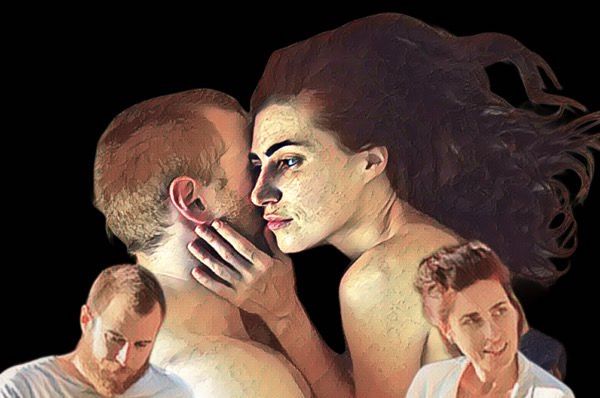
The project emerged from an intimate experience shared by the two sisters. Before the feature film, Eva Libertad and Miriam had made a short film exploring the same subject. At the time, Miriam was reflecting on the possibility of becoming a mother and shared insecurities that eventually inspired the story.
“She shared with me the doubts and insecurities she felt when imagining herself as a deaf woman in a hearing world,” Eva recalled.
The success of the short film made both sisters realize there was something even deeper to explore.
“I wanted to know what would happen if she became pregnant, if the child were hearing or deaf, and what her relationship with the child would look like,” the director said.
The result is a film that goes far beyond a discussion about disability. Deaf speaks about something universal: the fear of not feeling understood within our most intimate relationships.
Eva Libertad said she was surprised by the reaction from many hearing women after screenings.
“Many mothers wrote to me saying: I’m not deaf, but I am Angela.”
Part of the film’s power also lies in the way it uses sound. In several moments, the audience begins to experience the environment the way Angela perceives it, through abrupt audio changes, sudden silence, and muffled sound fragments.
“I needed to place hearing audiences inside Angela’s skin,” Eva explained.
The birth sequence became one of the film’s most talked-about scenes. According to the director, it was constructed from real testimonies shared by deaf women.
“It was very important to convey that isolation, that lack of communication, and that fear, where she is alone, unable to understand what is happening, becoming extremely vulnerable,” she said.
Eva also revealed that the medical professionals seen in the scene were not actors, but real doctors.
Another important aspect of the film is its discussion of representation in cinema. Miriam Garlo emphasized that deaf people still face resistance when it comes to being seen as actors capable of portraying complex fictional characters.
“There’s still a stigma that if you are deaf, audiences assume you’re simply being yourself in front of the camera,” the actress said.
She also stressed that Angela is not autobiographical.
“Everything that happens in the film is fiction.”
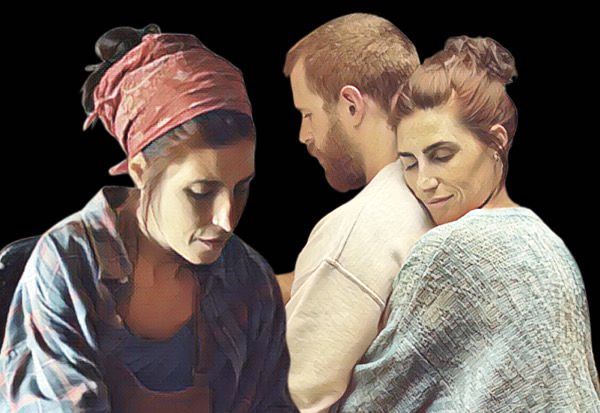
When Miriam won the Goya Award for Best New Actress, becoming the first deaf actress ever to receive the prize, the moment carried enormous significance for Spain’s deaf community.
“It was symbolic and deeply important,” Eva said.
For Miriam, however, the award represents only a beginning.
“There are many other deaf actresses, actors, screenwriters, and technical crews who also deserve space.”
Perhaps Deaf’s greatest achievement is precisely this: showing that stories about disability do not need to exist solely as lessons in resilience or overcoming adversity. They can also be complex, contradictory, intimate, and profoundly human.
Descubra mais sobre
Assine para receber nossas notícias mais recentes por e-mail.

