
Few modern series have lived in such constant tension with their own audience as Outlander. From the very beginning, the adaptation of Diana Gabaldon’s novels was marketed as a mix of historical romance, fantasy, and epic drama, but it quickly became clear that the show wanted to occupy a far more uncomfortable space. Over nearly a decade, the series alternated moments of enormous emotional beauty with narrative decisions that sparked immediate backlash, especially because of its recurring relationship with sexual violence, trauma, and psychological suffering.
Part of Outlander’s power has always come from its willingness to cross boundaries that other productions avoided. At the same time, however, that insistence on turning pain into dramatic fuel eventually created a complicated relationship with viewers. The series never became a consensus favorite. And perhaps that is exactly why it remained so culturally alive for so many years.
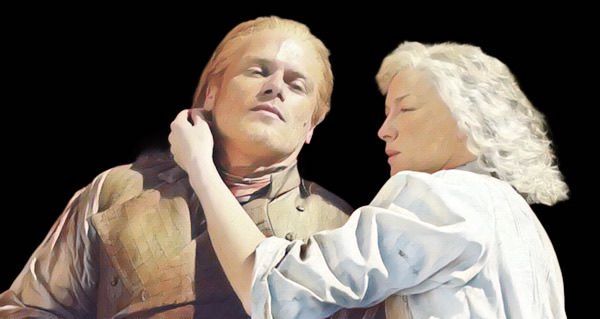
Jamie Fraser’s assault by Black Jack Randall
The end of the first season remains, for many fans, the hardest episode to watch in the entire series. Jamie Fraser’s physical and psychological torture at the hands of Black Jack Randall was presented in an extremely explicit, prolonged, and emotionally devastating way.
At the time, there was significant praise for the fact that the show inverted a very common television dynamic by placing a male protagonist as the victim of sexual violence and seriously exploring its emotional consequences. Sam Heughan received some of the strongest reviews of his career because of those scenes.
But this was also the moment when a criticism that would follow Outlander for years truly began: the feeling that the series used sexual assault as a recurring mechanism for dramatic impact.
The overwhelming amount of sexual violence throughout the series
After Jamie, other characters also endured similar experiences. Claire, Brianna, Fergus, and Mary Hawkins are just a few examples of characters marked by sexual violence within the narrative.
Over time, even some of the show’s most loyal fans began questioning whether the repetition had become excessive. The debate stopped being only about historical realism and started involving the series’s own narrative responsibility.
Diana Gabaldon consistently argued that violence was part of the historical period being portrayed, but many viewers began to feel that Outlander often confused emotional depth with constant suffering.
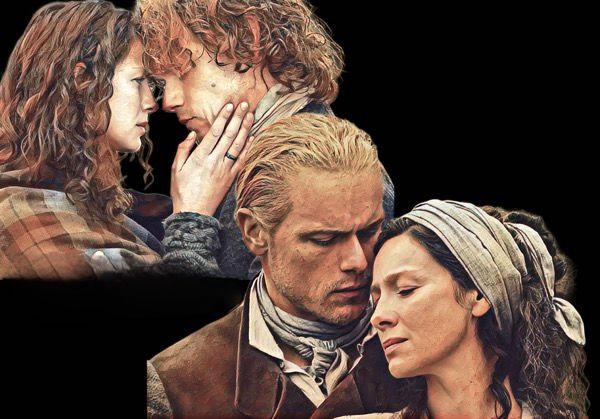
Claire and Jamie’s relationship looks different today
A large part of the audience still considers Claire and Jamie one of the most iconic couples in contemporary television. Even so, some scenes from the early seasons have become increasingly uncomfortable as cultural conversations about abusive relationships have evolved over the years.
Especially the sequence in which Jamie physically punishes Claire after she puts the group at risk. Even when contextualized within eighteenth-century customs, many viewers later revisited the scene as one the narrative treated far too romantically.
Perhaps the issue lies precisely in the fact that Jamie is presented as the ultimate romantic ideal. When that character crosses certain lines, the impact becomes much stronger.
Frank Randall eventually became the tragic figure of the story
For many years, Frank was viewed simply as an obstacle to the show’s central romance. But audience perception of the character changed considerably over time.
Part of the fandom began to see him as a man emotionally doomed from the very beginning, trapped in a situation he could never truly compete against. His death was ultimately seen by many viewers as cold and overly functional, almost as a way to permanently free Claire for her “true” love story.
Today, there is a far more melancholic reading of Frank than there was during the earlier seasons.
The romanticization of Jacobite Scotland and the Battle of Culloden
Outlander played a major role in popularizing Highland culture and Scottish history internationally, especially among tourists and new readers. But the series also received criticism for turning the tragedy of Culloden into something excessively romanticized.
Some historians argued that the show simplified much more complex political and social conflicts to reinforce the emotional dimension of the narrative.
Still, it was precisely that sentimental approach that introduced millions of viewers to that historical period.
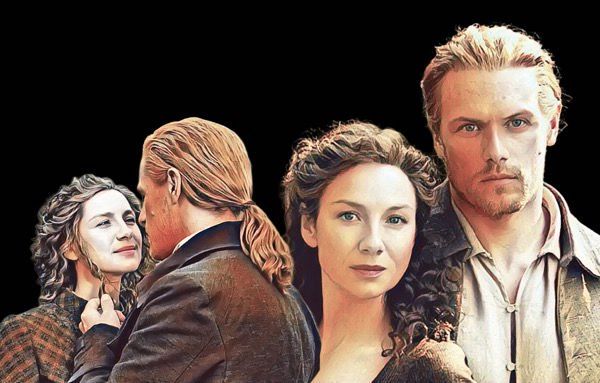
Roger MacKenzie became one of the series’ most disliked characters
Few characters generated as much irritation among viewers as Roger. From the beginning of his relationship with Brianna, many people saw him as controlling, moralistic, and outdated, even within the show’s own logic.
The adaptation tried to soften some aspects of the books, but it still could not prevent the enormous online backlash against the character. For years, Roger became a constant target of criticism within the fandom, especially when compared to Jamie Fraser.
Claire’s assault in season six exhausted even longtime fans
When Claire endured a brutal gang assault in season six, a significant portion of the audience felt that Outlander had finally crossed a line of emotional repetition.
Even viewers already accustomed to the show’s harsh tone began questioning whether that kind of violence was still contributing narratively or simply repeating an already exhausted formula.
The production attempted to differentiate the sequence by using visual elements tied to Claire’s psychological dissociation, but the controversy remained enormous. For many fans, that was the definitive breaking point with the series.
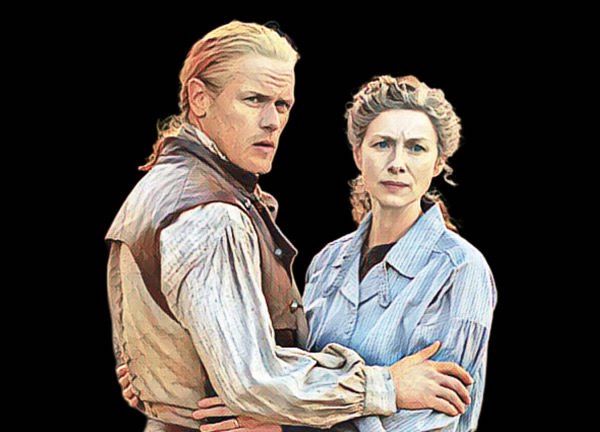
The move from Scotland to America completely split the fandom
There is almost a consensus among part of the audience that Outlander never fully recovered the atmosphere of its early seasons after leaving Scotland and diving into the American Revolution.
The series became more political, more expansive, and less intimate. For some viewers, that broadened the narrative universe. For others, it destroyed exactly what had made the show unique in the first place.
To this day, many fans divide Outlander into two completely different eras: the Scotland series and the America series.
In the end, perhaps Outlander’s greatest controversy is precisely its inability to remain within a single genre or emotional tone. The show always tried to be romance, war, fantasy, erotica, trauma, and historical saga all at once. At times, that created extraordinary television. At others, it became emotionally exhausting even for the people who loved those characters most.
Descubra mais sobre
Assine para receber nossas notícias mais recentes por e-mail.

