
Something is fascinating about weekly streaming rankings. At first glance, they appear to be little more than snapshots of what audiences happen to be watching at a given moment. Look closer, however, and they become something far more revealing. They offer a glimpse into the current state of television itself, showing which platforms understand their own identity, which are still searching for one, and which stories continue to dominate popular culture years—even decades—after they first appeared.
This week’s rankings paint a particularly revealing portrait of television in 2026. Across nearly every platform, the highest positions are occupied by familiar brands, established universes, or beloved characters that audiences already know. At the same time, a handful of original productions have managed to break through that wall, proving that there is still room for new ideas when they offer something viewers cannot find anywhere else.

HBO Max: Prestige, Characters, and the Power of Word-of-Mouth
If there is one platform whose rankings still feel driven by editorial vision rather than pure franchise power, it remains HBO Max.
It is hardly surprising to see Euphoria at the top. After years of delays, production challenges, scheduling conflicts, and endless speculation about its future, the third season has become one of the most anticipated television events of the decade. The series has long transcended its origins as a teen drama and evolved into a cultural phenomenon capable of generating excitement even during extended absences.
More intriguing, however, is the presence of Half Man near the top of the chart. At a time when television is increasingly driven by recognizable intellectual property and algorithm-friendly concepts, Richard Gadd’s latest project succeeds because of its willingness to confront difficult subjects. It is an uncomfortable, emotionally demanding work that examines masculinity, trauma, sexuality, shame, and violence without offering easy answers. Its success suggests that audiences still have an appetite for challenging dramas when they are executed with intelligence and authenticity.
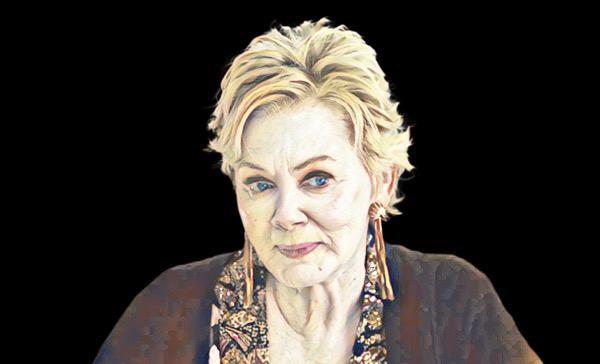
The continued popularity of Hacks reinforces another HBO strength: its ability to turn characters into cultural institutions. Deborah Vance is no longer simply the protagonist of a successful comedy. She has become one of television’s defining figures, carrying storylines about ambition, aging, friendship, success, and reinvention with remarkable consistency.
Taken together, HBO’s rankings suggest a platform that continues to prioritize writers, creators, and character-driven storytelling over brand recognition alone.
Apple TV: The Platform That Knows Exactly What It Wants to Be
No ranking feels more cohesive than Apple TV.
Looking at Your Friends & Neighbors, Widow’s Bay, For All Mankind, and Star City, one immediately notices a shared philosophy. These are sophisticated productions aimed at adult audiences, projects that value atmosphere, strong writing, and long-form storytelling over instant gratification.
The success of Your Friends & Neighbors is easy to understand. Jon Hamm remains one of television’s most magnetic stars, and the show combines several themes that have resonated strongly with audiences in recent years: wealth, privilege, moral decay, and the secrets hidden beneath seemingly perfect lives.
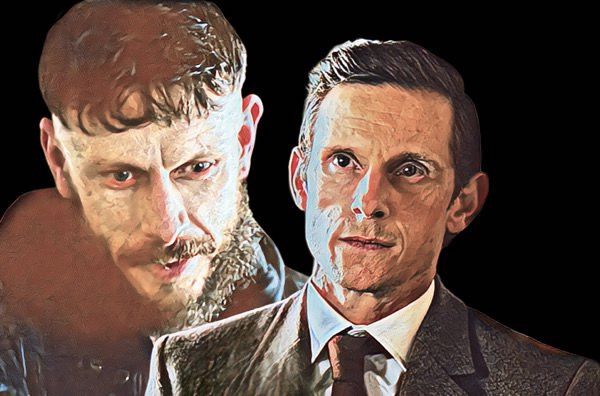
The more interesting story is Widow’s Bay. Unlike many of its competitors, the series did not arrive with the support of a massive franchise or a globally recognized brand. Instead, it grew steadily through word-of-mouth, winning viewers over with its unusual blend of supernatural horror, absurd comedy, and emotional drama. In an era obsessed with explosive premieres and immediate success, Widow’s Bay feels almost old-fashioned in the best possible way.
The simultaneous presence of For All Mankind and Star City reveals something even more valuable: trust in creators. Audiences are no longer watching these shows simply because of their premises. They are following the creative teams behind them. Few platforms have managed to cultivate that level of confidence.
If identity matters, Apple currently possesses the clearest one in the streaming landscape.
Prime Video: The Franchise Machine
Amazon’s rankings tell a very different story.
Here, intellectual property remains king.
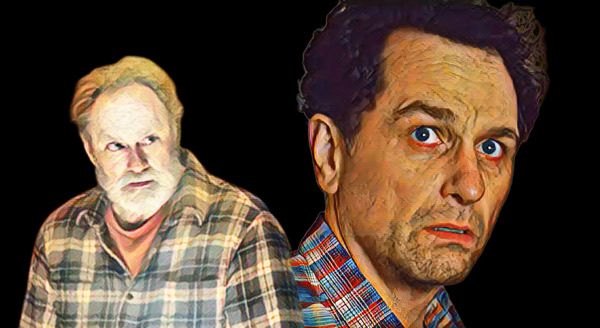
The dominance of Spider-Noir is hardly surprising. The project combines several irresistible elements: a beloved comic-book character, Nicolas Cage, a distinctive visual style, and the broader appeal of the Spider-Man universe. Long before viewers see a single episode, curiosity is already guaranteed.
The continued success of The Boys and Invincible reinforces Amazon’s greatest achievement of the past decade. The platform has become a destination for mature, subversive comic-book adaptations. Both series have built fiercely loyal fan communities and remain culturally relevant between seasons in a way that many competitors struggle to achieve.
Even Citadel, despite never becoming the phenomenon Amazon originally envisioned, remains an important part of the company’s strategy. Its persistent visibility suggests that Amazon still sees value in building international franchises capable of expanding across multiple markets.
Prime Video’s message is straightforward: franchises remain its most valuable currency.

Disney+: The Enduring Power of Global Brands
Disney’s rankings may be the most predictable—and perhaps the most powerful.
The most interesting entry is undoubtedly The Testaments. For years there were questions about whether The Handmaid’s Tale could survive beyond its initial cultural moment. The success of its sequel suggests that audiences remain deeply invested in its world, particularly as questions surrounding democracy, rights, and authoritarianism continue to dominate public discourse.
At the same time, the list demonstrates the remarkable resilience of Star Wars. The Mandalorian remains one of the franchise’s most important pillars, while the upcoming Darth Maul series has already generated enormous curiosity. Few intellectual properties can dominate audience attention so consistently across multiple projects.
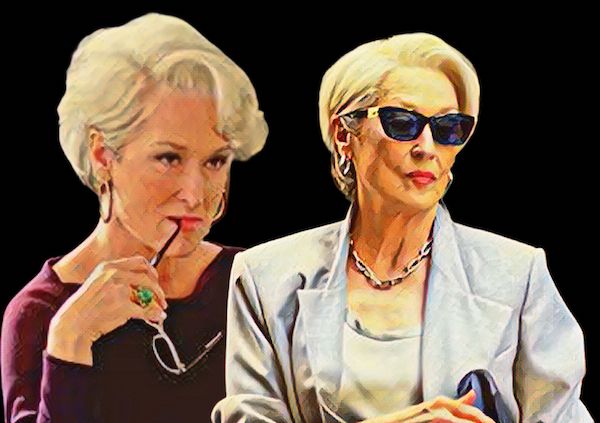
The presence of The Devil Wears Prada is equally revealing. Nearly twenty years after the original film’s release, viewers remain eager to revisit that universe. Nostalgia has become one of the entertainment industry’s most valuable assets, and this sequel arrives at a moment when the worlds of fashion, publishing, celebrity, and social media have changed dramatically.
Disney’s strength does not lie in cultivating a singular creative identity. It lies in owning some of the most recognizable brands on Earth.
Netflix: Still Searching for Its Next Defining Phenomenon
Netflix remains the most difficult platform to analyze.
Its rankings shift rapidly, its strategy changes constantly, and its successes often burn brightly before disappearing just as quickly.
The strong debut of The Boroughs suggests an effort to build the next major science-fiction or mystery franchise capable of filling the void left by shows like Stranger Things and Dark. It is exactly the kind of ambitious project Netflix needs if it hopes to define its next era.
Yet the ranking also highlights one of Netflix’s recurring challenges. Unlike HBO, Apple, or Paramount, whose signature series often remain culturally relevant for years, Netflix operates in a perpetual cycle of replacement. New hits arrive every month, but few become lasting institutions.
The strategy continues to generate enormous viewership, but it also makes it harder for the platform to establish the kind of enduring cultural identity enjoyed by its competitors.

Paramount+: The Yellowstone Empire
Perhaps no platform has benefited more from a single creator than Paramount+.
The success of Dutton Ranch, combined with the continued popularity of Yellowstone and Tulsa King, demonstrates the extraordinary influence of Taylor Sheridan. What began as one series has evolved into a sprawling television universe capable of sustaining multiple interconnected productions simultaneously.
Very few creators working today have managed to build something comparable. Audiences are no longer following individual characters. They are investing in the entire world.
The continued presence of From also deserves attention. The series has quietly grown into one of television’s most compelling horror mysteries, relying largely on strong word-of-mouth rather than massive marketing campaigns.
Paramount’s rankings reveal a platform that has successfully transformed loyalty into a business model.

What These Rankings Really Tell Us
The most significant takeaway is not which title occupies the number-one position on any given service. It is the overwhelming dominance of familiar intellectual property. Across virtually every platform, franchises, sequels, adaptations, and established universes continue to drive attention.
Yet important exceptions remain.
Half Man, Widow’s Bay, The Boroughs, and From demonstrate that audiences are still willing to embrace original ideas when they feel genuinely fresh and distinctive.
Perhaps that is the central story of television in 2026. The industry increasingly relies on familiar brands to attract viewers, but it still desperately needs new stories capable of becoming the franchises of tomorrow. Between nostalgia, superheroes, dystopian futures, family empires, and prestige dramas, the competition remains exactly what it has always been: the search for the next series that makes audiences feel they are seeing something they have never seen before.
Descubra mais sobre
Assine para receber nossas notícias mais recentes por e-mail.

