
Fifteen years after the premiere of Game of Thrones, HBO finds itself facing a unique challenge. The series remains one of the most significant television phenomena in history, yet it also carries the burden of an ending that remains controversial for a substantial portion of its audience. Few productions have ever achieved a similar cultural impact. Even fewer have ended amid such an intense debate over their legacy.
That is why it is difficult not to pay attention to the timing of a series of nostalgic interviews featuring some of the franchise’s most recognizable faces. First came Emilia Clarke. Then Kit Harington and Peter Dinklage. Rather than focusing on their latest projects, these conversations repeatedly return to their years in Westeros, the phenomenon they experienced together, and the impact the series had on their lives. The articles do not ignore the controversy surrounding the ending, but neither do they place it at the center of the story. Instead, the focus is on the experience, the legacy, and the historical significance of Game of Thrones.
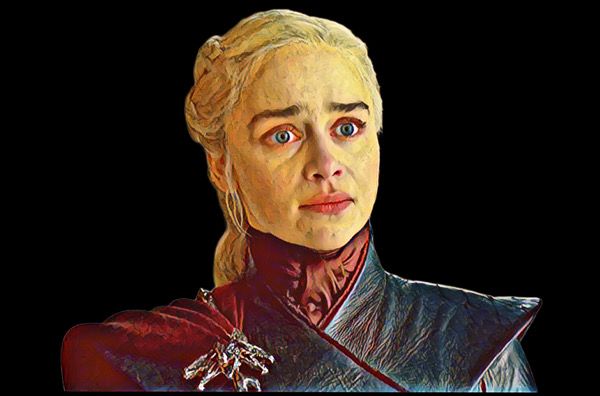
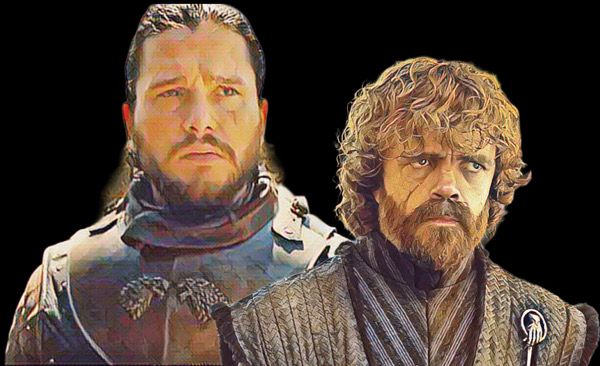
What makes all of this particularly interesting is the context. These interviews are not being published during a quiet period for the franchise. They are arriving precisely as HBO begins the promotional campaign for the third season of House of the Dragon. While Emma D’Arcy, Olivia Cooke, Matt Smith, and the rest of the cast are promoting the upcoming episodes, the public conversation is also being filled with Jon Snow, Daenerys Targaryen, and Tyrion Lannister.
Perhaps that is a coincidence; then again, perhaps it is not. The impression is that HBO is running two campaigns at once. One is selling the future of Westeros. The other is selling its memory, and there is an understandable reason for that.
Over the past several years, House of the Dragon has proven itself to be a success. Its ratings are strong. Its cultural relevance remains significant. The series has earned acclaim, awards, attention, and a place among television’s biggest productions. Yet it has never quite achieved what many expected when it was first announced.
It never became the new Game of Thrones. That is not a failure. It simply suggests that the original phenomenon was probably impossible to replicate.
No character from House of the Dragon has crossed into popular culture in the way Tyrion, Daenerys, Arya, or Jon Snow did. No member of its cast has become synonymous with the franchise on the global level achieved by Emilia Clarke, Kit Harington, or Peter Dinklage. The series has earned respect, but it has never entirely escaped the shadow of its predecessor.
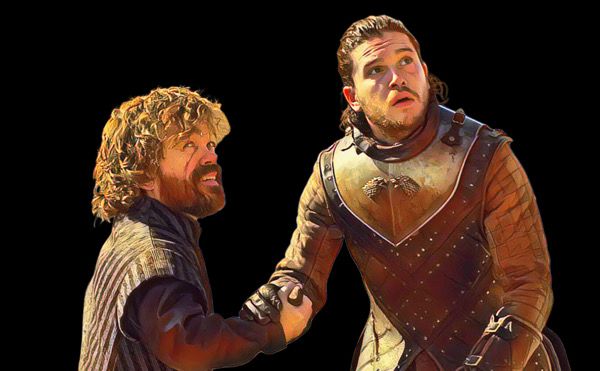

Perhaps that is why it is so revealing to watch the way HBO seems to be reframing the conversation around Westeros. For years, discussions about the franchise were dominated by Season 8. The question was always the same: how did one of television’s greatest achievements end in such a divisive way? Now, however, the focus appears to be shifting. Rather than endlessly revisiting the final episodes, the narrative is returning to what made Game of Thrones a generational landmark in the first place.
Emilia Clarke’s interview offers a perfect example. The actress openly acknowledges that she was furious about Daenerys’ fate and recalls the disappointment that surrounded the series finale. Yet the conversation ultimately arrives somewhere very different: gratitude, maturity, and a deeper understanding of what that experience meant in her life.
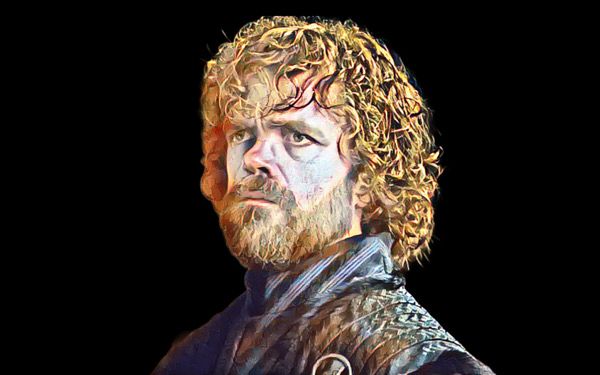
Meanwhile, Kit Harington and Peter Dinklage’s reunion transforms Game of Thrones into a shared memory. They speak about friendship, careers, sobriety, parenthood, aging, and how they grew up within that world. The series becomes more than a television show. It becomes a formative chapter in their lives.
Ryan Condal’s recent comments add another fascinating layer to the discussion. Speaking about the future, the showrunner confirmed that Season 4 will conclude House of the Dragon and suggested that his own creative journey in Westeros may also be nearing its end. His remark that he believes he has said everything he has to say about the world feels almost like the closing of a chapter.
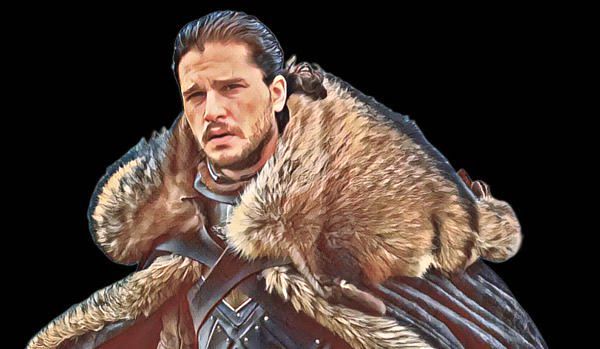
That stands out because Condal has spent years being viewed as the primary steward of Westeros on television. He was tasked with rebuilding trust in the franchise after the end of Game of Thrones. He carried the responsibility of proving that Westeros could still produce prestige television. Now, even as he promotes the final stretch of his series, he is already talking about the next phase of his career.
Taken together, these developments suggest something larger than a simple marketing campaign.
Perhaps HBO has realized that the future of the franchise does not depend on finding another Jon Snow or another Daenerys Targaryen. Perhaps it depends on something broader: turning Westeros itself into a brand capable of surviving any individual series.
From that perspective, the strategy makes sense. This is not a campaign designed to convince audiences that the ending of Game of Thrones was secretly brilliant. That battle is probably over. Nor does it appear to be an attempt to erase the backlash that defined 2019.
Instead, it feels like an effort to separate two conversations that have long been treated as one and the same.
One conversation concerns the quality of the final season. The other concerns the legacy of Game of Thrones. HBO may have realized that it does not need to win the first argument to win the second.
There is, however, an unavoidable irony in this approach. Every time the company places Emilia Clarke, Kit Harington, or Peter Dinklage back at the center of the conversation, it strengthens nostalgia for the franchise. At the same time, it reminds audiences of the enormous shadow that still hangs over House of the Dragon. The more HBO celebrates its most iconic characters, the more apparent it becomes that none of its successor series have generated the same level of emotional investment.
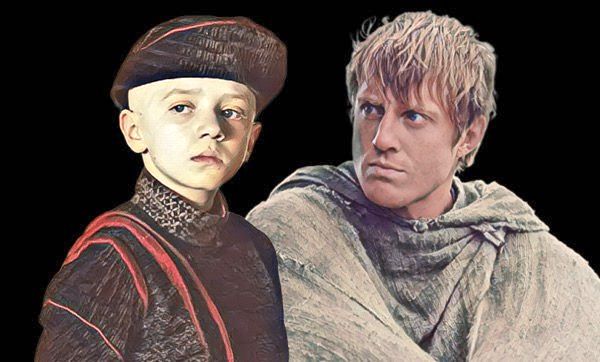
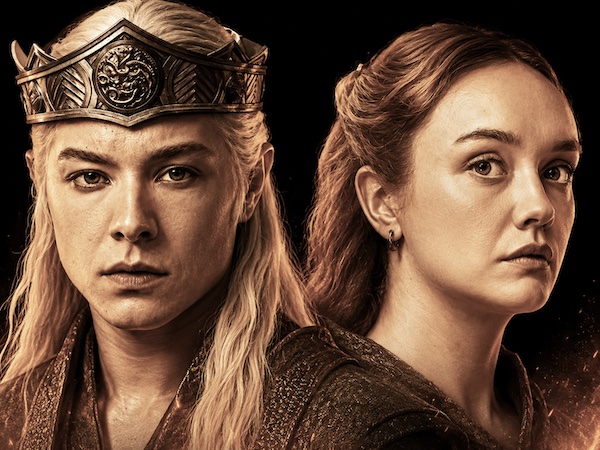
That may be precisely why A Knight of the Seven Kingdoms has generated such curiosity from the start. Unlike House of the Dragon, it does not appear interested in competing with Game of Thrones. Its ambitions are smaller, more intimate, and less dependent on constant comparison with the original phenomenon.
Ultimately, it feels as though HBO’s battle has changed. A few years ago, the goal seemed to be convincing audiences to forget the ending of Game of Thrones. Today, the goal appears far more ambitious: convincing audiences to remember everything that came before it.
And judging by the enduring power that Jon Snow, Daenerys Targaryen, and Tyrion Lannister still hold over the collective imagination fifteen years later, that may be a battle HBO has a much better chance of winning.
Descubra mais sobre
Assine para receber nossas notícias mais recentes por e-mail.


1 comentário Adicione o seu