
Over the past few months, while supporting a friend through a painful breakup, I found myself returning to an uncomfortable question. Not because her story was particularly extraordinary. Quite the opposite. Perhaps because it was so deeply human.
Somewhere in the many conversations that inevitably accompany the end of a relationship, a familiar thought emerged. When we learn about someone’s romantic history and recognize certain patterns, why do we insist on believing that things will be different with us?
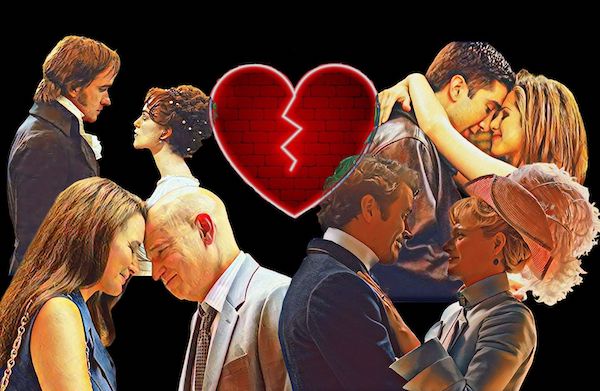
This is not a question of blame. People change. Relationships change. One mistake does not condemn anyone forever. Perhaps that is why I remembered a joke that once circulated on social media. We ask for references before hiring a babysitter or an employee, but we never ask for references from our partners’ exes. The writer behind the observation joked that she would be perfectly happy to speak with the future girlfriends of all her former partners.
The joke works precisely because it is impossible. No ex can predict the future. But perhaps it hides a more interesting question. Why, when we fall in love, do we tend to believe that we will be the exception?
The issue is not whether people can change. The question is why we are so convinced that our love will be the force that brings about that change. As though we alone could interrupt an entire history. As though decades of fears, defenses, and patterns could simply disappear once the right person arrives.
Perhaps the power of this fantasy comes from the fact that we were raised on it. Since childhood, we have been taught that there are chosen people. Among all the women in the kingdom, Cinderella is the only one for whom the glass slipper fits. In Beauty and the Beast, Belle’s love saves the Beast from himself.
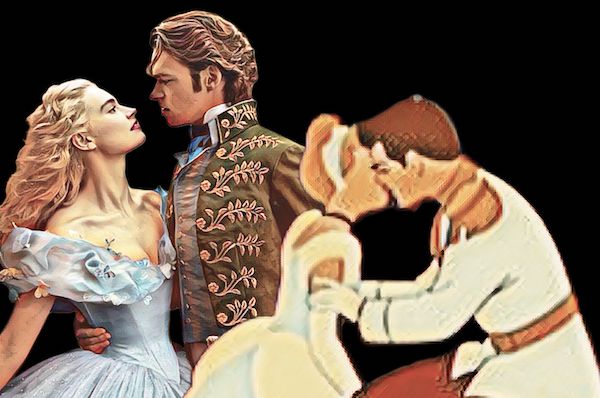
Decades of novels, soap operas, and romantic comedies have continued to repeat the same idea. In Pretty Woman, Vivian transforms Edward. In Grease, Sandy and Danny change for each other. In Sex and the City, Carrie never completely gives up the hope that Big will finally be different.
Perhaps one of fiction’s greatest difficulties lies precisely there. It knows how to tell stories about impossible passions, love triangles, and grand tragedies, but it rarely seems to know what to do with happy couples. I have written before about the way films, books, and television continue to associate true love with suffering. As though intensity were proof of authenticity. As though pain were the measure of love.
Popular music is no different. Much of Taylor Swift‘s work is permeated by this hope. In Cardigan, there is the belief that, after all the wrong choices, someone will eventually return to their true home. In Peter, hope survives that an old promise will finally be fulfilled. In You’re Losing Me, love collides with the painful realization that loving someone is not enough to make them fight for the relationship. More recently, Opalite seems to carry another expression of that hope: the insistence on believing that one more chance will finally produce a different outcome.
Shania Twain turned a happier version of the same belief into an anthem. You’re Still the One celebrates the idea that, among all relationships, one managed to survive.

There is nothing ridiculous about any of this. Quite the opposite. Perhaps every person in love carries a small dose of arrogance. Not in the worst sense of the word, but in the profoundly human belief that they will achieve what no one else could. The ex-wife could not. The former boyfriend could not. The previous partners could not. But with me, things will be different.
Freud would probably have been skeptical. In Beyond the Pleasure Principle, he described what he called the compulsion to repeat. We have a tendency to recreate familiar patterns, including painful ones. Not because we seek suffering, but because what is familiar often feels less frightening than what is unknown.
Jung offered a formulation that would become even more famous: “Until you make the unconscious conscious, it will direct your life, and you will call it fate.” What appears to be bad luck, coincidence, or an inexplicable succession of similar stories may, in part, be a repetition we have not yet learned to recognize.
None of this means that people are condemned to repeat the same mistakes forever. If that were true, analysis itself would make little sense. The point is that change does not happen by magic. Freud would never claim that people cannot change. But he would probably ask a far less romantic and much more difficult question: what has this person done with their previous relationships? What have they learned? What have they worked through?
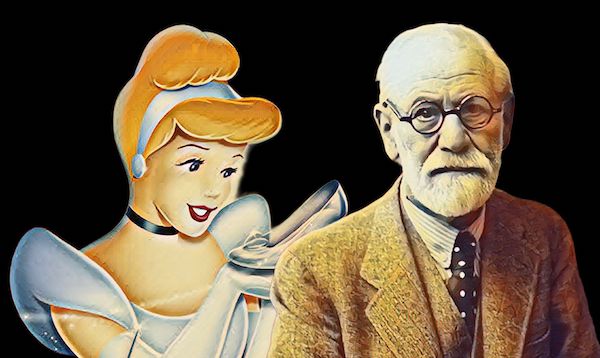
Because we cannot transform what we refuse to acknowledge. Perhaps that is why learning about someone’s romantic history should not be about assigning blame, but about understanding patterns. How does this person deal with conflict? With rejection? With intimacy? With frustration? And, perhaps more importantly, what are my own patterns?
Because the uncomfortable truth is that we repeat, too. We choose similar people. We return to familiar emotional places. We are also somebody’s ex.
Popular culture prefers to believe that one special person changes another. Freud and Jung might have offered something more modest and, paradoxically, more hopeful. People change. Relationships evolve. But love alone rarely produces that change.
Perhaps mature love begins when we abandon the romantic question — “Why would this person change for me?” — and replace it with another, far less cinematic and far more important: is there anything in this person that suggests they have already begun to change for themselves?
Perhaps the problem is that we enter relationships looking to be the exception, without realizing that the exception is not the beginning of the story.
When it exists, it is the result of awareness, reflection, and transformation.
Descubra mais sobre
Assine para receber nossas notícias mais recentes por e-mail.

