
After five seasons following Carmy Berzatto’s journey, The Bear is ending by looking back to where everything began. The final episode is titled “The Original Beef of Chicagoland,” the name of the family restaurant before it was transformed into the upscale establishment known as The Bear.
The choice seems simple, but it is almost certainly intentional.
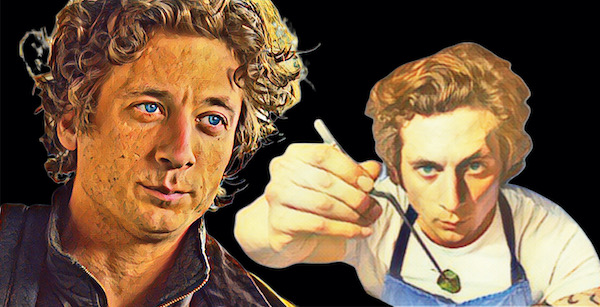
Since its debut, the series has been presented as the story of an acclaimed chef who leaves the world of fine dining behind to take over the restaurant his brother left him after his death. Beneath the stories about kitchens, menus, and restaurant reviews, however, Christopher Storer has always been telling a different story: the story of Chicago.
More specifically, the story of three distinct versions of Chicago ultimately shaped Carmy Berzatto.
The first is the most obvious. The fictional Original Beef of Chicagoland was directly inspired by Mr. Beef, the sandwich shop founded by Joe Zucchero in 1979 and now operated by his son, Chris. A childhood friend of Storer’s, Zucchero, opened the restaurant’s doors to the production and helped create the atmosphere that made the series feel so distinctive.
The cramped counter, the regular customers, the kitchen that always seems moments away from chaos, and the sense that the place belongs to the neighborhood as much as it belongs to its owners all come directly from Mr. Beef. Nearly fifty years after opening, the real restaurant is still serving its famous Italian beef sandwich and, thanks to the show’s success, has become one of Chicago’s most popular culinary destinations.
But Carmy was never simply the heir to a family business.
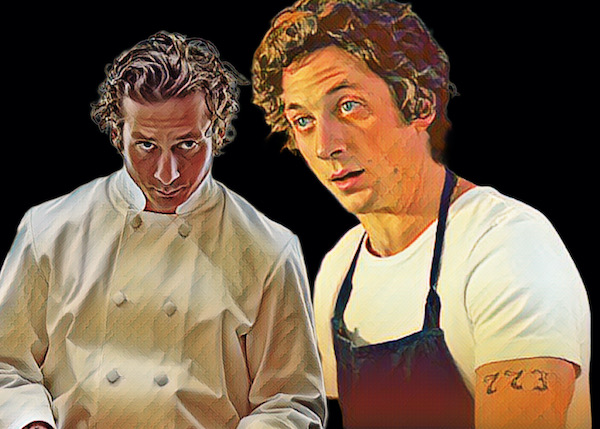
Much of his personality appears to be drawn from another towering figure in Chicago’s culinary history: Charlie Trotter. The chef helped put the city on the fine-dining map and became known for a relentless pursuit of excellence that inspired admiration and fear in equal measure. The constant pressure, the perfectionism, and the belief that any mistake is unacceptable echo throughout virtually every season of The Bear.
That influence can be seen in nearly every decision Carmy makes. Even when trying to save his family’s restaurant, he approaches the kitchen as if it were a battlefield. The problem was never just money or management. It was his inability to silence the voice telling him that everything had to be perfect.
Between those two worlds—the neighborhood sandwich shop and the Michelin-driven restaurant—lies a third influence that is less obvious, but perhaps essential to understanding the series.
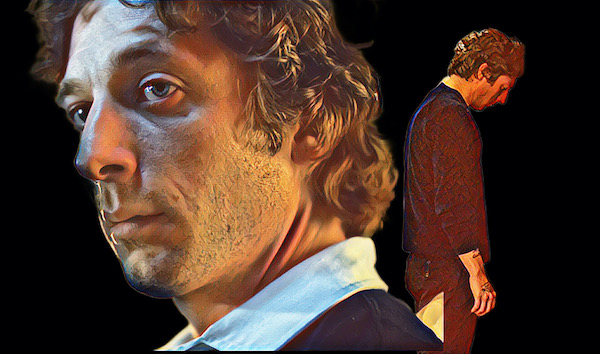
Doug Sohn, founder of the legendary Hot Doug’s, built his reputation by proving that comfort food and fine dining did not have to exist in separate universes. While many chefs chose between tradition and sophistication, Sohn was putting foie gras, truffles, and luxury ingredients inside hot dogs served in an approachable, casual setting.
His rebellious streak became especially famous during Chicago’s so-called Foie Gras War. When the city banned foie gras in 2006, Sohn continued serving his celebrated Foie Dog and willingly paid the fines that followed. Rather than hiding the citations, he framed them and displayed them inside the restaurant.
Behind the provocation was a remarkably simple philosophy: there was no reason to choose between popular food and fine dining.
Looking at Carmy’s journey, it is difficult not to see that same idea running through the entire series.
When he transformed the Beef into The Bear, he believed he was leaving one world behind and embracing another. Yet perhaps his real challenge was never choosing between Mikey’s legacy and Michelin-level ambition. Perhaps it was finding a way to combine them. That is why the title of the final episode feels so significant.
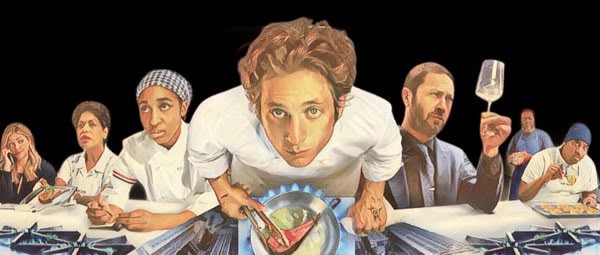
After years spent talking about innovation, ambition, and excellence, the series ends by invoking the name of the original restaurant. Not the transformed version. Not the fine-dining dream. Not the future, but the past. Or at least the part of it worth preserving.
If the title offers any clue about Carmy’s fate, it may lie there. The Bear has always been a series about grief, inheritance, and identity far more than it has been about food. The kitchen merely provided the setting for people trying to understand who they were after loss, failure, or the realization that the dream they were chasing might not truly be their own.
Mr. Beef represents the community Carmy left behind. Charlie Trotter represents the excellence he spent his life pursuing. Doug Sohn represents the possibility that those two forces are not mutually exclusive.
It is still too early to know which path the series will ultimately choose. But the title of its final episode suggests that the answer may have less to do with Michelin stars than with the things that existed before them.
In the end, the central question of The Bear was never how to run a restaurant. It was how to decide what is worth saving when everything else changes. And perhaps the series finale is finally ready to answer that question.
Descubra mais sobre
Assine para receber nossas notícias mais recentes por e-mail.

