
I still need to listen to Confessions II track by track, but one thing is already clear from both the first listens and the critical response: Madonna has finally decided to do something she avoided for most of her career: she has chosen to look back. And for anyone who has followed her for more than four decades in music, that may be the album’s greatest surprise.
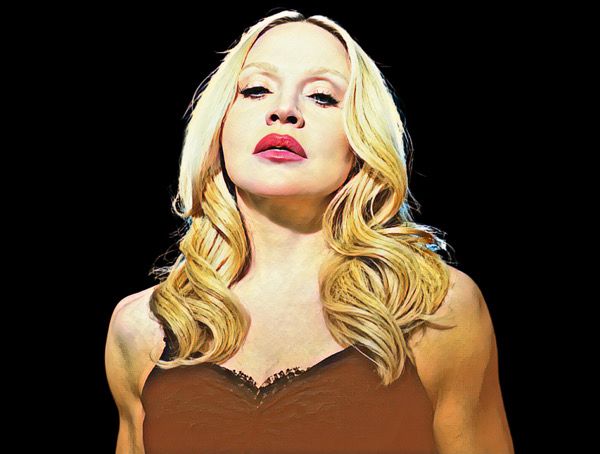
The first international reviews have been overwhelmingly positive, with some critics calling Confessions II Madonna’s best work since Confessions on a Dance Floor (2005) and, for others, her strongest album in nearly twenty years. The consensus is relatively clear: reunited with Stuart Price, Madonna has stopped trying to chase trends and returned to the space she helped create — sophisticated, emotional, autobiographical, and deeply danceable electronic music, but there is something even more interesting happening here.
Madonna has always sung about urgency. Time, impatience, and the relentless passage of life have never been secrets in her work. Since the 1980s, her catalog has rarely been nostalgic. The past, even when painful, existed to be overcome. The future always mattered more: the next transformation, the next persona, the next artistic revolution.
Perhaps that is why Confessions II feels so different.
Approaching her 68th birthday, after profound personal losses — including the deaths of two siblings and her stepmother — and following the near-death experience caused by the severe bacterial infection she suffered in 2023, Madonna appears to have reached a rare moment: one in which she looks at her own history not as something to escape, but as something to understand.

It is no coincidence that this album arrives while her long-discussed autobiographical film remains in development, passing through different versions, screenwriters, and Madonna’s own insistence on participating directly in the construction of her story. If for decades she obsessively controlled how the world saw her, she now seems interested in something more difficult: understanding what her own life and career ultimately mean.
And she does so in the only place where she has always been absolutely sovereign: the dance floor. That, in itself, is a profoundly Madonna-like decision. Perhaps even the smartest one she could have made.
Because it must be acknowledged: on her most recent albums, Madonna often seemed determined to prove that she could still anticipate trends, discover emerging artists, and absorb new sounds. The problem was that the effect was no longer the same. I say this as a fan. I have my favorite Madonna albums, and honestly, her last three studio records would not be among them.
Which is precisely why I was surprised that she embraced the idea of making a direct sequel to one of her most celebrated works.
But that’s okay.
Madonna may complain about algorithms and contemporary culture, but she still understands, better than almost anyone else, the power of a brand, a symbol, and a narrative. Calling this album Confessions II is not merely a marketing strategy. It is also a statement: she knows exactly which chapter of her story she wants to revisit. And perhaps that is because confessional Madonna has always been one of the most fascinating versions of Madonna.
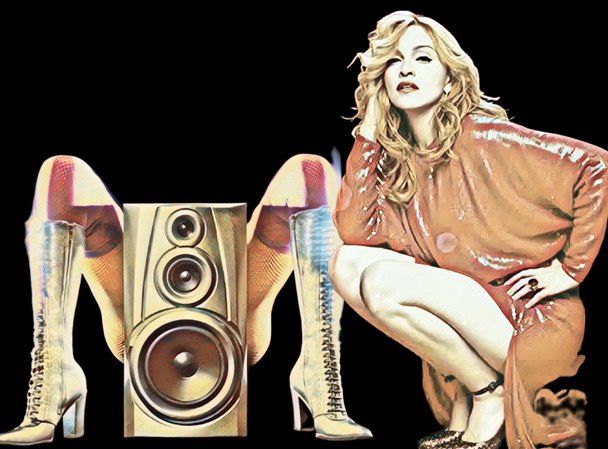
After all, honesty has always been her artistic surname. From the sexual diaries of the 1990s to the spiritual revelations of Ray of Light, through family losses, romantic crises, and the experience of aging itself, she has never been afraid to transform vulnerability into spectacle. Even those who believe they know everything about Madonna still want to know more.
Because her greatest talent was never simply reinvention, it was self-revelation.
And if there is one place where Madonna has always found the freedom to do that, it is precisely where she returns now: the dance floor. Dancing, moving, transforming pain into rhythm and memory into celebration, Madonna is not merely rediscovering her own freedom.
She continues to offer that freedom to the rest of us.
Descubra mais sobre
Assine para receber nossas notícias mais recentes por e-mail.

