
There is something different about Death of the Pastor’s Wife, the three-part documentary that premiered on August 26 and quickly climbed to the top of Netflix’s rankings. Unlike so many true crime stories in which we spend hours trying to discover who killed the victim, Mica Miller’s death has technically been considered solved since May 2024. Investigators concluded that the 30-year-old died by suicide in a North Carolina park and closed the case. Two years later, however, everything that happened before her death is precisely what has turned an apparently closed story into one of the platform’s most disturbing hits.
Mica was a singer and worship leader at Solid Rock Church in Myrtle Beach and met John-Paul “JP” Miller when she was still a teenager, and he was already a pastor and spiritual mentor. Years later, the two began a relationship while still married to other people and eventually married in 2017. According to relatives, friends and former church members interviewed in the documentary, what looked from the outside like a story of faith gradually became a relationship marked by control, dependency and emotional, financial and spiritual abuse, allegations Miller disputes.
When Mica tried to leave the marriage, the situation escalated. Police reports, messages and documents shown in the series indicate that she repeatedly sought help and reported harassment, tracking and intimidation. In a declaration filed during the divorce proceedings, she described different forms of abuse throughout the marriage. On April 27, 2024, just two days after serving her husband with new divorce papers, she was found dead at Lumber River State Park. Her death was officially ruled a suicide on May 7, and the criminal investigation into it was closed.
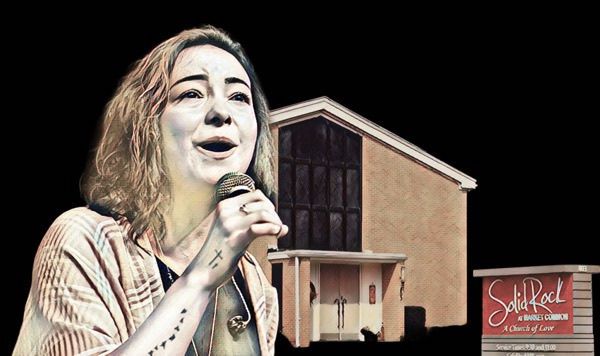
That is exactly where Death of the Pastor’s Wife separates itself from more traditional true crime. Directors Julia Willoughby Nason and Michael Gasparro, who previously worked on Murdaugh Murders: A Southern Scandal and American Murder: Gabby Petito, did not have a “who killed her?” mystery to solve. The question was different: how did Mica reach the point where she took her own life? The filmmakers have said they were drawn to the story because she seemed to spend the final months of her life desperately trying to be heard.
That is also why the documentary relies on much more than retrospective interviews. It uses Mica’s diaries, messages, personal videos, medical and police records and, perhaps most revealingly, recorded sermons by JP, allowing the relationship itself to be reconstructed through documents and the words of those involved. Friends and relatives speak in some cases for the first time, and the filmmakers’ stated goal was to restore Mica’s voice rather than reduce her death to another television puzzle.
The case, however, did not end when her death was ruled a suicide. In December 2025, a federal grand jury indicted John-Paul Miller on cyberstalking charges and for allegedly making false statements to investigators. Prosecutors allege that, between November 2022 and Mica’s death, he sent unwanted communications, published an intimate image of her without consent, placed tracking devices on her vehicle, interfered with her finances and, on one occasion, contacted her more than 50 times in a single day. Miller has pleaded not guilty, remains free on bond and has not been charged with causing or participating in Mica’s death.
His federal trial, after being delayed more than once, is now scheduled for the October 2026 court term. That makes the timing of the Netflix documentary especially striking: it arrives when the investigation into Mica’s death is officially over, but a criminal case related to Miller’s alleged behavior before her death is still waiting to be decided.

Meanwhile, life around the case has changed considerably. The Solid Rock Church property has been sold, JP remarried in June 2025 and, according to the documentary, continues preaching to a much smaller group of followers in temporary spaces around Myrtle Beach. Mica’s family, meanwhile, has pushed for changes to South Carolina law that would recognize coercive control as a form of domestic violence. The proposal, often referred to by the family as “Mica’s Law,” failed to advance during the 2026 legislative session, although supporters intend to bring it back.
Perhaps that is exactly why Death of the Pastor’s Wife works so well in a genre that is beginning to suffer from an excess of familiar stories. There is no final twist secretly revealing a murderer, and the documentary does not need to manufacture a conspiracy to challenge the official police conclusion. Instead, it asks a far more uncomfortable question: when someone spends months asking for help, describing harassment and control, trying to leave a relationship and eventually dies by suicide, is it really enough to say the case has been solved?
Officially, Mica Miller’s death has been closed for more than two years. Everything that came before it, however, is still being judged.
Descubra mais sobre
Assine para receber nossas notícias mais recentes por e-mail.

