
It started as an apparently simple attempt to list my favorite movies of all time. I decided 45 sounded like a nicer number. Soon we were at 55. When I realized important titles had almost been left out, I accepted the obvious: I didn’t need a shorter list. I needed a better memory. I ended up with 70.
The order is not a ranking. There is, of course, an almost non-negotiable core that includes The Red Shoes, The Turning Point, Gone With the Wind, Rogue One, Star Wars, Blow-Up, Citizen Kane, Dead Poets Society, The Lord of the Rings, Vertigo and Sunset Boulevard. The Music Teacher and The Innocents also hover dangerously close to my Top 20.
What surprised me, once I saw such different films together, was how consistent the choices actually are. Desire, obsession, art, sacrifice, memory, identity, unlived lives and people paying dearly for what they believe in keep returning. So this is not really a list of the “greatest movies ever made.” These are the movies that stayed with me.
From Star Wars to Vertigo
1. Star Wars — The Original Trilogy (1977–1983)
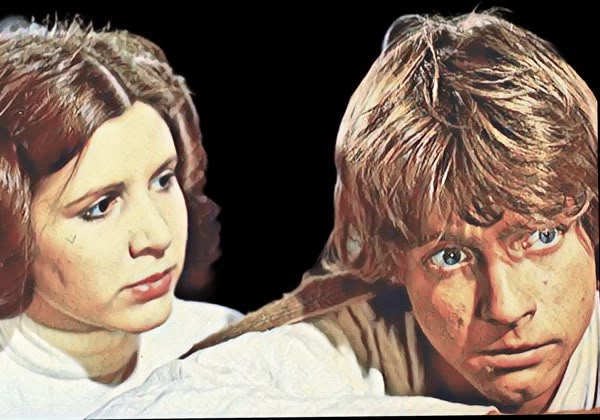
George Lucas directed the first film, Irvin Kershner The Empire Strikes Back and Richard Marquand Return of the Jedi. Mark Hamill, Harrison Ford and Carrie Fisher anchor Luke Skywalker’s battle against the Empire. Idealism, friendship, destiny and sacrifice run through almost everything I love about movies.
2. Gone With the Wind (1939)
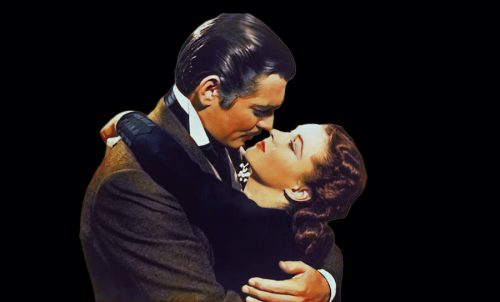
Victor Fleming directs Vivien Leigh, Clark Gable, Olivia de Havilland and Leslie Howard. Scarlett O’Hara survives the American Civil War while clinging to Tara and pursuing a love that may exist mostly in her imagination. Desire, survival, emotional blindness and regret make it essential.
3. Blow-Up (1966)
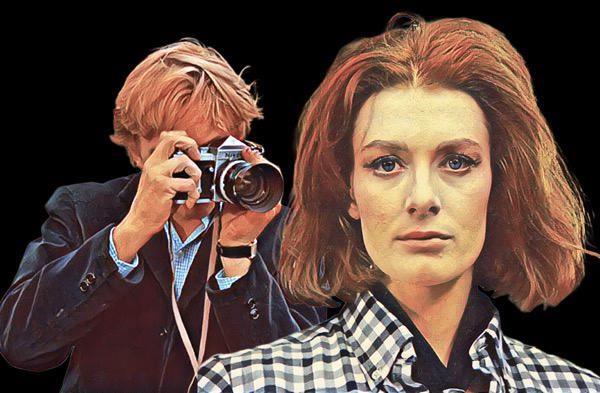
Michelangelo Antonioni directs David Hemmings, Vanessa Redgrave and Sarah Miles. A photographer believes he may have captured a murder and obsessively enlarges his pictures looking for an answer. Few films explore one of my favorite questions so brilliantly: does seeing something mean we truly understand it?
4. Citizen Kane (1941)
Orson Welles directs and stars as Charles Foster Kane alongside Joseph Cotten and Agnes Moorehead. After Kane dies, a journalist tries to reconstruct his life and decipher “Rosebud.” Memory, power and identity emerge through contradictory versions of a man we can never completely know.

5. Rogue One (2016)
Gareth Edwards directs Felicity Jones, Diego Luna, Ben Mendelsohn and Donnie Yen. An unlikely group risks everything to steal the Death Star plans. It is one of my favorite stories about sacrifice: the characters do not need to survive for what they did to matter.
6. The Turning Point (1977)
Herbert Ross directs Shirley MacLaine, Anne Bancroft and Mikhail Baryshnikov. Two dancers who chose different lives meet again when the next generation enters the ballet world. Few films understand so well the tension between the life we chose and the one we necessarily gave up.
7. The Red Shoes (1948)
Michael Powell and Emeric Pressburger direct Moira Shearer, Anton Walbrook and Marius Goring. A ballerina faces an impossible conflict between love and art. But the real question is larger: what happens when a profession is not simply what you do, but inseparable from who you are?
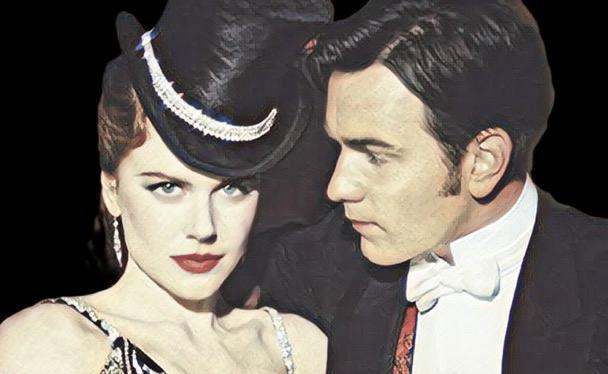
8. Moulin Rouge! (2001)
Baz Luhrmann directs Nicole Kidman and Ewan McGregor in a romantic tragedy turned into a musical and visual explosion. Love, art, spectacle and death operate at maximum volume. It is unapologetic melodrama that believes completely in the power of love.
9. The Fearless Vampire Killers (1967)
Roman Polanski directs and stars with Jack MacGowran, Sharon Tate and Ferdy Mayne. Two vampire hunters arrive in a village where their theories prove dangerously accurate. I also love cinema when it embraces absurdity, black humor and camp without sacrificing elegance.
10. Dead Poets Society (1989)
Peter Weir directs Robin Williams, Ethan Hawke and Robert Sean Leonard. John Keating encourages his students to imagine lives not completely determined by other people. Idealism, freedom and responsibility collide, and the film never pretends choosing your own path comes without consequences.

11. The Lord of the Rings — Trilogy (2001–2003)
Peter Jackson directs Elijah Wood, Ian McKellen, Viggo Mortensen and Sean Astin. Frodo must destroy the One Ring before it destroys his world. Friendship, mortality, corruption and duty make this, above all, a story about carrying a burden because no one else can carry it for you.
12. Sense and Sensibility (1995)
Ang Lee directs Emma Thompson, Kate Winslet, Alan Rickman and Hugh Grant. The Dashwood sisters face love and loss through radically different relationships with emotion. Reason and feeling are not necessarily enemies, and few Austen adaptations understand the cost of trying to control desire so well.
13. Henry V (1989)
Kenneth Branagh directs and stars as the young king alongside Derek Jacobi, Emma Thompson, Judi Dench and Ian Holm. Shakespeare meets mud, blood and responsibility. The heroism works precisely because Branagh never entirely removes the human cost of leadership.

14. L.A. Confidential (1997)
Curtis Hanson directs Guy Pearce, Russell Crowe, Kim Basinger and James Cromwell. Three policemen investigate crimes in a Los Angeles designed to sell glamour while concealing corruption. Another recurring obsession: the distance between what an image promises and what actually exists.
15. Ryan’s Daughter (1970)
David Lean directs Sarah Miles, Robert Mitchum and Trevor Howard. In Ireland during World War I, desire, marriage and social judgment collide. Lean turns an intimate conflict into an epic landscape — exactly the kind of emotional grandeur I love.
16. High Anxiety (1977)
Mel Brooks directs and stars alongside Madeline Kahn and Cloris Leachman in his affectionate Hitchcock parody. A psychiatrist arrives at a deeply suspicious institution. Loving Hitchcock also means being able to laugh at his obsessions, framing, birds and mysterious blondes.
17. Rope (1948)
Alfred Hitchcock directs James Stewart, John Dall and Farley Granger. Two young men murder a friend to prove a theory of intellectual superiority and then host a party beside the hidden body. Control, arrogance and turning another human being into an object make it deeply disturbing.
18. North by Northwest (1959)
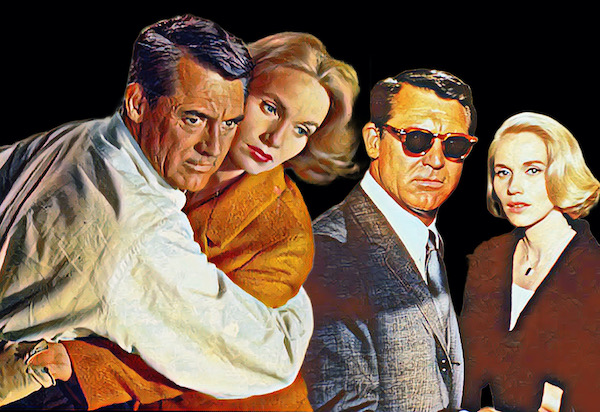
Hitchcock directs Cary Grant, Eva Marie Saint and James Mason. An ordinary man is mistaken for an agent who does not even exist. Identity, seduction, danger and humor combine in Hitchcock at his most exhilaratingly entertaining.

19. Rear Window (1954)
Hitchcock brings together James Stewart, Grace Kelly and Thelma Ritter. Confined to his apartment, a photographer watches his neighbors and believes he has discovered a murder. Like Blow-Up, it asks whether looking really means knowing.
20. Vertigo (1958)
Hitchcock directs James Stewart and Kim Novak. Scottie loses a woman and attempts to reconstruct her through another. Desire becomes projection, love becomes fabrication, and the real woman must disappear for fantasy to survive. Few movies feel quite so inexhaustible to me.
From The Heiress to Harry Potter
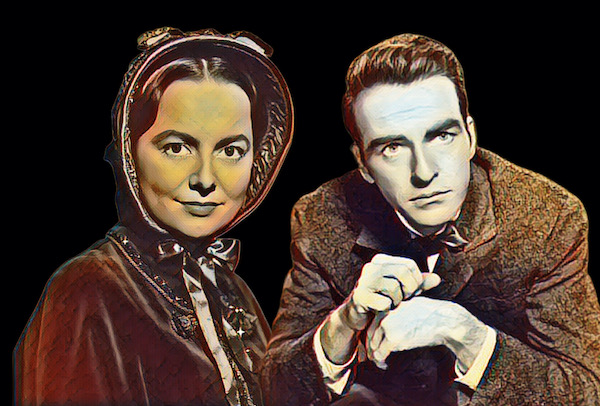
21. The Heiress (1949)
William Wyler directs Olivia de Havilland, Montgomery Clift and Ralph Richardson. A young woman believes she has found love while her father suspects her suitor only wants money. Humiliation and abandonment do not merely hurt her; they fundamentally reorganize her personality.
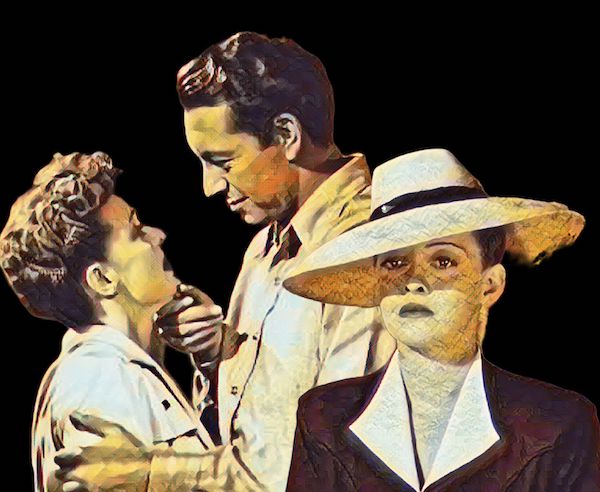
22. Now, Voyager (1942)
Irving Rapper directs Bette Davis, Paul Henreid, and Claude Rains. A woman dominated by her mother gains independence and finds a love she cannot fully possess. Growing up requires separation, and loving someone does not necessarily mean having them.
23. Pirates of the Caribbean — First Trilogy (2003–2007)
Gore Verbinski directs Johnny Depp, Keira Knightley, Orlando Bloom and Geoffrey Rush. Pirates, curses, romance and empire collide in adventures that still remember to be fun. Jack Sparrow wants freedom; everyone else repeatedly discovers how much freedom costs.
24. The Apartment (1960)
Billy Wilder directs Jack Lemmon, Shirley MacLaine and Fred MacMurray. An employee lends his apartment to his bosses until he discovers the woman he loves is involved with one of them. It is about loneliness, dignity, and finally deciding not to accept less.

25. Sunset Boulevard (1950)
Billy Wilder directs Gloria Swanson and William Holden. Norma Desmond lives inside the fantasy that the world is still waiting for her return. Cinema, narcissism, aging, decay and denial combine in a film that remains funny, heartbreaking and frightening at once.
26. All About Eve (1950)
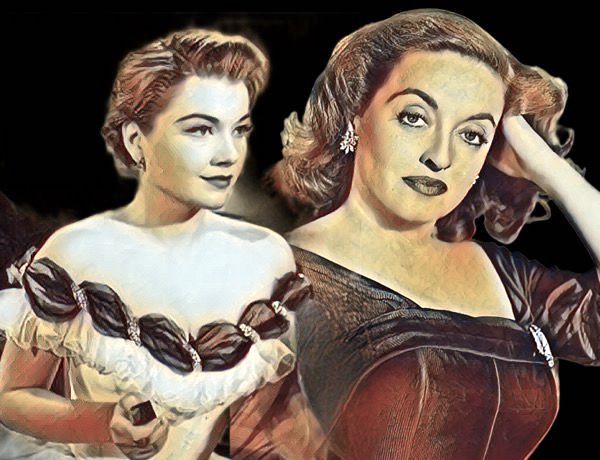
Joseph L. Mankiewicz directs Bette Davis, Anne Baxter, George Sanders and Thelma Ritter. A young fan moves closer to a great actress and begins occupying every part of her life. Ambition, envy, aging and performance exist both onstage and off.
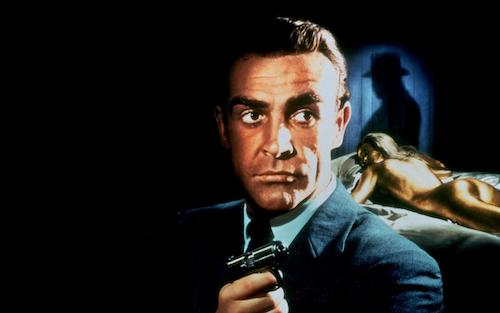
27. Goldfinger (1964)
Guy Hamilton directs Sean Connery, Honor Blackman and Gert Fröbe. Bond tries to stop Goldfinger’s plan involving Fort Knox. Not everything needs to conceal a profound trauma: sometimes I simply want Bond at his most iconic, elegant, entertaining and absurdly confident.
28. On Her Majesty’s Secret Service (1969)
Peter R. Hunt directs George Lazenby, Diana Rigg and Telly Savalas. Bond meets Tracy and, for once, seems able to imagine a life outside espionage. It is the Bond film that allows him to love, choose and lose.
29. Skyfall (2012)
Sam Mendes directs Daniel Craig, Judi Dench and Javier Bardem. M’s past returns in the shape of an enemy determined to destroy her. Family, abandonment, aging, loyalty and death turn a Bond movie into something unexpectedly emotional.
30. The Godfather — Trilogy (1972–1990)
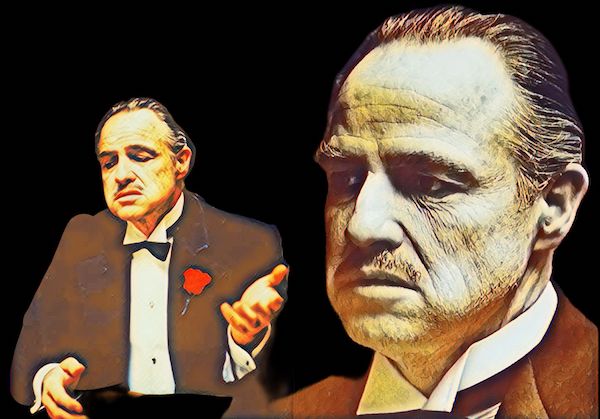
Francis Ford Coppola follows the Corleone family with Al Pacino, Marlon Brando, Robert De Niro, Diane Keaton and Robert Duvall. Michael tries to escape his family destiny and ultimately embodies it. Inheritance, repetition and the impossibility of fully escaping where we come from.
31. A Shot in the Dark (1964)
Blake Edwards directs Peter Sellers, Elke Sommer and George Sanders. Clouseau becomes convinced that a murder suspect is innocent despite increasingly overwhelming evidence. Irrational conviction elevated to an art form — and one of those comedies that never stops being funny to me.

32. From Russia with Love (1963)
Terence Young directs Sean Connery, Daniela Bianchi and Robert Shaw. Bond becomes a pawn in a SPECTRE operation. More espionage than spectacle, it is built around seduction, duplicity and intelligence.
33. Rosemary’s Baby (1968)
Roman Polanski directs Mia Farrow, John Cassavetes and Ruth Gordon. Rosemary suspects everyone around her is conspiring against her while they insist her perceptions cannot be trusted. The horror lies in the question: what if you are right when everyone says you are losing your mind?
34. Grease (1978)
Randal Kleiser directs John Travolta, Olivia Newton-John and Stockard Channing. Danny and Sandy discover that their summer romance does not fit easily into their high-school identities. Music, nostalgia and performance: who are we, and who do we pretend to be for others?
35. The Prophecy (1995)
Gregory Widen directs Christopher Walken, Elias Koteas, Virginia Madsen and Viggo Mortensen. A civil war among angels spills into the human world. I love the way it turns religion into dark mythology and presents evil as intelligent, seductive and deeply unsettling.
36. Young Frankenstein (1974)
Mel Brooks directs Gene Wilder, Peter Boyle, Marty Feldman and Madeline Kahn. A descendant of Frankenstein rejects his family legacy until he begins repeating it. Even inside pure absurdity lies a familiar question: can we ever completely escape what we inherit?
37. E.T. the Extra-Terrestrial (1982)
Steven Spielberg directs Henry Thomas, Dee Wallace and Drew Barrymore. A lonely boy helps an abandoned alien return home. Friendship, separation, and the painful discovery that loving someone can mean letting them leave.

38. Back to the Future — Trilogy (1985–1990)
Robert Zemeckis directs Michael J. Fox and Christopher Lloyd through the past, future and alternate realities. It is perfect adventure cinema, but also a trilogy about determinism: how much of our story is fate, and how much can still be rewritten?
39. Se7en (1995)
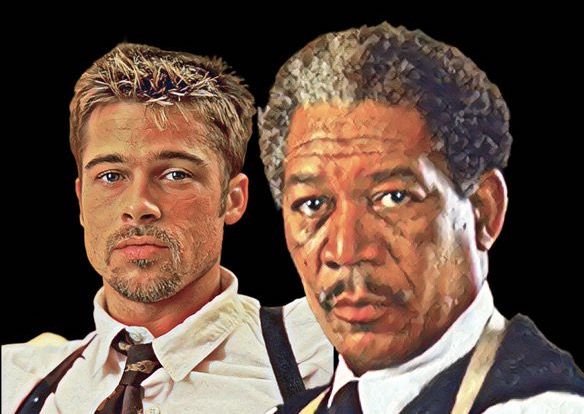
David Fincher directs Morgan Freeman, Brad Pitt and Gwyneth Paltrow. Two detectives pursue a killer whose murders are structured around the seven deadly sins. Understanding arrives at precisely the moment when knowledge can no longer save anyone.
40. Harry Potter — The Saga (2001–2011)
Daniel Radcliffe, Emma Watson and Rupert Grint grow up onscreen under directors ranging from Chris Columbus to Alfonso Cuarón and David Yates. Chosen family, death, friendship, destiny and the possibility of deciding who we are despite what we inherit.
From Indiana Jones to Delicatessen
41. Indiana Jones — First Trilogy (1981–1989)
Steven Spielberg directs Harrison Ford through three adventures that helped define modern action cinema, culminating with Sean Connery as his father in The Last Crusade. Action, humor and history — plus a father-son relationship that gives the third film unexpected emotional depth.
42. Inception (2010)
Christopher Nolan directs Leonardo DiCaprio, Marion Cotillard, Joseph Gordon-Levitt and Tom Hardy. A specialist invades dreams while guilt threatens to destroy his mission. Memory, projection, grief and that irresistible final question: but was it real?

43. Singin’ in the Rain (1952)
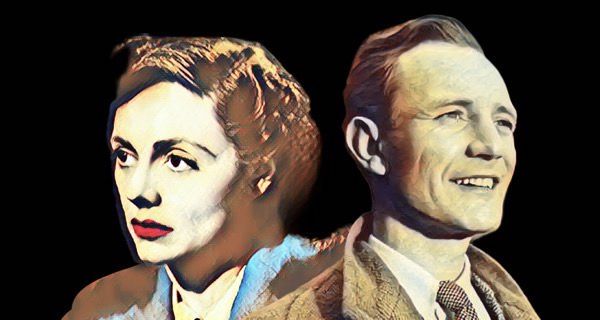
Gene Kelly and Stanley Donen direct Kelly, Debbie Reynolds, Donald O’Connor and Jean Hagen. Hollywood struggles to survive the transition from silent films to sound. It is a movie about cinema, transformation and backstage chaos that somehow makes everything feel joyous.
44. Waterloo Bridge (1940)
Mervyn LeRoy directs Vivien Leigh and Robert Taylor. A ballerina and an officer fall in love during wartime until a mistake tragically changes their lives. Ballet, war, impossible love and Vivien Leigh: it could hardly fit this list better.
45. Brief Encounter (1945)
David Lean directs Celia Johnson and Trevor Howard. Two married people fall in love and must decide whether their feelings justify destroying the lives built around them. It may be one of cinema’s purest expressions of desire versus renunciation.
46. The Rocky Horror Picture Show (1975)
Jim Sharman directs Tim Curry, Susan Sarandon and Barry Bostwick. A conventional couple enters Frank-N-Furter’s world and watches every certainty collapse. Camp, musical theater, transgression and identity as spectacle — plus Tim Curry at his most unforgettable.
47. Clue (1985)
Jonathan Lynn directs Tim Curry, Madeline Kahn, Christopher Lloyd and Lesley Ann Warren. Strangers with secrets gather in a mansion where people start dying. Mystery, theatricality, timing and absurdity in a combination I can rewatch endlessly.
48. The Usual Suspects (1995)
Bryan Singer directs Gabriel Byrne, Kevin Spacey, Benicio del Toro and Chazz Palminteri. A survivor reconstructs the story of criminals connected to the mysterious Keyser Söze. Narrative and reality blur until one final piece of information reorganizes everything we believed.
49. Casablanca (1942)
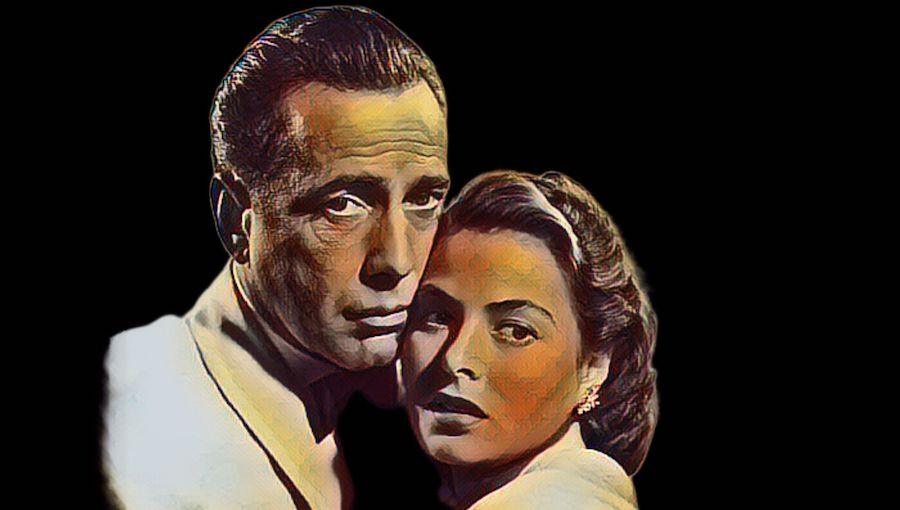
Michael Curtiz directs Humphrey Bogart, Ingrid Bergman, Paul Henreid and Claude Rains. Rick reunites with the woman he loves but must decide whether getting her back matters more than helping her leave. Loving someone and letting them go for something larger: one of this list’s defining themes.
50. The Music Teacher / Le Maître de musique (1988)
Gérard Corbiau directs José van Dam, Anne Roussel and Philippe Volter. A great singer leaves the stage and devotes himself to training young artists. Art as discipline, vocation, transmission and sacrifice explains why it is not merely in my 70 — it belongs somewhere around my Top 20.

51. The Sound of Music (1965)
Robert Wise directs Julie Andrews, Christopher Plummer and Eleanor Parker. Maria transforms a family through music as Nazism closes in on Austria. Love, music, family, and a moral choice made when history suddenly enters private life.
52. Victor/Victoria (1982)
Blake Edwards directs Julie Andrews, James Garner and Robert Preston. A struggling singer performs as a man who performs as a woman. A sophisticated musical comedy about desire, gender, identity and our endless need to place other people into categories.
53. Toto le héros (1991)
Jaco Van Dormael directs Michel Bouquet, Jo De Backer and Mireille Perrier. A man believes he was switched at birth and that someone else lived the life that should have been his. The real life versus the imagined one: The Turning Point filtered through absurdity and melancholy.
54. Dangerous Liaisons (1988)
Stephen Frears directs Glenn Close, John Malkovich and Michelle Pfeiffer. Merteuil and Valmont use other people as pieces in a game of seduction until genuine emotion escapes their control. Desire as power and the dangerous fantasy that consequences can be managed.
55. Delicatessen (1991)
Jean-Pierre Jeunet and Marc Caro direct Dominique Pinon and Marie-Laure Dougnac in a post-apocalyptic world where food has become a deeply sinister problem. Black comedy, surrealism, romance and humanity somehow surviving inside the grotesque.
The Movies That Almost Got Left Behind
56. Son of the Bride / El hijo de la novia (2001)
Juan José Campanella directs Ricardo Darín, Héctor Alterio and Norma Aleandro. An overwhelmed man reassesses his life when his father decides to fulfill an old dream of marrying his mother again. Love, aging, memory and family without cheap sentimentality.
57. The Secret in Their Eyes / El secreto de sus ojos (2009)
Campanella reunites with Ricardo Darín, joined by Soledad Villamil and Guillermo Francella. An old murder and an unresolved love continue haunting a man decades later. Memory, obsession, justice and everything time fails to close.
58. Kamchatka (2002)
Marcelo Piñeyro directs Ricardo Darín, Cecilia Roth and Matías del Pozo. A family hides from Argentina’s dictatorship, largely seen through the eyes of a child. History enters domestic life while parents desperately try to preserve normality before an inevitable loss.
59. The Great Gatsby (2013)
Baz Luhrmann directs Leonardo DiCaprio, Carey Mulligan and Tobey Maguire. Gatsby constructs a spectacular world in an attempt to recover an idealized love. This is precisely why Luhrmann’s version works for me: visual excess serving desire, fantasy, class and self-destruction.
60. The Piano (1993)
Jane Campion directs Holly Hunter, Harvey Keitel, Sam Neill and Anna Paquin. A mute woman finds her deepest voice through her piano while fighting for desire and autonomy. Body, silence, repression and art as identity make its presence almost inevitable.
61. Amadeus (1984)
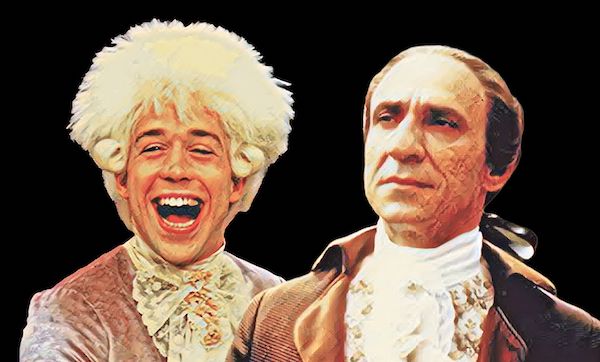
Miloš Forman directs F. Murray Abraham and Tom Hulce. Salieri watches Mozart possess the talent he believes he deserves, turning admiration into resentment. Genius, envy, vocation and the pain of recognizing greatness in someone else: how did I almost leave this one out?

62. Rebecca (1940)
Hitchcock directs Joan Fontaine, Laurence Olivier and Judith Anderson. A young bride arrives at Manderley and discovers she lives beneath the ghostly presence of her husband’s first wife. Identity, comparison, memory and an absent woman who controls everyone still present.
63. Cinema Paradiso (1988)
Giuseppe Tornatore directs Philippe Noiret and Salvatore Cascio. A filmmaker remembers childhood, his friendship with the local projectionist and his discovery of cinema. Memory, loss and love for moving images — perhaps the most unforgivable omission while I was building this list.
64. The Age of Innocence (1993)
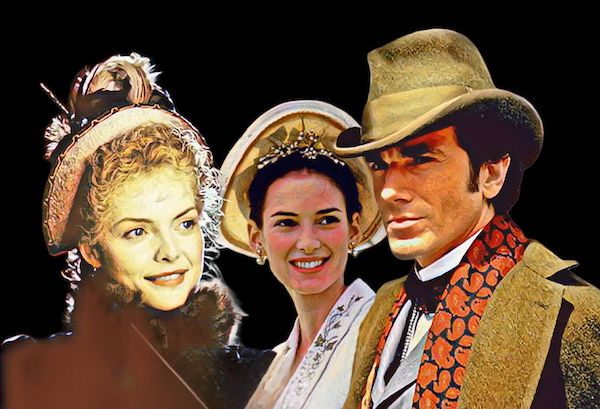
Martin Scorsese directs Daniel Day-Lewis, Michelle Pfeiffer and Winona Ryder. A man divided between convention and desire discovers that society needs no visible bars to operate like a prison. Restrained love, social codes and the life that might have been.
65. The House of Mirth (2000)
Terence Davies directs Gillian Anderson, Eric Stoltz and Laura Linney. Lily Bart tries to survive in a society where marriage and money operate as instruments of power. Desire, reputation, social cruelty, and the punishment reserved for those who fail to play perfectly by the rules.
66. The Purple Rose of Cairo (1985)
Woody Allen directs Mia Farrow and Jeff Daniels. A movie character literally walks off the screen to meet an unhappy audience member. Cinema as escape, fantasy and impossible love — followed by the painful reminder that fiction does not have to obey reality.
67. Match Point (2005)
Woody Allen directs Jonathan Rhys Meyers, Scarlett Johansson and Emily Mortimer. Ambition, desire and chance push a man toward increasingly terrible moral choices. A chilling film about the difference between guilt, punishment and sheer luck.
68. House of Flying Daggers (2004)
Zhang Yimou directs Zhang Ziyi, Takeshi Kaneshiro and Andy Lau. Espionage, rebellion and a love triangle become a visually breathtaking tragedy. Beauty is never mere decoration: it magnifies desire, loyalty and sacrifice.
69. The Innocents (1961)
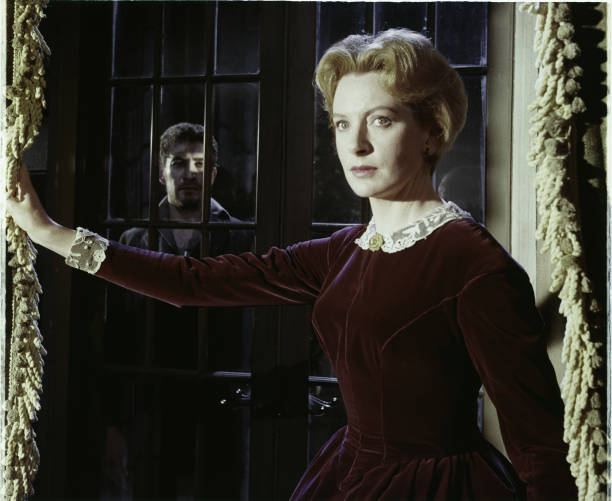
Jack Clayton directs Deborah Kerr, Martin Stephens and Pamela Franklin in this Henry James adaptation. A governess believes two children are under supernatural influence. But are we watching ghosts, repression, desire or projection? The impossibility of closing that question explains why it hovers near my Top 20.
70. The Thin Red Line (1998)
Terrence Malick directs Jim Caviezel, Sean Penn, Nick Nolte, Elias Koteas and Ben Chaplin in an epic set during Guadalcanal. War appears less as adventure than as an existential question about violence, nature, fear and what remains human inside destruction.
What the 70 Eventually Revealed
Once the list was finished, I realized my favorite movies cross too many genres for labels such as “I like classics,” “I like musicals” or “I like thrillers” to explain very much. What repeats are conflicts. I keep returning to characters caught between the life they chose and the one they might have lived; I return to the uncertainty between image and reality, and I return to idealism and the price of sacrifice. I also compulsively return to art as identity rather than pastime. Perhaps that is why I started out trying to choose 45 movies and ended up with 70. These are not necessarily the 70 greatest films ever made. They are the 70 that, for one reason or another, continue asking me questions. And that may be my ultimate definition of a favorite: the movie ends, but my conversation with it doesn’t.
Descubra mais sobre
Assine para receber nossas notícias mais recentes por e-mail.

