
There is enormous anticipation surrounding Practical Magic 2, but it cannot be explained solely by our love for Nicole Kidman, Sandra Bullock, or the Owens sisters. Fans want to return to that house, the kitchen, the garden, the potions, the midnight margaritas, and the fantasy of a family of women confronting male violence with magic and solidarity. They naturally want to know what happened to Sally and Gillian, but they also want to recover the feeling they had when they first met them.
That is precisely where the problem begins. Hollywood promises to return characters, clothes, music, and settings to us, but what part of the audience is searching for cannot be found within the movie. It exists in the woman each viewer was when she watched the original for the first time.
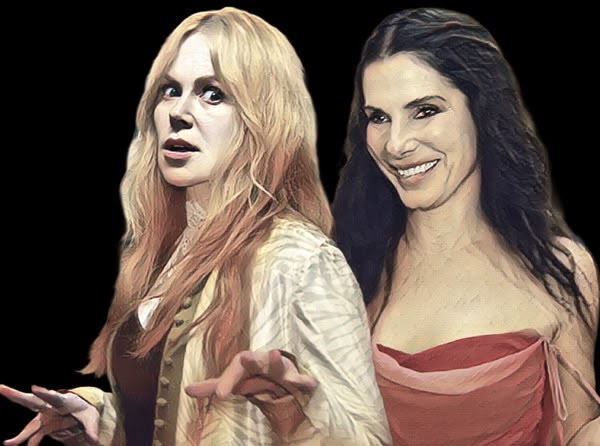
The phenomenon did not begin now. And Just Like That… demonstrated how a reunion can be simultaneously comforting and uncomfortable. Fans wanted Carrie, Miranda, and Charlotte back, but on some level, they wanted them to remain exactly as they had been in Sex and the City. The problem is that New York changed, the characters aged, and so did the viewers. Some women who had followed the series in search of love, sex, and professional fulfillment were now dealing with long marriages, divorce, menopause, grown children, loss, and the realization that adult life did not end with Carrie marrying Mr. Big.
Obviously, And Just Like That… had problems with its writing, tone, and characterization. Not all the audience’s resistance can be explained as a rejection of aging. Even so, part of the shock came from a promise no sequel could ever fulfill: allowing us to revisit the characters without confronting the passage of time.
The Devil Wears Prada now faces a similar expectation. All it takes is putting Meryl Streep back in Miranda Priestly’s sunglasses, placing Anne Hathaway before an impeccable wardrobe, and playing the right music for millions of women to feel as if they have returned to 2006. But they have not. Our relationship with fashion, work, power, ambition, and professional abuse has changed profoundly since the first film.
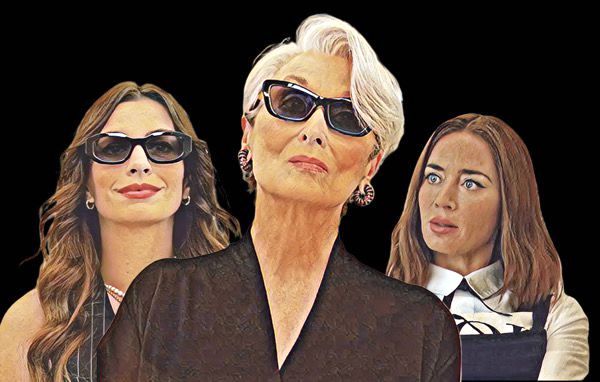
In 2006, Andy Sachs had to choose between her career and the woman she feared becoming. Today, we might view her journey through different questions. Miranda remains fascinating because she is brilliant, powerful, and cruel, but our contemporary admiration for difficult women should not eliminate the discussion about the structures they reproduce. The sequel’s challenge will be to allow Miranda to remain Miranda without treating her professional brutality merely as a succession of amusing lines and magnificent clothes.
With Practical Magic, the nostalgia is even more intimate. The 1998 film was not an immediate critical or box-office phenomenon. Its true life began later, on television, VHS, DVD, and through the countless reruns that transformed it into a cult object. It passed from one viewer to another almost like an emotional inheritance. Many women did not merely watch the film. They grew up with it.
The story of the Owens sisters has also acquired new meanings over time. Behind the comforting aesthetic, the candles, and the dream house, there was always a narrative about domestic violence, fear, guilt, independence, and a lineage of women punished for being considered different. Sally tries to build a normal life because she believes normality will protect her. Gillian turns freedom into escape. Both eventually discover that they will not survive alone, but also that the community that once judged the Owens women may help them after finally recognizing the danger before them.
That is why reducing Practical Magic to a collection of visual references would betray what allowed the film to endure. Fans want to revisit the house, the garden, and the aunts, but the setting only matters because it once represented the possibility of living outside the rules. The magic was never only in the spells. It was in the idea that women considered strange, excessive, or inappropriate could create their own place of safety.
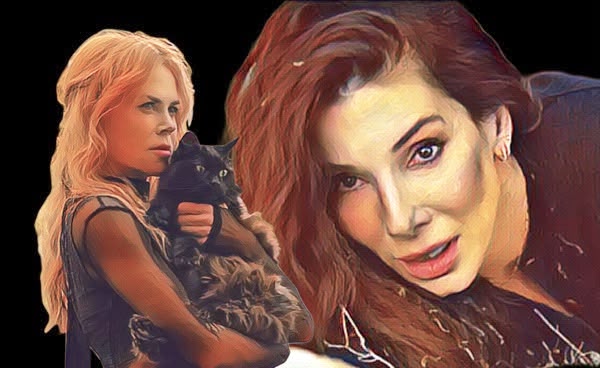
Hollywood has, of course, understood the commercial value of that bond. For decades, studios pursued youth as though mature women disappeared culturally after a certain age. Now they have discovered that those same women form a loyal, emotionally invested audience willing to pay to revisit stories that shaped them. The progress is relative because, instead of creating many new narratives for these women, the industry frequently prefers to return carefully packaged versions of their youth.
Nostalgia works because it offers immediate recognition. There is no need to introduce characters, build a universe, or persuade the audience to care. The affection already exists. Sandra Bullock and Nicole Kidman do not need to explain who Sally and Gillian are. The simple act of bringing them together again already carries almost three decades of emotional memory.
But that is also the danger. A sequel cannot be merely a museum in which the characters enter to repeat familiar gestures. Sally and Gillian have aged. Their daughters have grown up. The women who loved the first film have also faced losses, transformations, difficult relationships, and the realization that no spell can prevent time from passing. If the new film understands this, it can speak about inheritance, aging, motherhood, sisterhood, and what we pass on to the women who come after us.
If it does not, we will be left with the house, the candles, the costumes, and the momentary pleasure of recognizing every reference. It may be enjoyable and perhaps even moving, but it will not necessarily be magical.
Fans are not returning only to discover what happened to the Owens sisters. They want to find the women they were when they first believed that house existed somewhere. Hollywood can rebuild the set, reunite the cast, and play the right music again. What it cannot do is return anyone’s youth.
Perhaps the true magic of Practical Magic 2 will lie precisely in not trying.
Descubra mais sobre
Assine para receber nossas notícias mais recentes por e-mail.

